

Most ambient scenting programs fail for one boring reason: nobody measures acceptance like a safety KPI. Here’s how to run low-allergen scenting in offices and hospitals without walking into an HR, ADA, or clinical backlash cycle.

“Natural-style” hair scents aren’t automatically safer—they’re just marketed that way. Here’s how pros build citrus/herbal/woody profiles that survive allergen rules, avoid obvious irritants, and still smell premium.

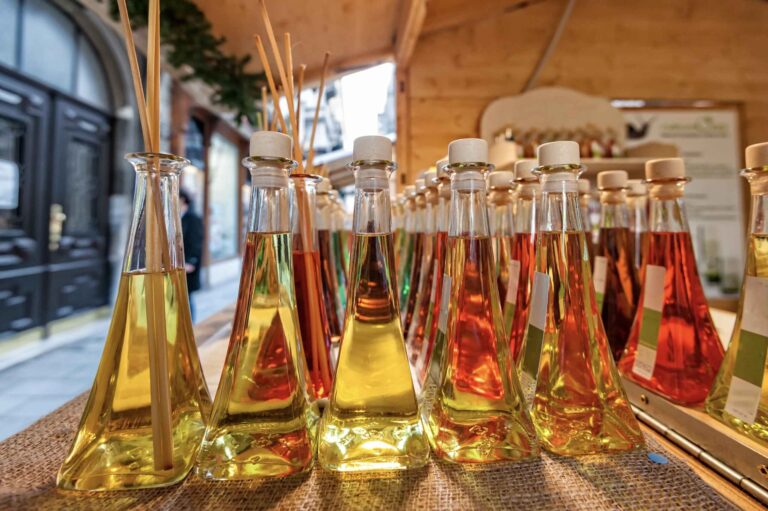
Hotels don’t “add scent.” They run a chemical, brand, and operations program—whether they admit it or not. Here’s how to design it around the guest journey without triggering complaints, residue, or regulatory headaches.

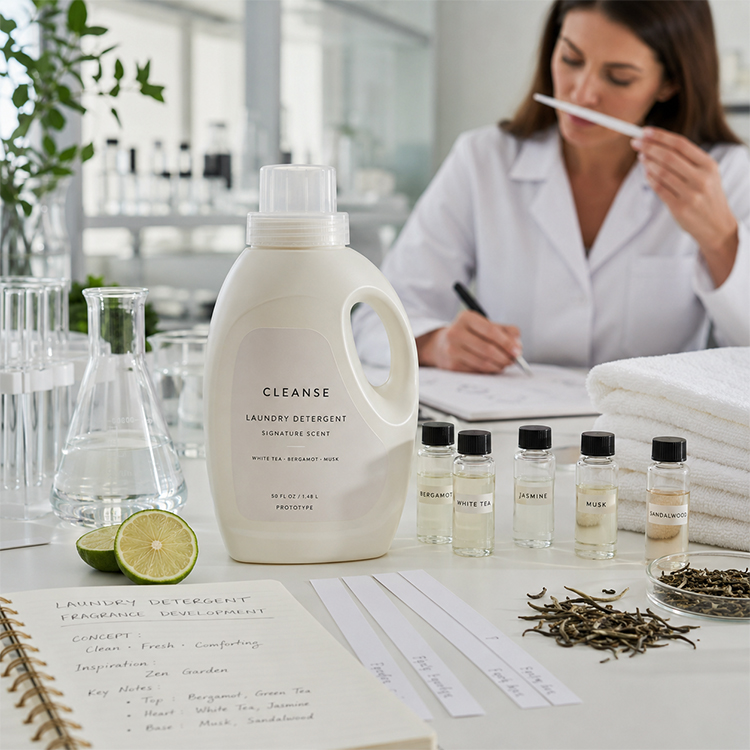
Remote fragrance development works—if you treat it like a lab protocol, not a vibes-based DM thread. Here’s how we force clarity in sampling, evaluation, panel testing, and stability so the factory can’t “interpret” your intent.

Oils and foam fight. This post shows how to make them coexist—using the right solubilizer/emulsifier choices, dosing math, and compliance reality checks.

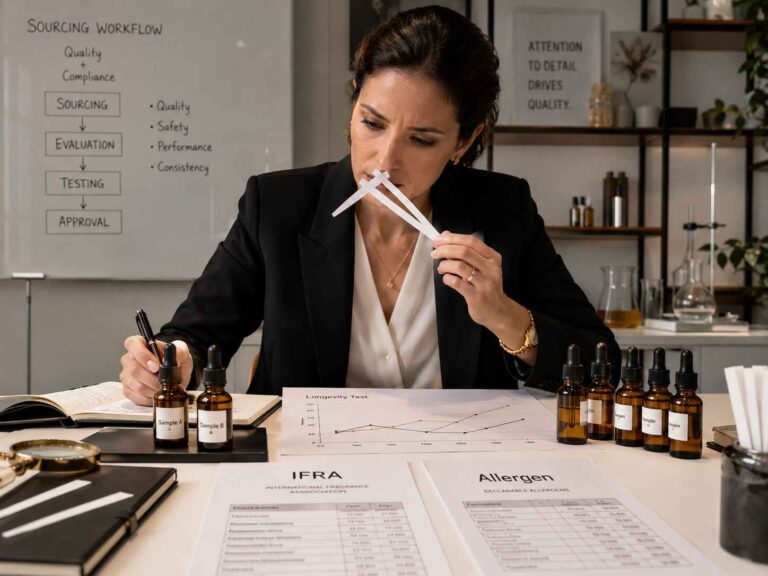
Most “natural vs synthetic” debates are marketing theater. Here’s how sourcing reality, IFRA paperwork, and product chemistry decide what you should buy—and why.

signature scent” fails when it can’t survive procurement, reformulation, or scale. This piece lays out the hard standards that make an olfactory identity repeatable.