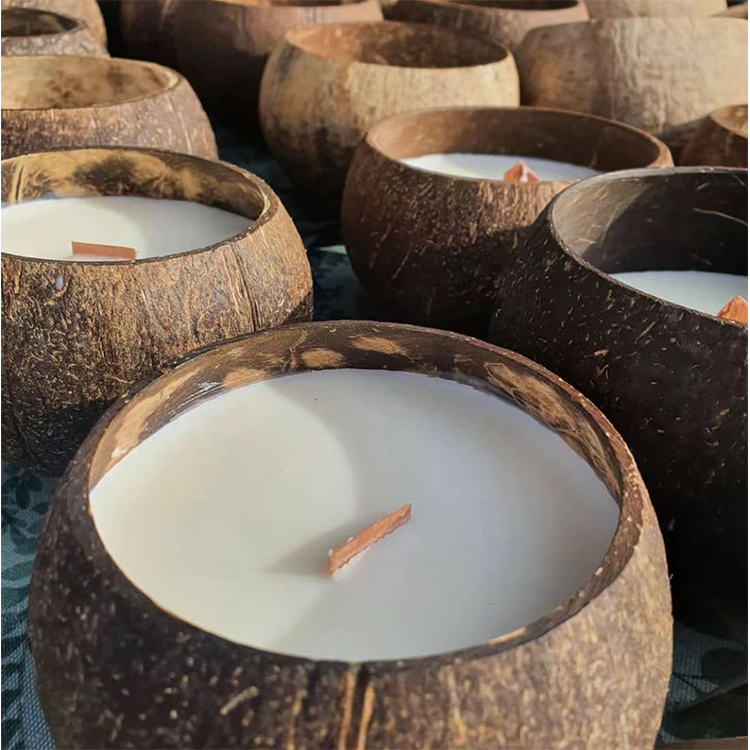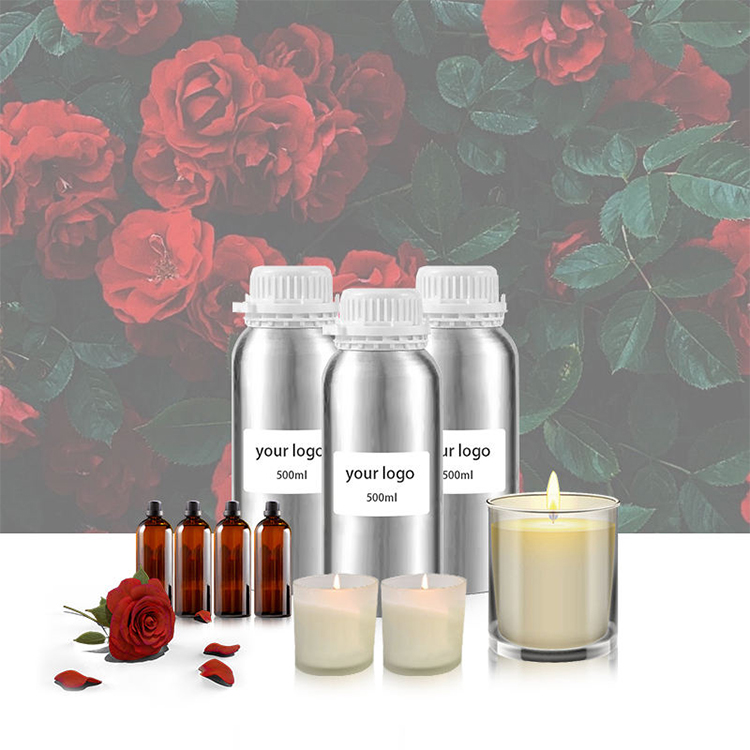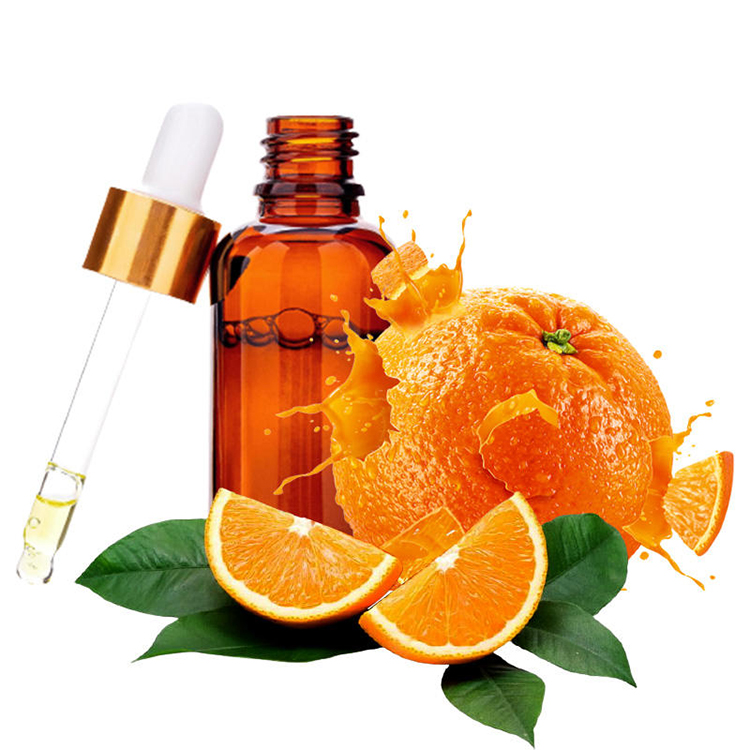


Oud Fragrance Oil can make a fragrance odor expensive, or subject a weak supply chain in 5 seconds. This overview clarifies exactly how specialist customers must judge costs oud perfume oil, agarwood fragrance oil, oud attar, and oud oil for fragrance making before putting a mass order.

Emerging scent brand names do not fall short since they chose the incorrect vanilla note. They fail since they select a fragrance oil maker without screening, documents, security discipline, allergen presence, or a real path from sample to mass production.

Most custom fragrance oil projects do not fail because the scent is bad. They fail because the brief is vague, the base is ignored, compliance is treated as decoration, and bulk production exposes every lazy decision made during sampling.

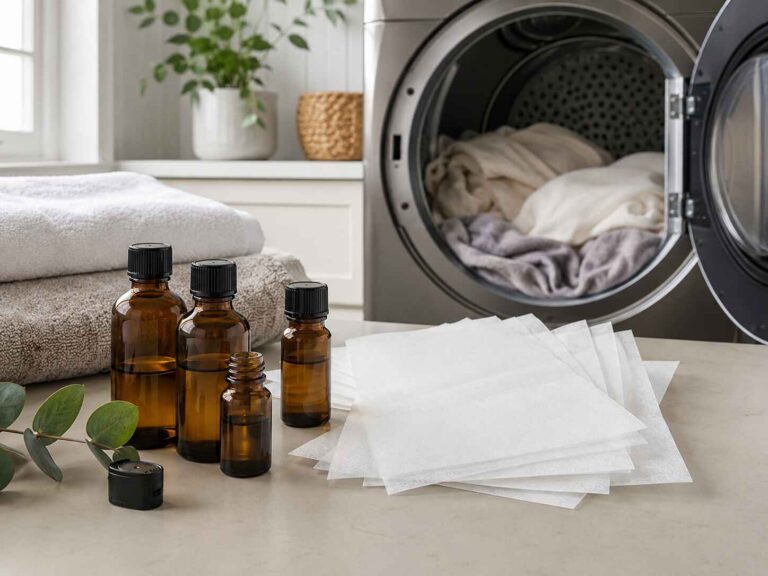
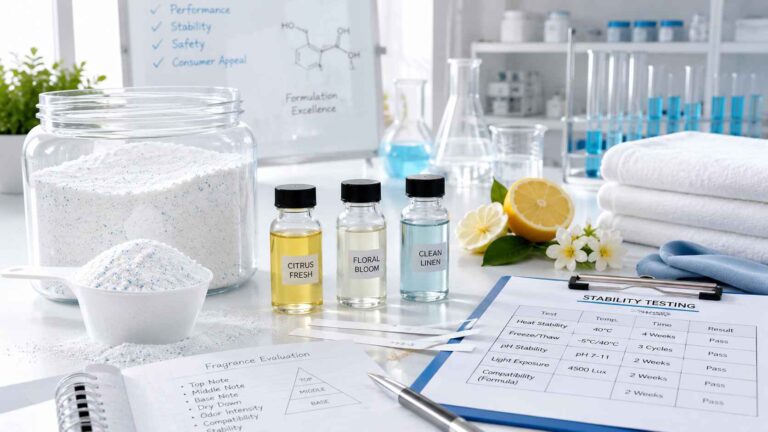
A detergent fragrance is not decoration. It is a retention device, a compliance risk, a cost line, and often the only reason a buyer remembers a new laundry brand after the first wash.

Fragrance trends in 2026 are not just about prettier notes. Beauty and personal care brands are facing a sharper market: younger consumers want scent wardrobes, regulatory pressure is rising, body mists are eating into old perfume logic, and “clean” now has to survive both label scrutiny and real formulation testing.

Designer motivated perfume oil can be successful, yet only when buyers comprehend formulation top quality, trademark limits, conformity documents, provider oils, and efficiency screening. Right here is the blunt purchaser's guide most suppliers will not offer.

An obstinate guide for brands sourcing from a scent oil manufacturing facility, covering conformity documents, set consistency, MOQ technique, IFRA documents, allergen rules, rates risk, and the vendor actions that separate an actual production partner from an aromatic middleman.