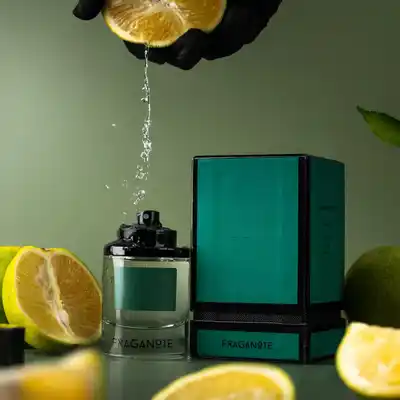
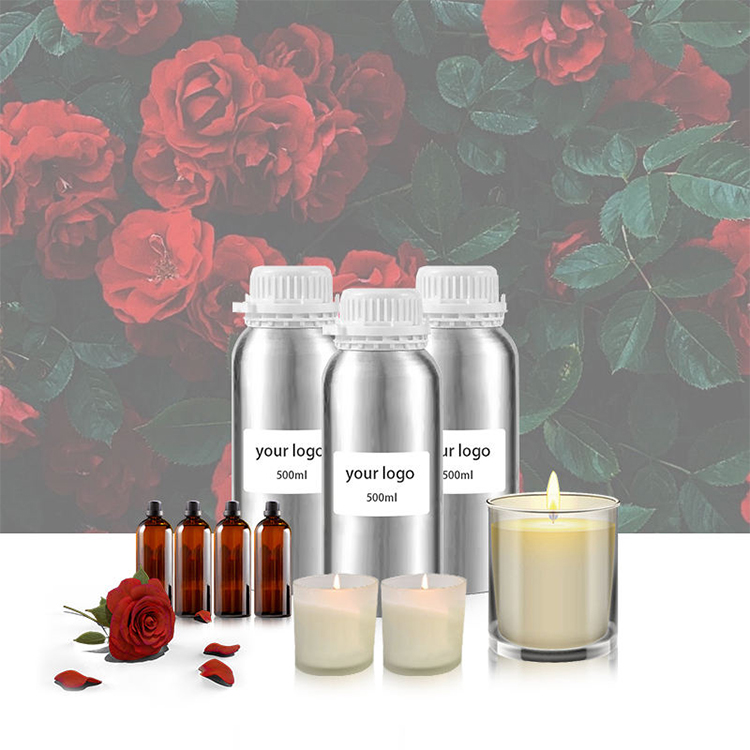
As leading fragrance oils manufacturers and leading perfume oil vendors, we provide an one-of-a-kind chance to represent our huge profile of top notch, market-proven scents in your region. Allow’s record the marketplace and grow with each other.
Exclusive Supplier PricingAccessibility pricing straight from our
fragrance oil factory, positioning you as a competitive direct distributor for wholesale fragrance oils in your market and ensuring high profit margins.
Vast & Proven Product PortfolioDeal your clients over 40,000 formulas, from popular designer perfume oils and abundant Arabian fragrance oil to powerful fragrance concentrates for every application.
Dedicated Marketing & Sales SupportWe empower your success with comprehensive product magazines, technical information sheets, top notch advertising and marketing assets, and product samples to aid you secure deals.
Reliable & Rapid Supply ChainBenefit from our quick 3-7 day lead times, backed by our steady supply chain as a direct perfume resources supplier. We skillfully manage our inventory of basic materials for fragrance manufacturing to guarantee you can fulfill client needs immediately.