

I do not buy “halal-ready” as a sales phrase. I buy documents, traceability, and market access. This checklist shows fragrance buyers how to vet GCC suppliers before a formula becomes a customs problem, a retailer rejection, or a regulatory headache.

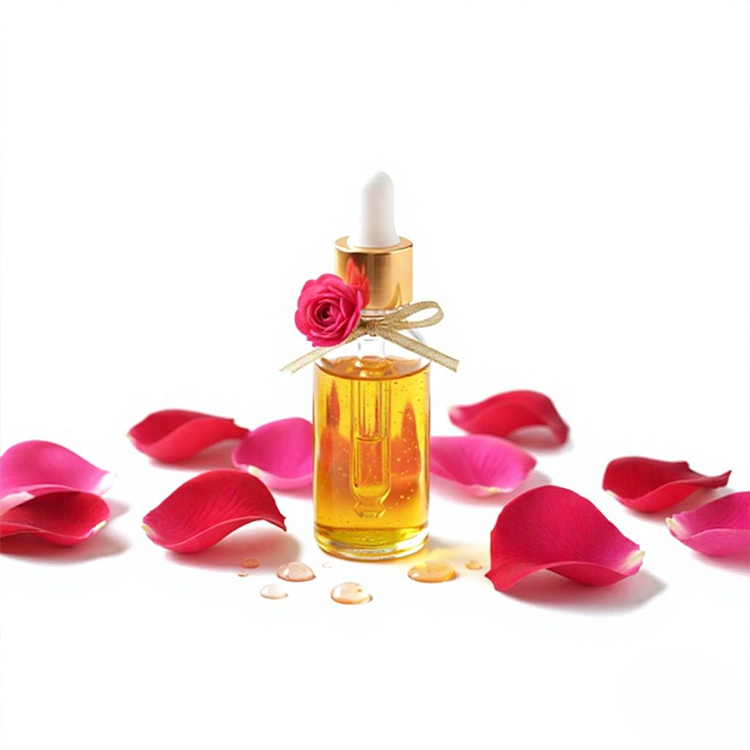
Alcohol-free perfume is not a soft-focus wellness trend. It is a technical format with different diffusion, stability, allergen, and market-fit rules. Here is how perfume oil formulation actually works, and why most brands get fragrance selection wrong.

I’ve seen too many brands blame the fragrance when the real failure sat in a warm warehouse, a wet filling line, or a jar package that invited fingers and air. Here’s the hard truth on cosmetic microbiological safety, cosmetic shelf life and contamination, and how serious operators prevent spoilage before it becomes a recall.

Most haircare brands do not have a true hero scent. They have a naming convention. This piece explains how to standardize one olfactive identity across incompatible bases, what real brands get right, and where fragrance strategy usually breaks.

I’ve seen brands blame the formula when the bottle was the real saboteur. Plastic packaging odor, scent contamination from plastic packaging, and weak compatibility testing are still wrecking finished fragrance far too often. Here’s what actually causes the damage, what recent research says, and what to test before you fill one more unit.

Most room spray failures are not fragrance failures. They are solvent failures, compliance failures, and residue failures. Here is the blunt version of what actually matters.

Most eco cleaning brands do not lose the scent battle because they lack creativity. They lose because they confuse “clean” with “more lemon,” ignore VOC math until late-stage reformulation, and treat compliance like paperwork instead of product design.