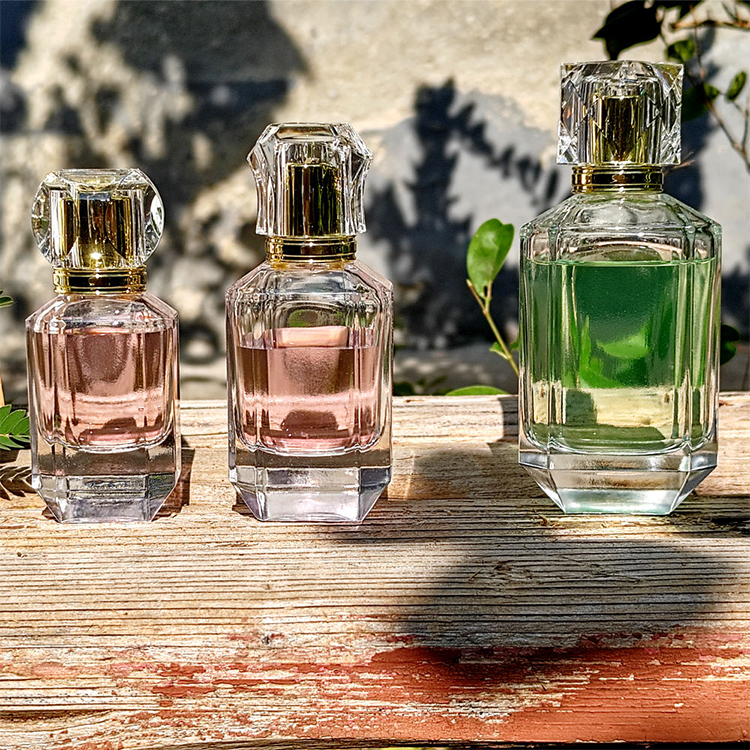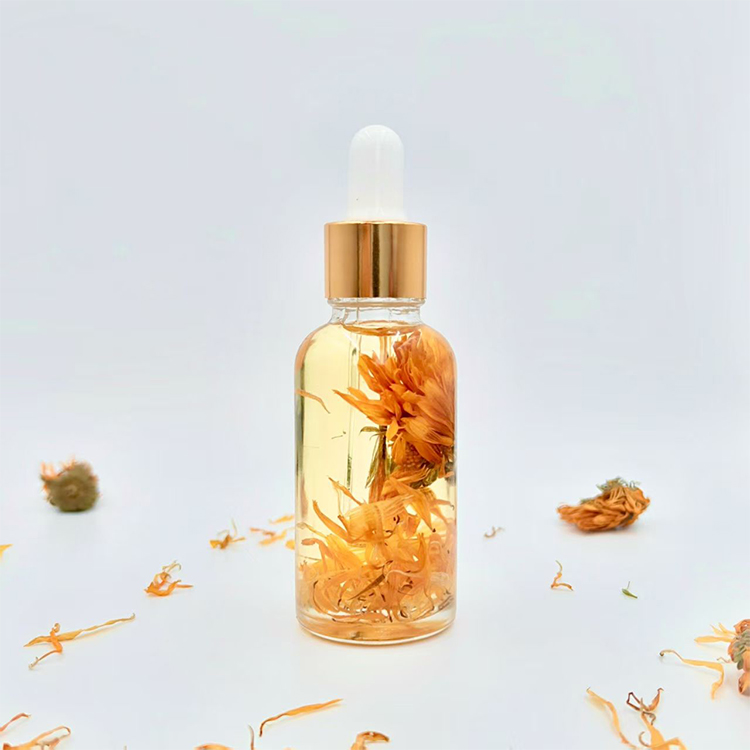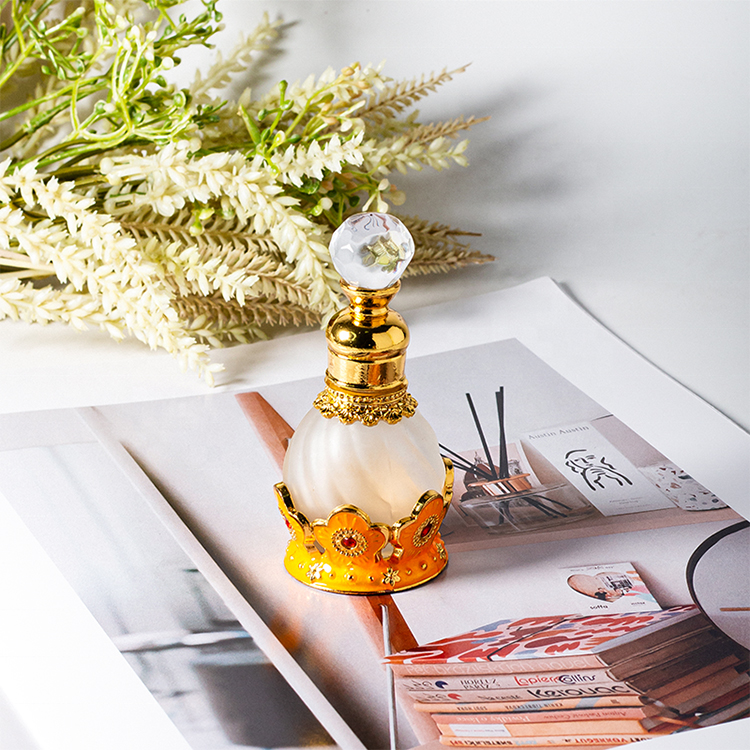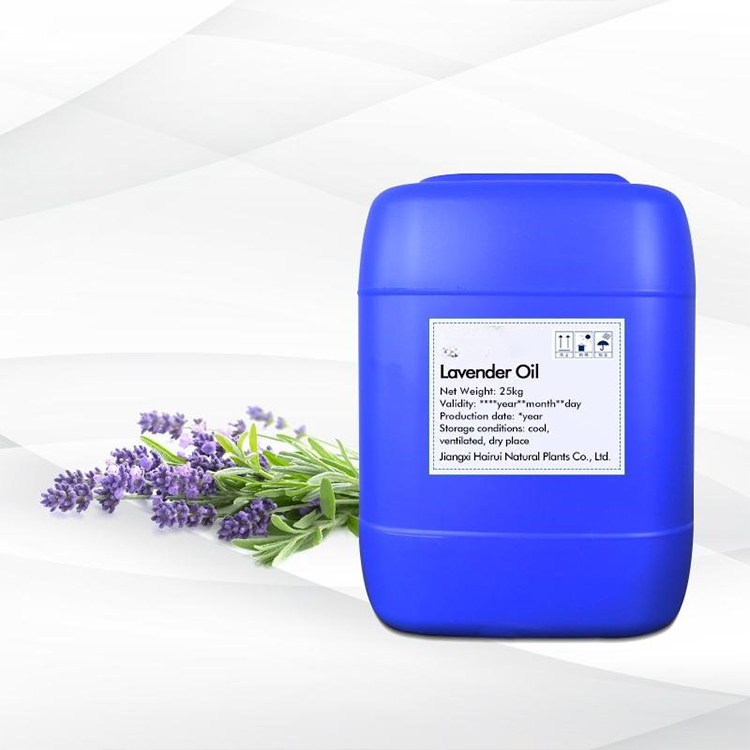


Most bespoke toiletries programs fail for a boring reason: the lobby scent and the bottle scent do not survive the same chemistry, packaging, or daily use. This piece argues that brand consistency is not a perfume idea but an operations standard.

Jasmine and neroli do not travel as a single commercial idea. This piece breaks down how white floral preference shifts across GCC, East Asia, the U.S., and Europe—and what smart fragrance briefs do about it.

Most air care copy blurs three different jobs into one promise. This piece separates deodorization, masking, and “freshness” design the way formulators and buyers actually should.

Most “natural” scent talk in haircare is marketing perfume sprayed over chemistry problems. This piece explains which citrus, herbal, and woody combinations actually lower risk, hold performance, and survive modern compliance scrutiny.

Hotels love to talk about details. Fair enough. But one detail gets judged faster than almost anything else: how the linen smells. Not the blast you get in the laundry room. Not the perfume hit right after a cycle ends.…

Longevity and sillage are engineering problems hiding under marketing copy. Here’s how to hit targets using the boring stuff—materials, ratios, carriers, and test discipline.

Most “car air freshener oil” fails because brands ignore cabin heat, UV, and plastic stress-cracking. This checklist shows what to test, what to avoid, and what “heat resistant” actually means in a vehicle.