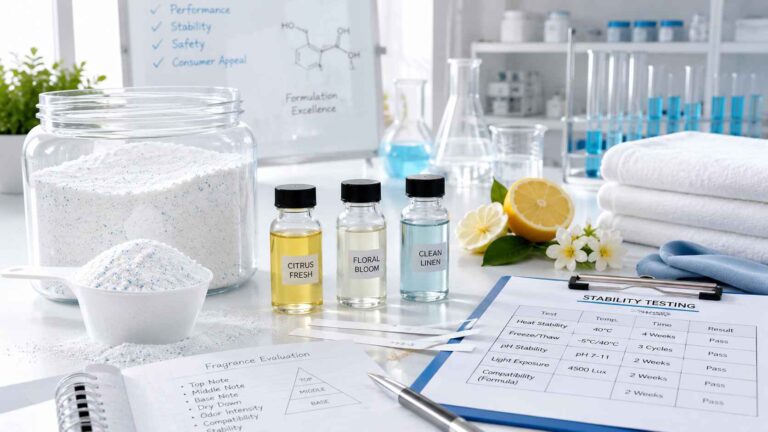
Custom Fragrance Oil Development: From Brief to Bulk Production
Most custom fragrance oil projects do not fail because the scent is bad. They fail because the brief is vague, the base is ignored, compliance is treated as decoration, and bulk production exposes every lazy decision made during sampling.
The Brief Is Where Good Fragrance Projects Either Grow Teeth or Die Quietly
Most buyers start in the wrong place.
They ask, “Can you make this smell expensive?” Then they attach a famous perfume name, a mood board, and a target price that would barely cover the solvent system. I have seen that pattern too many times in supplier conversations: the buyer thinks they are asking for creativity, but what they actually send is a manufacturing risk disguised as inspiration.
Hard truth: Custom Fragrance Oil Development is not scent shopping. It is industrial translation.
A good brief converts brand intent into measurable formulation limits: application base, market, dosage, allergen threshold, volatility curve, discoloration risk, IFRA category, flash point, solvent preference, MOQ, packaging material, timeline, and target cost per kilogram. Miss one of those, and your “signature scent” may collapse in soap, fade in detergent, cloud in diffuser oil, or become illegal to sell in one of your target markets.
Smell is seductive. Production is not.
And that is the uncomfortable part, isn’t it?
If you want a practical benchmark for how a serious supplier frames the work, study an OEM/ODM fragrance oil manufacturing process that separates consultation, development, sampling, approval, mass production, quality control, and delivery. That structure matters because fragrance formulation services are not just about top notes and compliments. They are about repeatability.
Why the Market Is Hot, and Why That Makes Supplier Selection More Dangerous
Fragrance demand is not soft right now. Reuters reported that Givaudan’s 2024 sales beat expectations, with Fragrance & Beauty growing 14.1% and total group sales reaching 7.41 billion Swiss francs. That is not a cute lifestyle trend. That is industrial pressure moving through raw materials, compounding capacity, sampling speed, and buyer behavior.
The ugly side of growth is this: when demand rises, weak suppliers become louder.
They promise “same as original,” “100% natural,” “IFRA safe,” “luxury grade,” and “long lasting” without showing the boring documents that actually matter. The boring documents are where the truth lives: IFRA certificate, COA, SDS/MSDS, allergen declaration, batch number, production date, recommended use level, restricted materials, solvent carrier, and stability guidance.
The FDA’s MoCRA page makes one thing plain for cosmetic brands selling into the U.S.: fragrance allergen labeling and cosmetic GMP expectations are moving from “nice to have” into operational reality. The FDA has also stated on its Fragrances in Cosmetics page that fragrance ingredients can be declared under “fragrance” or “flavor,” but consumer sensitivity and manufacturer responsibility remain real commercial risks.
So no, the cheapest oil is not cheap.
It is deferred liability with a pleasant top note.
Table of Contents
From Idea to Formula: What Actually Happens in Custom Scent Development
A proper custom scent development process begins with constraints, not poetry. I know that sounds unromantic. Good. Romance does not survive a failed 45°C stability test.
A qualified custom fragrance oil manufacturer should ask where the oil will be used before they ask what it should smell like. Fine fragrance, shampoo, laundry detergent, hotel diffusion, candle wax, cold process soap, body lotion, reed diffuser, and car air freshener are different technical worlds. A formula that performs beautifully in ethanol can misbehave in surfactants. A musk-heavy profile that feels creamy in body cream may go flat in detergent. A citrus accord with D-limonene, CAS 5989-27-5, may smell bright at day one and oxidize poorly if the system, antioxidant strategy, and packaging are weak.
The buyer defines market, audience, price band, olfactive direction, claim boundaries, and benchmark products. This is where you decide whether the fragrance should smell mass-premium, niche, hotel-clean, baby-soft, detergent-fresh, gourmand, oud-rich, or skin-musk minimal.
But the brief must include numbers. Use level: 0.2%, 0.5%, 1%, 3%, 8%, or 20% changes everything. Target cost: $12/kg is not $60/kg. MOQ: 5 kg is not 500 kg. Market: EU is not GCC is not U.S. Amazon private label is not a spa hotel chain.
Step 2: The Technical Brief
This is where I become annoying, because this is where lazy projects deserve to be killed.
The technical brief should include application base, pH, surfactant type, solvent system, heating process, fill temperature, packaging material, expected shelf life, color limits, allergen restrictions, vegan or halal requirements, and prohibited substances. If you are developing a private label fragrance oil for cosmetics, you should also ask for documentation alignment before sample approval, not after bulk order payment.
Linalool, C10H18O, and limonene, C10H16, are common fragrance materials. They are also part of the allergy conversation because oxidation products can become more sensitizing. A PubMed-listed study on contact allergy to oxidized linalool and oxidized limonene is a useful reminder: “natural-smelling” does not mean risk-free.
Step 3: Lab Creation and First Samples
A serious lab does not send one miracle sample and call it a day. It sends options. Usually three to five directions make sense: one close to brief, one more commercial, one more premium, one cost-controlled, and one wild card if the brand can tolerate risk.
This is where GC-MS can help when the target is a designer-inspired accord, but buyers need to stop worshipping GC-MS like it is a perfumer. It identifies components. It does not understand brand position, diffusion, emotional texture, or how a base will distort the drydown.
Step 4: Application Testing
Blotter approval is not approval.
Let me say that again because buyers keep paying tuition on this mistake: blotter approval is not approval. The fragrance must be tested in the real base at the real dosage under real storage conditions. For personal care, check odor stability, color shift, pH impact, viscosity change, preservative compatibility, and skin-safety documentation. For home care, check malodor coverage, foam behavior, surfactant compatibility, and dry fabric retention. For air care, check solvent clarity, evaporation rate, reed performance, and room diffusion.
Step 5: Compliance Review
The IFRA Standards exist because dose, product type, exposure route, and ingredient restriction are not optional details. IFRA compliance is not a sticker for a website footer. It is a formula-use relationship.
That means a fragrance oil may be acceptable at one level in a rinse-off shampoo and restricted at another level in a leave-on body cream. The same scent direction can require different versions for IFRA Category 4 fine fragrance, Category 5 body products, Category 9 rinse-off products, Category 10 household products, or Category 12 candles and air care.
Step 6: Pilot Batch and Bulk Fragrance Oil Production
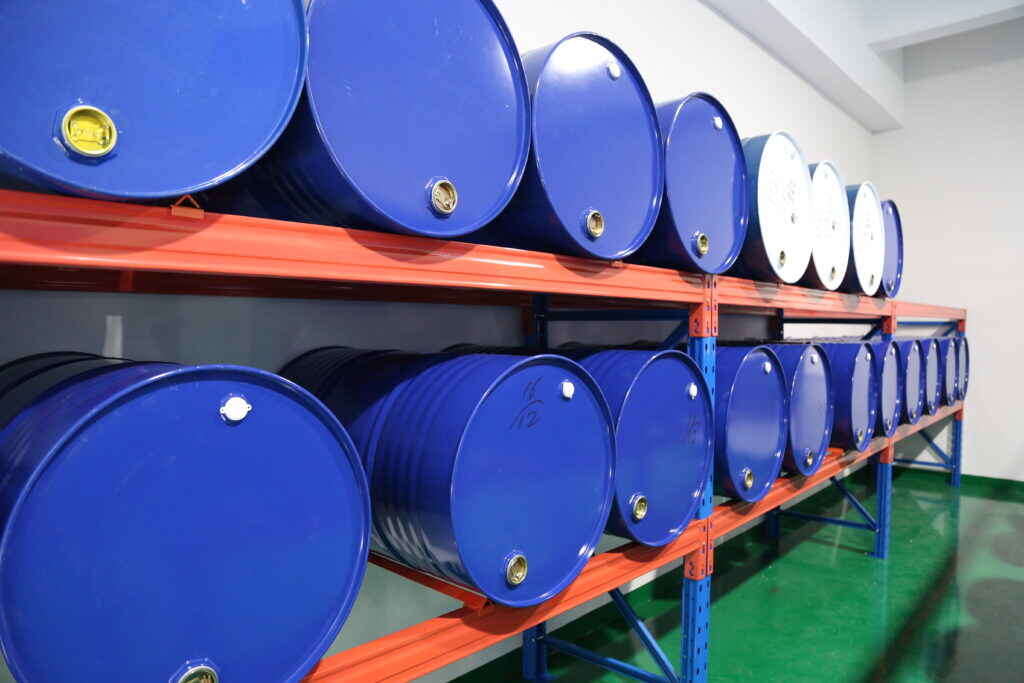
The pilot batch catches what the lab missed. Viscosity, filtration, raw material substitution, color, odor drift, filling behavior, and batch-to-batch consistency can all shift when a 50 g lab formula becomes 25 kg, 100 kg, or 1,000 kg.
A supplier that claims bulk fragrance oil production is simple is either inexperienced or hiding the complexity from you. Both are bad.
The better suppliers talk about ERP traceability, retained samples, batch coding, QC checkpoints, production lead time, and corrective action if the first bulk batch does not match the approved standard. On the I’SCENT site, the stated service model mentions 1–3 day sampling, 3–7 day mass production, 5 kg MOQ for existing formulas, and 25 kg MOQ for customization. That is useful, but I would still ask for written confirmation per project because formula complexity and raw material availability can change the answer.
The Brief-to-Bulk Production Table Buyers Should Use Before Paying a Deposit
Documents arrive after formula lock and force reformulation
Compliance belongs before romance
Pilot batch
Small production batch, retained standard, QC comparison
Lab formula changes character in scale-up
This is where weak factories get exposed
Bulk production
Batch coding, ERP traceability, lead time, packaging compatibility
Odor drift, color shift, leakage, delayed shipment
Price per kg means nothing without repeatability
Raw Materials: The Natural-vs-Synthetic Lie Buyers Keep Falling For
“Natural” is one of the most abused words in fragrance.
I do not say that because natural oils are bad. Some are beautiful. Bergamot, patchouli, cedarwood, vetiver, lavender, rose, and citrus fractions can give a formula texture that cheap aroma chemicals cannot fake. But natural raw materials vary by harvest, geography, oxidation, storage, pesticide residue, allergen load, and price volatility.
Synthetic materials are not automatically dirty. Many are cleaner, more consistent, more stable, and easier to control at scale. Hedione, Iso E Super-type materials, musks, aldehydes, ambers, lactones, ionones, and modern captive-style substitutes are the architecture behind most marketable fragrances.
So when a supplier gives you a lecture about “pure natural fragrance oil,” ask for the formula logic. Ask what happens at 40°C. Ask whether the citrus top survives 90 days. Ask whether vanillin, C8H8O3, will discolor your soap. Ask whether benzyl salicylate, CAS 118-58-1, appears in the allergen declaration. Ask whether the oil is suitable for your base at your exact dosage.
What a Real Custom Fragrance Oil Manufacturer Should Prove
A custom fragrance oil manufacturer should prove five things before you trust them with bulk production.
First, technical range. Can they build for fine fragrance, personal care, home care, air care, and specialty bases? Or are they just reselling catalog oils with new names?
Second, documentation discipline. Can they provide IFRA, COA, SDS/MSDS, allergen declarations, and batch records without acting offended?
Third, application testing. Can they test in shampoo, lotion, candle wax, detergent, reed diffuser solvent, or your actual base?
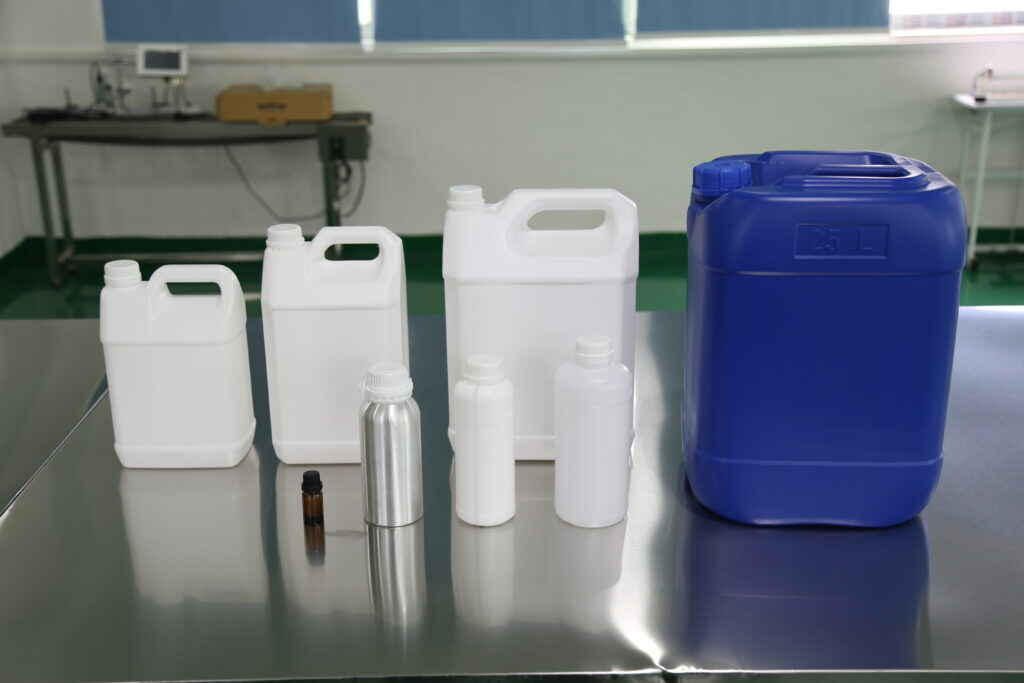
Fourth, scale. Can they move from 10 ml sample to 25 kg custom batch to 500 kg repeat order without scent drift?
Fifth, commercial honesty. Can they say “no” when your requested note, dosage, price, and market rules do not fit together?
That last one matters most.
A supplier who agrees to everything is not a partner. They are a delay with a WhatsApp number.
For buyers who want proof beyond sales claims, reviewing fragrance oil project cases is a sensible step. Case pages are never perfect evidence, but they show whether the supplier understands applications such as detergent fragrance, hotel scenting, designer-inspired perfume oil, and high-volume home care supply.
The Compliance Problem Nobody Wants to Put in the Sales Deck
Fragrance compliance is irritating because it slows people down. It also saves money.
The professional buyer should care about IFRA restrictions, EU allergen expectations, U.S. MoCRA direction, California ingredient restrictions, SDS transport classification, flash point, and customer sensitivity complaints. The FDA allergen page for cosmetics lists fragrances among common allergen classes found in cosmetic products. That does not mean fragrance is bad. It means fragrance needs adult supervision.
This is where I get opinionated: many private label fragrance oil buyers are under-regulated in their own heads. They think the supplier handles everything. Then a distributor asks for an allergen declaration, a marketplace requests documentation, a customer complains about irritation, or a retailer asks whether the oil contains banned substances.
Suddenly, the “cheap” supplier becomes very expensive.
For a serious fragrance development process, require documents during the sample phase. Not after approval. Not after purchase order. Not after the product is already filled in 30,000 units of packaging.
Cost, MOQ, and the Production Math Nobody Posts on Instagram
Bulk fragrance oil production pricing depends on raw materials, concentration, complexity, solvent system, compliance limits, order volume, and supply volatility. Oud-style accords, musks, sandalwood effects, amber woods, lactonic gourmand notes, and natural citrus fractions can move cost sharply. A formula using premium naturals or restricted specialty materials will not price like a detergent freshener.
Here is the unpopular part: a low MOQ is useful, but it is not always the best economic choice.
A 5 kg library formula can help you test fast. A 25 kg custom fragrance oil can give you ownership of direction. A 100 kg repeat order may improve unit economics. A 500 kg run may create better production planning, but it also increases risk if your application testing was weak.
Do not ask only, “What is your MOQ?”
Ask this instead:
Can I buy a 10 ml or 30 ml sample first?
Can I test in my base before formula lock?
What is the MOQ for library fragrance oil versus custom formulation?
What is the price break at 25 kg, 100 kg, and 500 kg?
Will the formula remain unchanged on repeat order?
What substitutions are allowed if a raw material is short?
Can you provide a retained batch standard?
Can you support private label fragrance oil documentation for my target market?
That is how adults buy fragrance.
Common Failure Points From Brief to Bulk
The first failure is emotional sampling. The buyer chooses the sample that smells best in the meeting, not the one that performs in the product.
The second failure is ignoring the base. A fragrance oil has to behave inside surfactants, wax, alcohol, carrier oil, emulsion, gel, or porous sticks. The base is not a passive container. It is a chemical environment.
The third failure is underestimating oxidation. Limonene and linalool are not villains, but oxidation chemistry is real. Air, light, heat, headspace, and packaging all affect fragrance stability.
The fourth failure is weak QC. If your supplier cannot define the approved standard, batch acceptance criteria, and retained sample process, your repeat orders are just trust exercises.
The fifth failure is false luxury. Some buyers confuse heavy amber, ethyl maltol sweetness, and aggressive musk with quality. Consumers may like impact, but professional buyers need balance, diffusion, longevity, compliance, and base compatibility.
FAQs
What is Custom Fragrance Oil Development?
Custom Fragrance Oil Development is the controlled process of turning a brand brief into a production-ready scent formula that performs in a specific product base, meets cost targets, follows IFRA and market documentation requirements, and can be repeated consistently from lab sample to bulk manufacturing batch. It includes creative perfumery, technical testing, compliance review, sample refinement, pilot production, and final bulk fragrance oil production.
How long does the fragrance development process take?
The fragrance development process usually takes several days to several weeks depending on scent complexity, application base, testing requirements, documentation needs, buyer feedback speed, raw material availability, and whether the supplier is adapting an existing formula or building a custom fragrance oil from scratch. A fast supplier may create first lab samples in 1–3 days, but real approval should include application testing before bulk production.
What should I include in a custom fragrance oil brief?
A custom fragrance oil brief should define the product application, target customer, scent direction, benchmark references, use level, price target, market region, compliance needs, packaging material, color restrictions, performance expectations, MOQ, and launch timeline so the fragrance formulation team can design for production, not just smell. The more specific the brief, the fewer expensive revisions you will face later.
How do I choose a custom fragrance oil manufacturer?
A custom fragrance oil manufacturer should be chosen by verifying formulation ability, application testing, IFRA documentation, COA and SDS/MSDS support, batch traceability, MOQ flexibility, sample speed, production capacity, and willingness to challenge unrealistic buyer requests before money changes hands. The best supplier is not the cheapest quote; it is the one that prevents expensive failure during scale-up.
Is private label fragrance oil the same as custom fragrance oil?
Private label fragrance oil is usually an existing or lightly modified scent supplied under a buyer’s brand, while custom fragrance oil is built or significantly adjusted around a unique brief, target base, performance need, and compliance profile. Private label can be faster and cheaper, but custom development gives stronger differentiation when the buyer needs a signature scent or technical fit.
Your Next Step: Stop Buying a Scent, Start Buying a Production System
If you are serious about Custom Fragrance Oil Development, do not start by asking for “something similar” and a low price per kilogram. Start with a complete brief, a real product base, a target market, a documentation checklist, and a supplier who can explain how the formula will survive from sample vial to bulk production.
Use the first conversation to test the manufacturer.
Ask for the process. Ask for the documents. Ask for the MOQ split between catalog and custom work. Ask for application testing. Ask what can go wrong. A serious partner will answer directly; a weak one will keep selling romance.
Ready to move from idea to tested formula? Contact I’SCENT through the customized fragrance perfume service page and send a real brief: application, dosage, market, scent direction, benchmark, cost target, MOQ, and launch date. That is how a scent becomes a product instead of an expensive sample drawer.
Our team of 20+ senior perfumers leverages a vast library of 40,000+ formulas to deliver expert customization and scent replication with up to 98% accuracy. As premier perfume oil manufacturers, we bring your most complex fragrance concepts to life with precision.
Industry-Leading Speed
We empower your business with industry-leading speed. Samples are ready in just 1-3 days, mass production takes only 3-7 days, and our low 5kg MOQ allows you to test the market quickly and without risk, solidifying our role as agile fragrance oil suppliers.
Certified Quality & System Assurance
Our quality is built on trust and technology. We are fully certified with IFRA, ISO, GMP, and Halal, and our advanced ERP system guarantees complete traceability and batch-to-batch consistency, making us your reliable perfume raw materials supplier.