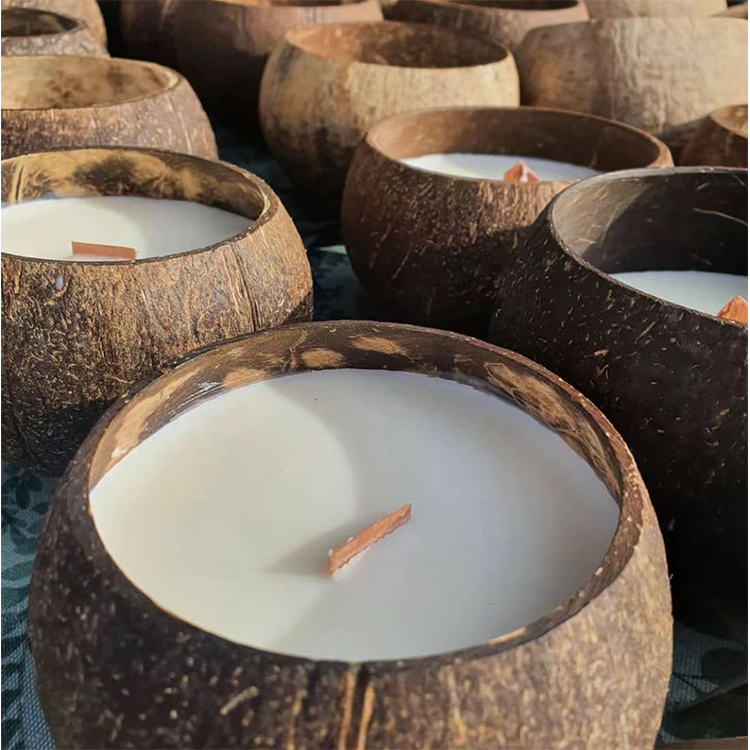


Most candle advice is soft. This one is not. We’ll cover how fragrance oils for candles actually behave in wax, why weak scent throw usually starts with bad formulation logic, and what recalls, compliance, and raw-material politics mean for your next batch.

Most fragrance failures are not perfume failures. They are testing failures. Here’s how I evaluate fragrance oil throw, cold throw and hot throw, reed diffuser output, oil load, oxidation risk, and compliance pressure before a formula embarrasses a brand in the market.

Fragrance is not decoration. In cosmetics and detergents, it is a regulated chemical system that can trigger relabeling, recalls, complaint risk, and margin pain

Most fragrance oil problems are not creative problems. They are control problems. This article breaks down the most common failures in fragrance oil manufacturing and shows how to fix them with tighter sourcing, harder stability testing, better release specs, and less wishful thinking.

Most fragrance content on the internet is perfume theater. This piece explains the real fragrance oil production process behind distillation, extraction, and synthesis, with legal pressure, raw numbers, and the manufacturing questions serious buyers should ask before approving a formula.

Fragrance in cleaners is not decoration. It shapes the consumer’s idea of “clean,” affects repeat purchase, and can also trigger stability failures, VOC headaches, labeling issues, and needless cost. Here is the blunt version of what works.

Most teams choose scent like consumers and pay for it like manufacturers. This piece explains how I select fragrance oils for cosmetics by product class, IFRA fit, allergen exposure, oxidation risk, packaging interaction, and real-world base performance.