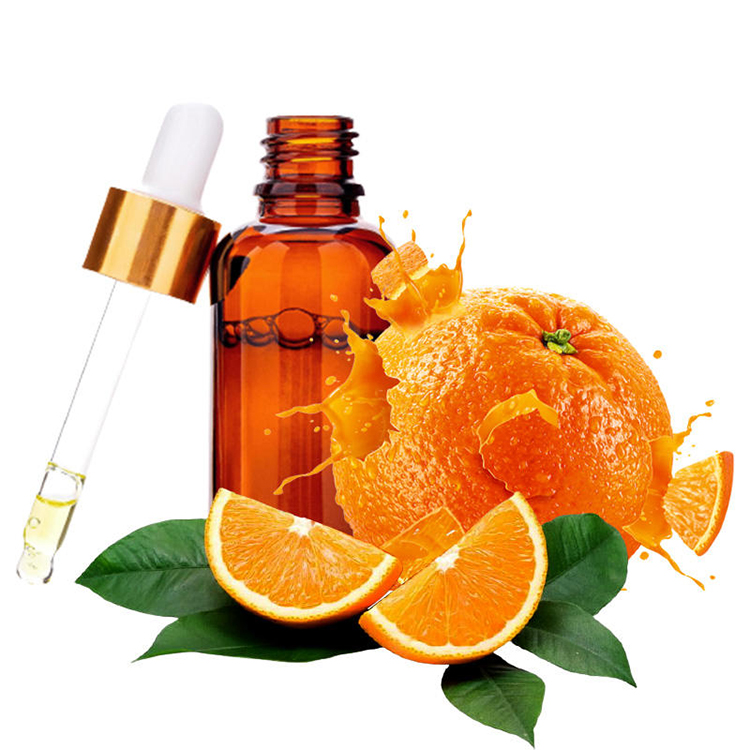
Most scent layering advice is too pretty to be useful. This guide cuts through the romance and shows how professional fragrance oil blend profiles are designed, tested, regulated, and scaled.
The Dirty Secret Behind “Beautiful” Fragrance Oil Blending
Most blends fail.
Not because the perfumer lacks taste, not because the raw materials are cheap, and not because the customer “doesn’t understand fragrance,” but because the blend was designed like a mood board instead of a working formula with volatility, dosage, compliance, cost, application, and aging behavior built in from day one.
That sounds unromantic. Good.
The fragrance business has sold too much poetry and not enough discipline. A scent that smells expensive on a blotter at minute three can turn sour in shampoo, disappear in soy wax, become too sharp in alcohol, or trigger a regulatory headache once the formula moves from a lab bench into a real supply chain.
So when we talk about fragrance oil blending, we are not talking about randomly mixing vanilla, rose, oud, and citrus until someone in a meeting says, “That’s nice.” We are talking about building a controlled scent profile: top notes for impact, middle notes for identity, base notes for memory, and technical guardrails so the blend survives production.
If you need a supplier-level foundation before building your own scent architecture, start with a serious wholesale fragrance oils and perfume raw materials supplier rather than a hobby catalog. The difference shows up later, usually when the first batch is already paid for.
Table of Contents
Why Scent Layering Is Not the Same as Dumping Oils Together
Scent layering is often described like fashion: add a bright citrus, soften it with florals, finish with musk. Cute. Also incomplete.
A fragrance oil blend profile has to answer harder questions:
What evaporates first? What stays? What gets louder in heat? What turns muddy after 14 days? What survives surfactants, wax, ethanol, or skin? And what happens when a beautiful natural material brings along allergens you did not plan for?
The U.S. FDA is blunt on one point: fragrance ingredients in cosmetics do not require FDA premarket approval, but they must be safe and properly labeled, and most fragrance/flavor mixtures may still appear simply as “Fragrance” or “Flavor” on retail cosmetic labels under U.S. rules, as the agency explains in its guidance on fragrances in cosmetics. That is not a free pass. It is a responsibility shift.
And here is the hard truth: trade secrecy protects formulas, but it does not protect bad formulation decisions. The FDA’s page on trade secret ingredients makes clear that ingredient declaration rules cannot be used to force disclosure of protected trade secrets, yet brands still carry the burden of safety, documentation, and consumer trust.
This is where weak scent layering becomes expensive.
The Real Architecture: Top, Middle, and Base Notes Without the Perfume-School Theater
The classic top-middle-base model is still useful. But it gets abused.
I think of it less as a pyramid and more as an evaporation budget. Every molecule is spending time, space, and sensory attention. Spend too much on the opening and the fragrance dies young. Spend too much on the base and the product feels heavy, dated, or cheap. What buyer wants a “fresh” body mist that smells like wet wood after ten minutes?
Here is the cleaner way to think about it.
Layer
Typical Role in the Blend
Common Material Families
Risk in Bad Fragrance Oil Blending
What to Test
Top Notes
First 5–20 minutes of lift and recognition
Citrus, green notes, aldehydes, light fruits, herbs
Harsh opening, fast collapse, oxidation sensitivity
A good fragrance oil blend profile has tension. Clean against dirty. Bright against creamy. Familiar against odd. The mistake is smoothing everything until nothing remains.
That is why I like using a defined base from the start. A fine fragrance formula, for example, can tolerate more nuance than a laundry detergent fragrance. An eau de parfum build can hold musks, woods, amber, and gourmand facets in ways a rinse-off product may not. For luxury-style builds, the fine fragrance oil category is a more natural internal fit than a home-care formulation page.
The Compliance Wall Nobody Wants to Talk About
Regulation is not sexy. It is also where amateur blends go to die.
IFRA describes its standards as a globally recognized risk-management system that can limit, restrict, or prohibit certain fragrance materials when safety concerns exist, with final responsibility still resting with the companies placing products on the market through the IFRA Standards. Translation: “IFRA-compliant” is not a decorative badge. It is a formulation constraint.
And Europe is tightening the screws. Commission Regulation (EU) 2023/1545 amended cosmetics rules around fragrance allergen labeling, expanding the list of fragrance allergens that may need declaration in cosmetic products; the official legal text is available through EUR-Lex.
This matters for scent layering because many beautiful notes are not single-note fantasies. Lavender can bring linalool. Citrus can bring limonene. Clove-like warmth can bring eugenol. Vanilla directions may involve vanillin, ethyl vanillin, coumarinic warmth, balsamic support, or musky sweeteners.
And oxidation is not a theory. A PubMed-indexed study of 5,773 dermatitis patients reported contact allergy prevalence rates of 7.0% for oxidized linalool and 5.1% for oxidized limonene, with increasing trends observed in the study period, according to the abstract for contact allergy to oxidized linalool and oxidized limonene.
That is why I distrust the phrase “natural means safe.” It is lazy.
Natural materials can be beautiful. They can also be chemically complex, variable by crop, rich in allergens, vulnerable to oxidation, and more difficult to standardize than a well-built synthetic accord. The professional move is not natural versus synthetic. The professional move is fit-for-purpose.
For skincare, body wash, and beauty applications, you should not treat compliance as an afterthought. A formulation path that starts with IFRA-certified cosmetic fragrance development is far more defensible than retrofitting safety documents after marketing has already approved the scent name.
Building a Fragrance Oil Blend Profile Like a Professional
Here is the practical method I use when judging whether a blend concept has commercial legs.
Start With the Product, Not the Fantasy
“Fresh amber tea with creamy musk” means nothing until we know the product. Is it perfume oil? Hair conditioner? Candle? Hotel lobby diffuser? Laundry detergent?
Different bases distort fragrance differently. Alcohol can sharpen. Wax can mute. Surfactants can flatten. Fabric can hold some musks while swallowing delicate florals. Diffuser reeds may punish heavy materials. Skin oils can turn bright citrus into a ghost.
So the first question is not “What should it smell like?”
The first question is: where will it live?
For a hospitality signature scent, the blend needs recognition at low airborne concentration, emotional smoothness, and repeat exposure comfort. That is very different from a perfume oil that can tolerate drama, density, and a slower drydown. If the target is ambient branding, study the logic behind custom hotel fragrance and lobby scent design before building the formula.
Use Ratio Ladders, Not Guesswork
I would rather test six ugly micro-batches than fall in love with one lucky blend.
Start with a simple ladder:
60 / 30 / 10
50 / 35 / 15
40 / 40 / 20
30 / 45 / 25
Those are not laws. They are pressure tests. Each ratio shows whether the top note is doing real work, whether the heart has enough body, and whether the base is supporting the scent or bullying it.
Then age the trials.
I mean it. Stop judging everything fresh.
Evaluate at 10 minutes, 1 hour, 24 hours, 7 days, and in the actual product base. A profile that blooms after a week may be a winner. A profile that smells amazing fresh and then turns waxy, metallic, or sour is not “complex.” It is unstable.
Build Around Contrast
Flat blends are often over-blended.
A citrus aromatic profile needs bitterness or texture. A vanilla gourmand needs dryness or salt. A rose musk needs something green, mineral, peppery, or woody so it does not collapse into soap. A detergent fragrance needs clean diffusion but also enough body to remain on fabric after rinse, dry, fold, and wear.
That is why detergent fragrance oils for laundry applications need their own technical thinking. A fine-fragrance accord dropped into laundry detergent is usually a waste of money. Sometimes it is a disaster.
The Market Is Rewarding Better Blends, Not Louder Ones
The demand signal is real.
Reuters reported that Givaudan’s 2024 full-year revenue rose 12.3% like-for-like to 7.41 billion Swiss francs, with Fragrance & Beauty sales growing 14.1%, in its coverage of Givaudan’s 2024 results. That is not niche chatter. That is a major industry player showing where demand is moving.
Reuters also reported that L’Oréal posted 6.7% adjusted like-for-like sales growth in Q1 2026, helped by premium hair products and perfume, with total quarterly sales of €12.2 billion, in its article on the “lipstick effect” lifting L’Oréal sales.
So yes, consumers are buying fragrance. But professionals should read the signal carefully. The winners are not just louder scents. The winners are scents with repeatable identity, compliant documentation, supply reliability, and enough sensory character to survive copycat markets.
That is where custom fragrance oil blends earn their margin. A competent perfume oil OEM/ODM customized manufacturer should be able to move from concept to sample, explain constraints, document the blend, and adjust the profile for the application rather than selling the same “luxury amber” to every buyer with a logo.
My Strong Opinion: “Best Fragrance Oils to Mix” Is the Wrong Question
People search “best fragrance oils to mix” because they want certainty. I get it. But the better question is: best for what?
Best for alcohol perfume? Maybe bergamot, jasmine, ambroxan-style amber, musk, cedar, vanilla, or incense facets.
Best for candles? Different answer.
Best for shampoo? Different again.
Best for hotel diffusers? Different again.
Best for cold-process soap? Now we are talking about pH behavior, discoloration, acceleration, and scent retention.
A universal “best” list is usually SEO bait. What matters is the blend profile brief:
Target product format
Market region
IFRA category
Desired scent family
Price per kilogram
Allergen tolerance
Color limits
Stability requirements
MOQ and sample timeline
Emotional positioning
Competitor reference
Reformulation flexibility
Ignore that list and you are not blending. You are gambling with nicer words.
A Working Formula Brief for Custom Fragrance Oil Blends
Use this as a field template before requesting samples.
Scent Direction
Fresh citrus tea musk with soft woods, low sweetness, no heavy gourmand effect.
Target Use
Fine fragrance oil and alcohol-based EDP extension.
Desired Profile
Bright opening for 10–15 minutes, clean aromatic heart, musky-woody drydown lasting 6+ hours on blotter.
Materials to Explore
Bergamot-type top accord, mandarin nuance, green tea accord, hedione-style floral lift, cedarwood nuance, clean musk, amber-woody support, trace bitterness.
Technical Constraints
IFRA certificate required, SDS and COA required, EU allergen review required, no intentionally added BMHCA/Lilial for EU cosmetics, oxidation-sensitive terpenes controlled where possible.
Commercial Constraints
Pilot batch first, 5 kg minimum preferred where available, scalable to 25 kg and 100 kg after stability approval.
That is how professionals brief a supplier. Not “make it smell expensive.”
FAQs
What is fragrance oil blending?
Fragrance oil blending is the controlled process of combining aromatic compounds into a balanced scent structure, usually organized by top, middle, and base notes, so the finished oil opens clearly, develops with body, and dries down with enough persistence for the intended product format. In practice, it combines creative direction with chemistry, compliance, cost control, and repeated testing in the final product base.
How do you layer fragrance oils?
You layer fragrance oils by testing small ratios of volatile top notes, character-driving middle notes, and slower base notes on blotters, then letting them age before judging projection, harmony, stability, and whether the profile still fits skin, candle, detergent, diffuser, or cosmetic use. The best method is ratio testing, not instinct alone.
What are top, middle, and base notes in fragrance?
Top, middle, and base notes are a practical volatility map: top notes create first impact, middle notes carry the recognizable theme, and base notes slow evaporation, add depth, and decide whether the fragrance oil blend profile feels polished after minutes, hours, or repeated product use. They are not strict boxes; they are formulation behavior patterns.
Are fragrance oil blends regulated?
Fragrance oil blends are regulated according to product category, market, ingredient risk, and labeling rules, meaning the same scent profile can face different obligations when used in perfume, cosmetics, laundry detergent, room fragrance, candles, or hotel scent systems across worldwide supply chains. IFRA standards, cosmetic rules, allergen disclosure, and safety documentation all shape the final formula.
How long should a fragrance oil blend be tested before approval?
A fragrance oil blend should be evaluated immediately, after 24 hours, after one week, and again in its final base because fresh blotter appeal can collapse once aldehydes, terpenes, musks, solvents, surfactants, waxes, or alcohol systems begin interacting under storage. Serious buyers should also request stability, compatibility, and documentation before scaling.
What is the best way to create a custom fragrance oil blend?
The best way to build a custom fragrance oil blend is to start with a written brief, choose the target application first, set IFRA and market constraints early, and test ratios in disciplined micro-batches before ordering production samples from supplier. That process reduces wasted sampling, vague feedback, and expensive reformulation after launch planning begins.
Your Next Steps: Stop Guessing, Start Briefing
If you want a fragrance oil blend profile that can survive real production, stop asking for “something premium” and start asking for a structured scent system: application first, top-middle-base architecture second, compliance third, and emotional storytelling only after the formula can stand up.
Send your supplier a proper brief. Ask for IFRA documentation. Test aged samples. Compare the scent in the actual product base. And when the blend works, protect it with process discipline, not wishful thinking.
Ready to move from scent ideas to production-ready fragrance oil blending? Start with a clear custom brief and request sample development through a qualified custom fragrance oil manufacturer.
Our team of 20+ senior perfumers leverages a vast library of 40,000+ formulas to deliver expert customization and scent replication with up to 98% accuracy. As premier perfume oil manufacturers, we bring your most complex fragrance concepts to life with precision.
Industry-Leading Speed
We empower your business with industry-leading speed. Samples are ready in just 1-3 days, mass production takes only 3-7 days, and our low 5kg MOQ allows you to test the market quickly and without risk, solidifying our role as agile fragrance oil suppliers.
Certified Quality & System Assurance
Our quality is built on trust and technology. We are fully certified with IFRA, ISO, GMP, and Halal, and our advanced ERP system guarantees complete traceability and batch-to-batch consistency, making us your reliable perfume raw materials supplier.