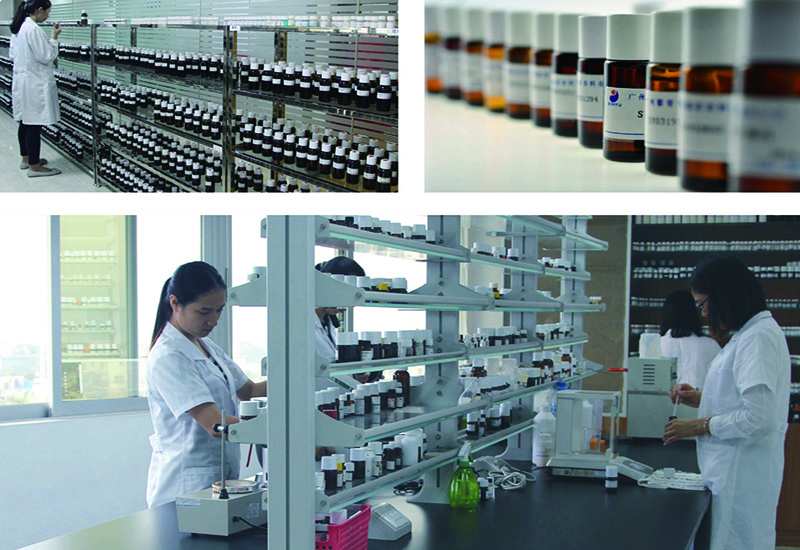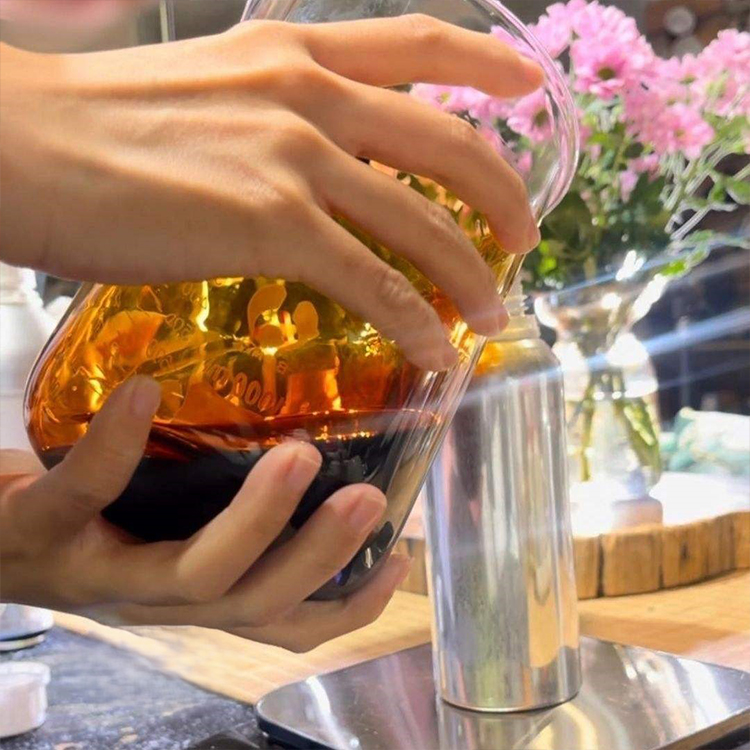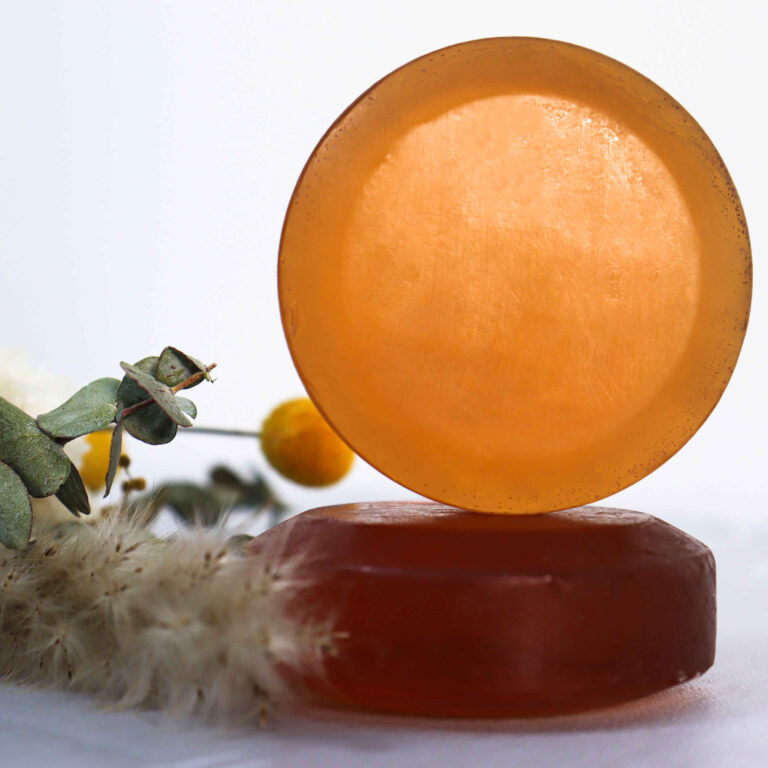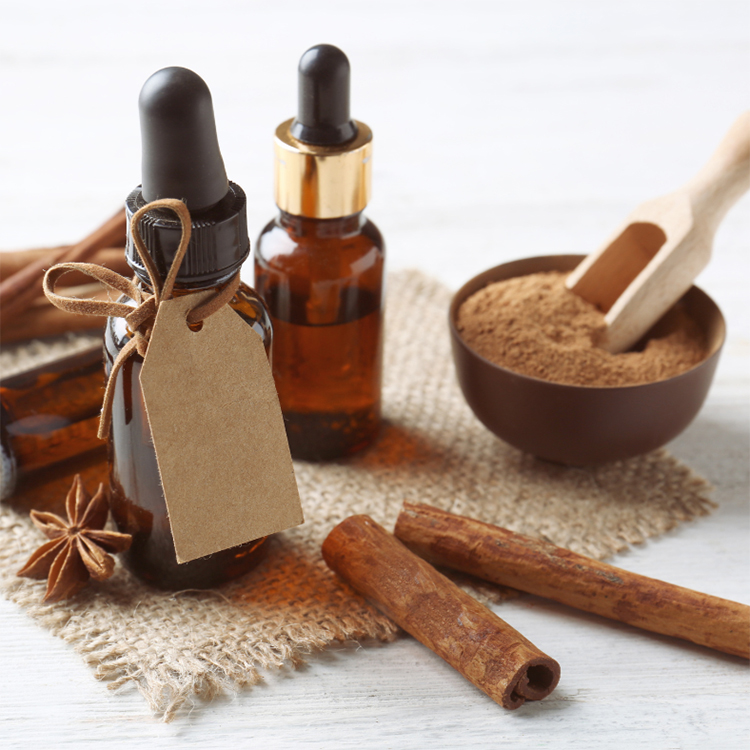


Most fragrance failures are not creative failures. They are control failures. This guide lays out a real fragrance stability testing plan for fragrance oils, using temperature cycling, light exposure, and real-time aging so brands can catch yellowing, odor drift, haze, and packaging interaction before customers do.

I’ve watched teams blame the perfume, the supplier, and even the customer before admitting the base was unstable or the deodorizing claim was fake. This piece breaks down oxidation, base interactions, re-odor, and the odor-control methods that survive real-world use.

I’ve watched too many brands confuse a pretty pilot with a production-ready formula. This piece breaks down the technical, commercial, and regulatory checkpoints that matter when you move from 5 kg tests to mass production.

Most perfume briefs talk about concentration and call it strategy. I don’t buy that. Longevity and sillage are not accidents, and they are not magic either. They are engineered through material choice, evaporation curves, carrier behavior, and ruthless ratio discipline.

I do not buy “halal-ready” as a sales phrase. I buy documents, traceability, and market access. This checklist shows fragrance buyers how to vet GCC suppliers before a formula becomes a customs problem, a retailer rejection, or a regulatory headache.

Alcohol-free perfume is not a soft-focus wellness trend. It is a technical format with different diffusion, stability, allergen, and market-fit rules. Here is how perfume oil formulation actually works, and why most brands get fragrance selection wrong.

I’ve seen too many brands blame the fragrance when the real failure sat in a warm warehouse, a wet filling line, or a jar package that invited fingers and air. Here’s the hard truth on cosmetic microbiological safety, cosmetic shelf life and contamination, and how serious operators prevent spoilage before it becomes a recall.