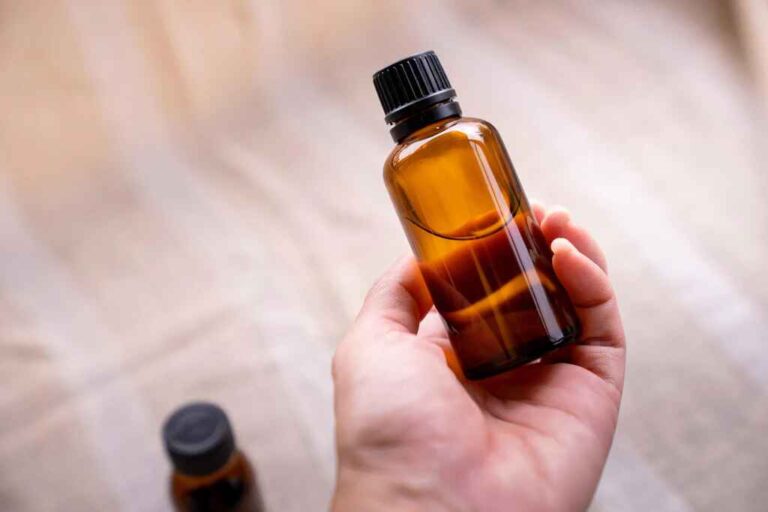


Aroma chemicals are not mysterious perfume magic. They are the working molecules behind citrus lift, floral diffusion, creamy vanilla, amber warmth, clean musk, and also the compliance headaches that careless brands pretend not to see.

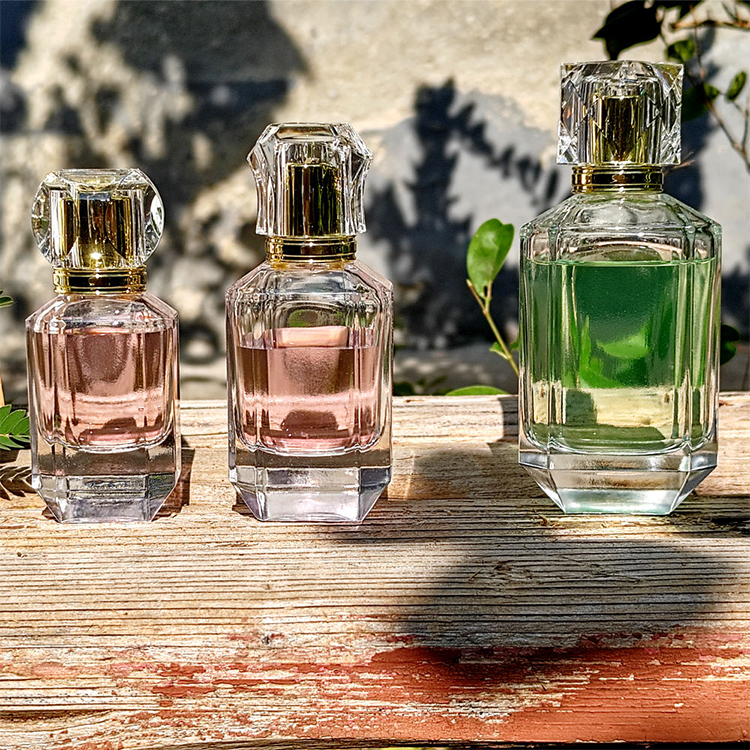
Choosing fragrance oil packaging means matching the oil chemistry to the bottle, closure, liner, seal, label, shipping route, and storage reality. Glass may look safe, plastic may look cheap, and “leak-proof” may mean nothing unless the full pack passes compatibility, torque, heat, inversion, and transport testing.

Not every fragrance oil supplier deserves your formula, your deposit, or your brand reputation. This guide shows buyers how to separate polished sales talk from real manufacturing strength, using documentation, stability testing, regulatory proof, production data, and uncomfortable questions suppliers would rather avoid.

Most scent layering advice is too pretty to be useful. This guide cuts through the romance and shows how professional fragrance oil blend profiles are designed, tested, regulated, and scaled.

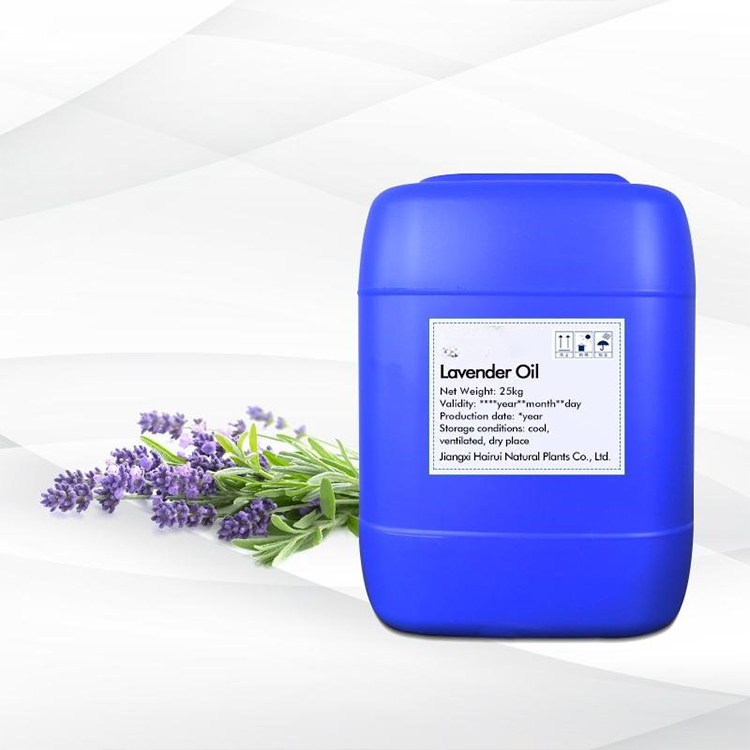
Fragrance oil shelf life is not a romantic “keep it in a dark cupboard” topic. It is inventory discipline, oxidation control, compliance evidence, and a quiet profit leak for brands that buy fragrance oils in bulk without a retest plan.

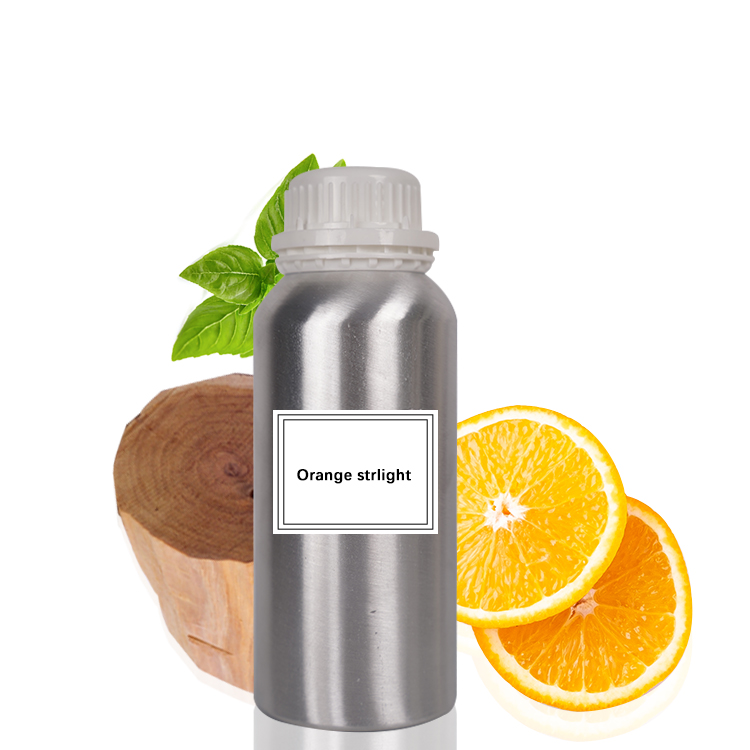
Scent families are not fluffy perfume language. They are the commercial shorthand brands, perfumers, evaluators, and buyers use to predict emotion, performance, compliance risk, and shelf appeal.

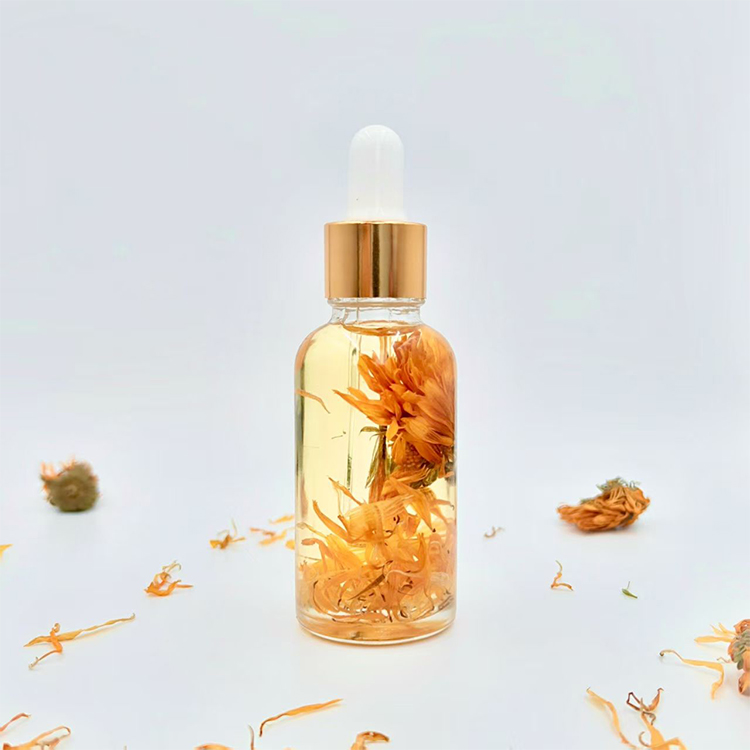
I have seen brands ruin a good perfume oil formulation by pushing concentration without respecting carrier behavior, allergen math, packaging interaction, or legal exposure. This guide breaks down how to build high concentration fragrance oil formulations that survive real manufacturing, real regulation, and real customer use.