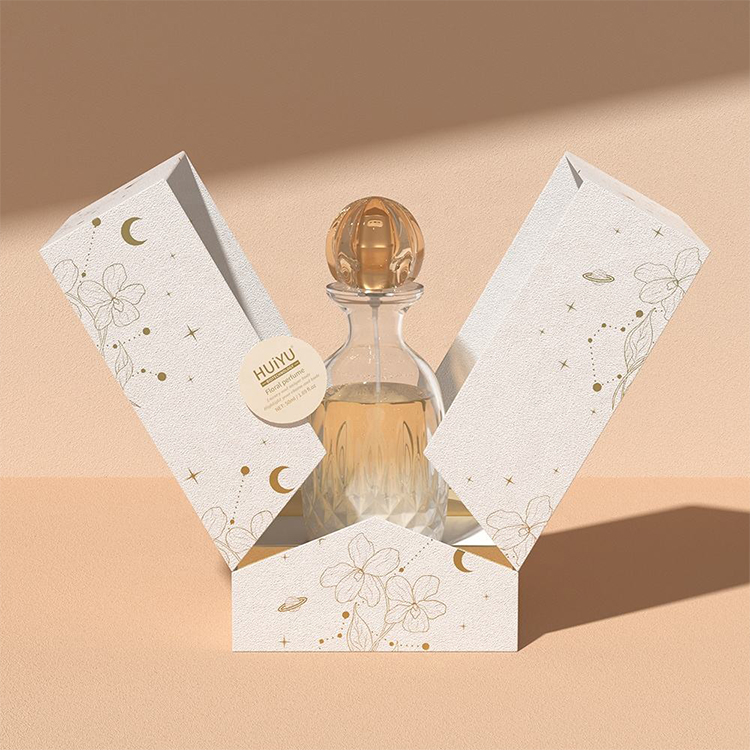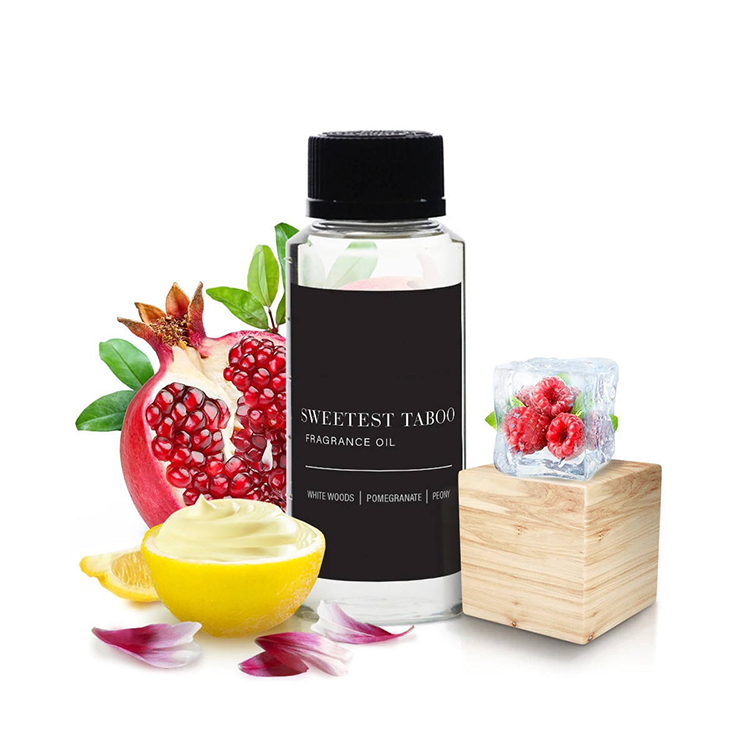


A practical guide to building private label perfume packaging as a controlled system—from fragrance formula and bottle compatibility to custom boxes, legal artwork, transit testing, and bulk-production approval.

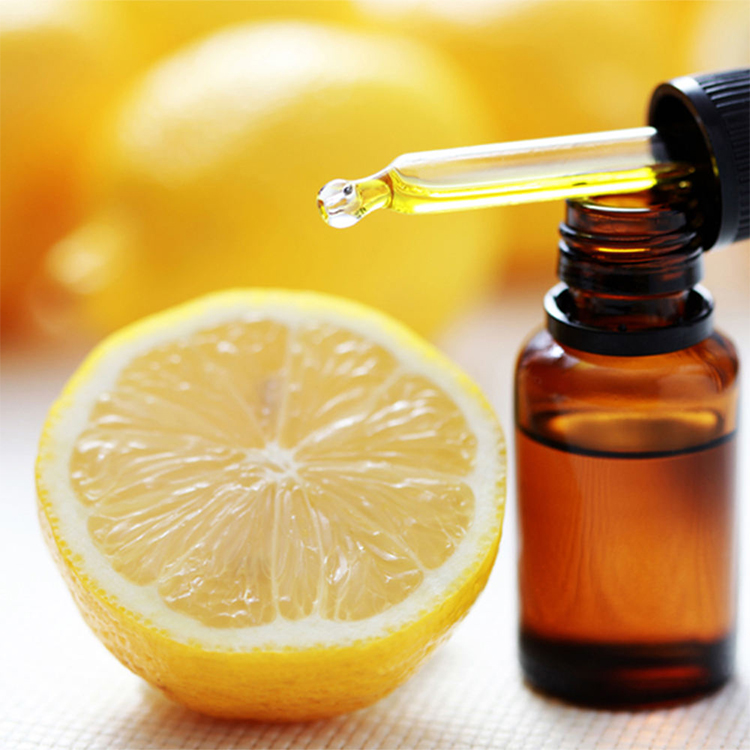
Citrus fragrance oil can make dish soap smell sharper, cleaner, and more marketable, but the wrong formula may cloud the base, lose its top notes, or create labeling problems. Here is what buyers should test before approving a lemon, orange, or lime fragrance.

A practical procurement and formulation guide for selecting dish soap fragrance oil that remains stable in surfactants, survives storage, meets regulatory requirements, and delivers the right scent during washing and rinsing.

A serious perfume oil collection should cover distinct scent families, wearing occasions, climates, and dry-down styles—not twenty versions of the same vanilla-amber formula. This guide explains how to build, test, and expand a balanced fragrance wardrobe without buying expensive duplicates.

A spa fragrance must do more than smell relaxing on a blotter. This guide explains how professional buyers should assess fragrance oils for shampoos, soaps, lotions, massage products, body care, and wellness collections before approving bulk production.

Most credible custom fragrance projects are completed in two to four structured sampling rounds. This guide explains what counts as a round, why revisions multiply, and how buyers can prevent endless reformulation.

A “1–3 day sample” does not mean a finished fragrance will reach your warehouse in three days. This guide separates laboratory sampling, approval, bulk production, freight, and customs to show what really controls fragrance oil lead time.