Using Fragrance Oils in Candle Formulations: A Guide
Most candle advice is soft. This one is not. We’ll cover how fragrance oils for candles actually behave in wax, why weak scent throw usually starts with bad formulation logic, and what recalls, compliance, and raw-material politics mean for your next batch.
They frame fragrance oils for candles as a scent-selection hobby, when the real work is managing volatility, wax compatibility, wick behavior, cure time, soot, discoloration, and the ugly fact that a candle can smell expensive in the bottle and still die on burn three.
And here is the part candle marketers hate: the best fragrance oils for candles are usually not the oils that smell loudest from the cap. They are the oils that stay coherent at heat, diffuse with discipline, respect the IFRA ceiling, and do not wreck burn behavior when the customer finally lights the thing in a small bedroom.
Table of Contents
Fragrance oil for candle making is judged by burn, not by bottle
Three words. Test burns first.
A fragrance oil for candle making has to survive the full chain of abuse: melted wax around 180°F, cooling stress in the vessel, cure-time changes, repeated burn cycles, and the subtle but real distortion that happens when top notes flash fast and the base is left doing all the labor.
Still think bottle-sniffing tells you enough?
Hot throw is the trial
Cold throw sells the candle on the shelf. Hot throw decides whether the customer comes back. I treat those as separate jobs, because they are. The site’s fragrance development brief template says it plainly: wax type, wick, and fragrance load change the whole story, including hot throw, cold throw, soot, and color. That is not marketing fluff. That is formulation reality.
My own bias is simple. I would rather ship a candle with slightly softer cold throw and stable burn than a “beast mode” candle that mushrooms, smokes, tunnels, or turns flat after an hour. A loud candle that burns badly is not premium. It is a return request waiting for a bad review.
Same scent name, different behavior
This is where amateurs get embarrassed.
A room-spray hero can underperform in wax. A diffuser-friendly accord can feel dead in a coconut-soy system. A vanillin-heavy gourmand can darken pale wax faster than the brand team expected. That is why fragrance oil buying pitfalls that look cheap but cost a lot matters more than most “best fragrance oils for candles” listicles. The bottle is not the product. The burn is the product.
Candle fragrance load is where most teams expose themselves
IFRA is not your target.
It is a safety ceiling, and this site’s own SDS, COA, and IFRA paperwork guide says exactly that: IFRA sets maximum percentages by product category, including candles, and you formulate below that ceiling rather than treating it as the “what smells best” number. The official IFRA Standards say the same thing in more formal language.
So when people ask how much fragrance oil to add to candles, I usually give an answer they dislike: not “as much as the wax can hold,” and not “whatever the supplier’s marketing sheet suggests,” but the lowest percentage that gives you stable cold throw, stable hot throw, clean combustion, and repeatable manufacturing.
The table I wish more candle brands used
Formulation decision
Lazy move
Disciplined move
Why it wins
Candle fragrance load
Push to the highest possible %
Bench at 6%, 8%, and 10%, then decide from burn data
You learn where performance peaks before sweating or instability starts
Addition temperature
Use one temperature for every oil
Match the oil to the wax system and mix window
Top-note loss and poor integration are both real
Wick selection
Keep the same wick after changing scent
Re-test wick after every major fragrance change
Fragrance alters melt pool, flame, and soot
Cure time
Judge at 24 hours
Compare day 1, day 7, and day 14
Scent throw in candles shifts with cure, especially in soy-heavy systems
Compliance
Treat IFRA max as a suggestion
Demand current IFRA, SDS, and batch COA
You cannot defend a candle with vibes and screenshots
Color stability
Ignore discoloration risk
Stress-test light wax with amber, gourmand, and vanillin-rich accords
A pretty white candle can turn ugly fast
But here’s my stronger opinion: candle fragrance load is often used as a vanity metric by people who have not earned the right to brag. I do not care if you loaded at 12% if your jar hazes, your wick mushrooms, your glass gets scary, or your scent collapses into hot sugar and smoke.
And the risk is not theoretical. According to NFPA’s candle safety data, candles were the heat source for 2% of reported home fires and 5% of home fire injuries, while the EPA’s indoor particulate matter guidance explicitly lists burning candles as a source of indoor PM. That is why I reject the fluffy idea that candle fragrance is just branding. It is chemistry plus combustion plus liability.
Indoor air is part of the conversation now
This part makes some sellers uncomfortable.
Good.
In 2025, Purdue researchers said fragranced products are not passive sources of pleasant scent but actively alter indoor air chemistry, and their work found that scented wax melts can pollute indoor air at least as much as candles because terpene emissions react with ozone to form nanoparticles. Read Purdue’s summary of that work, then tell me again that fragrance choice is just about “signature scent.”
I am not making the anti-candle argument. I am making the anti-lazy-formulation argument. Limonene (C10H16), linalool (C10H18O), vanillin-heavy sweet accords, smoky woody notes, and sharp citrus tops do not behave the same under heat, in storage, or across vessel sizes. Pretending otherwise is how weak candles, discolored wax, and unstable launches happen.
Procurement mistakes poison great candle fragrance oils
Here is the unsexy truth.
Supply chain shows up in the wax.
In February 2025, Reuters reported that a U.S. federal judge allowed core fragrance price-fixing lawsuits to proceed, with plaintiffs alleging a concentrated market and citing fragrance ingredient sales of $9.1 billion in 2022. I bring this up because upstream pressure always rolls downhill: odd substitutions, MOQ creep, slower sampling, price shocks, and “equivalent” materials that are not equivalent when you burn them in wax.
So yes, I care about scent. But I also care about lot traceability, change control, batch COAs, current IFRA statements, and whether the supplier sounds like a lab or a lifestyle brand. That is why I would keep readers moving between fragrance oil safety paperwork, fragrance oil buying pitfalls, and the site’s article on fragrance oils vs. essential oils for sourcing and applications. Those are the pages that push people out of hobby thinking and into actual manufacturing discipline.
How I actually use fragrance oil in candle making
Start with the wax, not the fragrance story
I write the candle brief first.
Not the mood board. Not the scent fantasy. The brief.
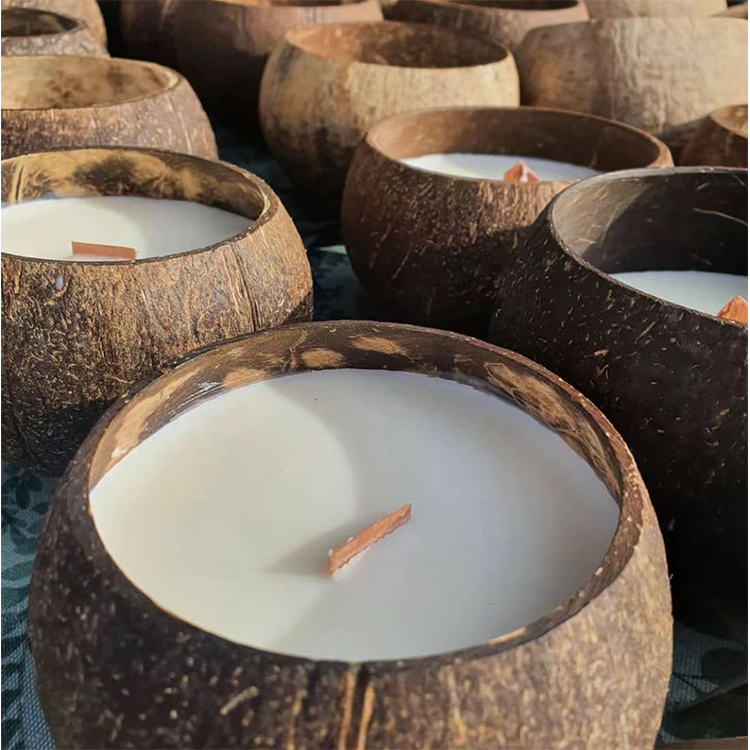
What wax blend are we using? Soy 464? Coconut-apricot? Paraffin blend? What vessel diameter? What target burn time? What room size? What wick families are already qualified? Do we care more about first-sniff cold throw on retail shelves, or layered hot throw in a two-hour evening burn? The site’s fragrance development brief guide is one of the better internal pages to hand a brand owner before they waste a lab’s time.
Build a three-load bench and stop guessing
I do not marry the first load that smells nice.
I bench at three fragrance levels, keep wick and vessel controlled, and watch what happens on day 1, day 7, and day 14. Then I burn for at least two full sessions and judge not just intensity, but shape: Does the top disappear? Does the mid flatten? Does the base turn muddy? Does the melt pool feel oily? Does the jar blacken? Does the customer get a pretty cold throw and a disappointing room fill?
That is how you learn scent throw in candles. Not from bottle charm. Not from supplier adjectives. From burn data.
Blend for wax, not for ego
Fragrance oil blending for candles works best when the perfumer accepts an annoying fact: some accords need to be rebuilt for wax delivery, not copied blindly from diffuser or fine-fragrance logic. This site basically says the same thing in why the same scent smells different in different bases and the candle fragrance manufacturer page. Same olfactive story, different physical job.
That is also why I am skeptical of “one-fragrance-fits-all” supplier talk. It sounds efficient. It usually performs like compromise.
FAQs
What are fragrance oils for candles?
Fragrance oils for candles are engineered scent blends, often combining natural isolates and aroma molecules, designed to stay stable in wax, release a clear cold and hot throw, and remain within safety limits for candle use rather than merely smelling attractive in the bottle.
In plain English, they are performance materials. A proper candle fragrance oil has to work with wax, heat, wick, glass, storage, and burn behavior all at once.
How much fragrance oil should you add to candles?
How much fragrance oil to add to candles depends on the wax system, wick, vessel, and IFRA ceiling, but the right answer is the lowest percentage that gives reliable cold throw, hot throw, clean burn behavior, and repeatable production without sweating, seepage, or instability.
That is why I dislike one-size-fits-all dosage advice. Start with controlled bench loads, then let the burn tell you where the formula actually works.
How do you use fragrance oil in candle making?
How to use fragrance oil in candle making is a controlled process: choose an oil built for wax, add it in a repeatable temperature window, mix thoroughly, pour consistently, cure properly, and judge performance by actual burn tests instead of first impressions from the raw concentrate.
And yes, documentation matters here too. If the supplier cannot provide current IFRA, SDS, and COA paperwork, your process is already weaker than you think.
What is candle fragrance load?
Candle fragrance load is the percentage of fragrance oil used relative to wax weight, but in practical manufacturing it is better understood as a stress test of wax compatibility, solubility, wick behavior, and safety margin rather than a bragging-rights number for marketing teams.
Higher is not automatically better. A candle that performs cleanly at a moderate load will beat a messy, overloaded candle every time.
Why is scent throw weak in candles?
Weak scent throw in candles usually means the formula is mismatched, not simply underdosed, because wax chemistry, wick size, cure time, vessel diameter, fragrance volatility, and top-note flash-off can all erase diffusion long before the customer decides the candle is a failure.
I see this mistake constantly. People increase load before they fix the accord or the wick, and then wonder why the candle got louder in the jar but worse in the room.
Are fragrance oils better than essential oils for candles?
Fragrance oils are usually better than essential oils for candles when the goal is stable production, stronger hot throw, and tighter documentation, because candle systems punish volatility and batch drift, while many essential oils lose lift under heat or vary too much from lot to lot.
That does not mean essential oils are useless. It means the candle format is unforgiving, and most commercial brands need repeatability more than ideology.
Your next move
Do this next.
Write a candle brief with wax type, vessel size, wick family, target fragrance load, burn-time goal, and desired hot-throw style. Then compare suppliers using the pages on candle fragrance manufacturing, SDS, COA, and IFRA paperwork, fragrance development briefs, and buying pitfalls. On its OEM pages, I’SCENT says it works with 20+ senior perfumers, 40,000+ formulas, up to 98% replication, 1–3 day sampling, 3–7 day production, and a 5 kg MOQ. That is the kind of operational detail I want before I trust anyone with a candle line.
My advice is blunt because the category punishes wishful thinking. Stop asking which fragrance smells nicest in the bottle. Start asking which formula survives heat, stays compliant, burns clean, and still makes sense when procurement, QA, and the customer all get a vote.
Our team of 20+ senior perfumers leverages a vast library of 40,000+ formulas to deliver expert customization and scent replication with up to 98% accuracy. As premier perfume oil manufacturers, we bring your most complex fragrance concepts to life with precision.
Industry-Leading Speed
We empower your business with industry-leading speed. Samples are ready in just 1-3 days, mass production takes only 3-7 days, and our low 5kg MOQ allows you to test the market quickly and without risk, solidifying our role as agile fragrance oil suppliers.
Certified Quality & System Assurance
Our quality is built on trust and technology. We are fully certified with IFRA, ISO, GMP, and Halal, and our advanced ERP system guarantees complete traceability and batch-to-batch consistency, making us your reliable perfume raw materials supplier.