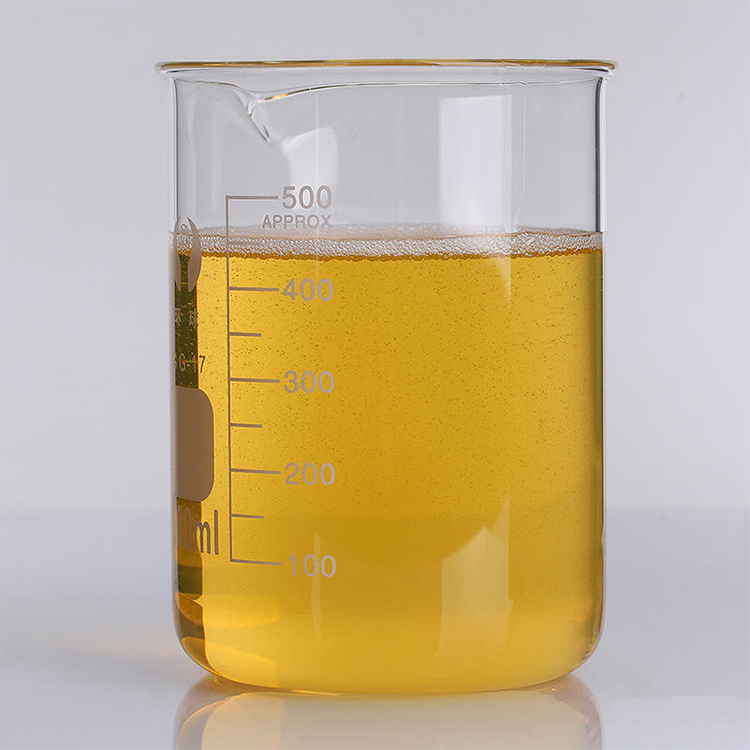
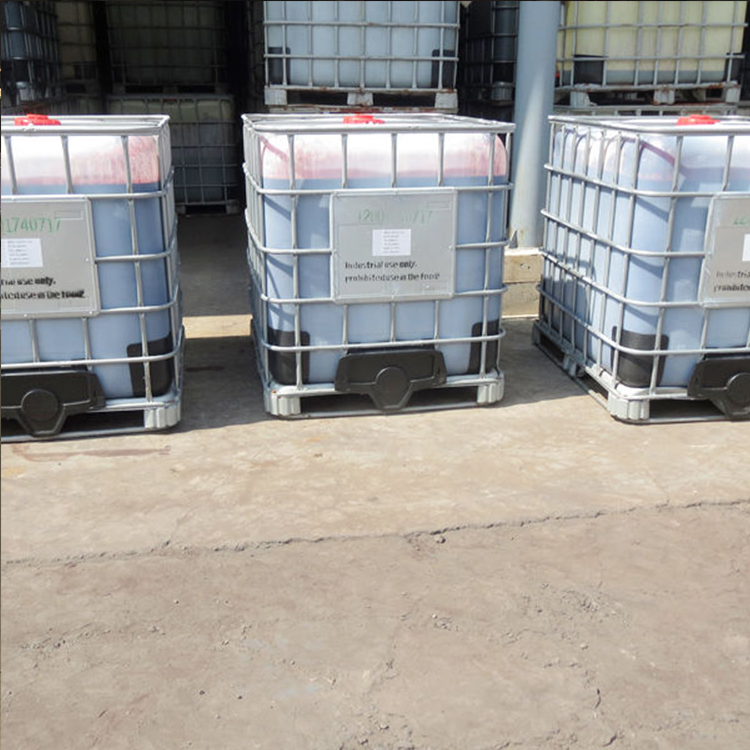
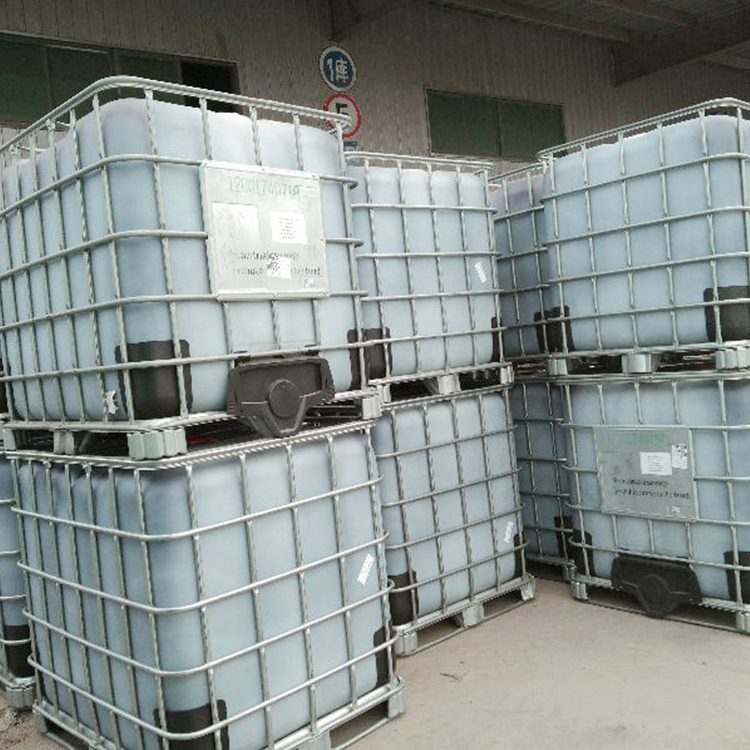
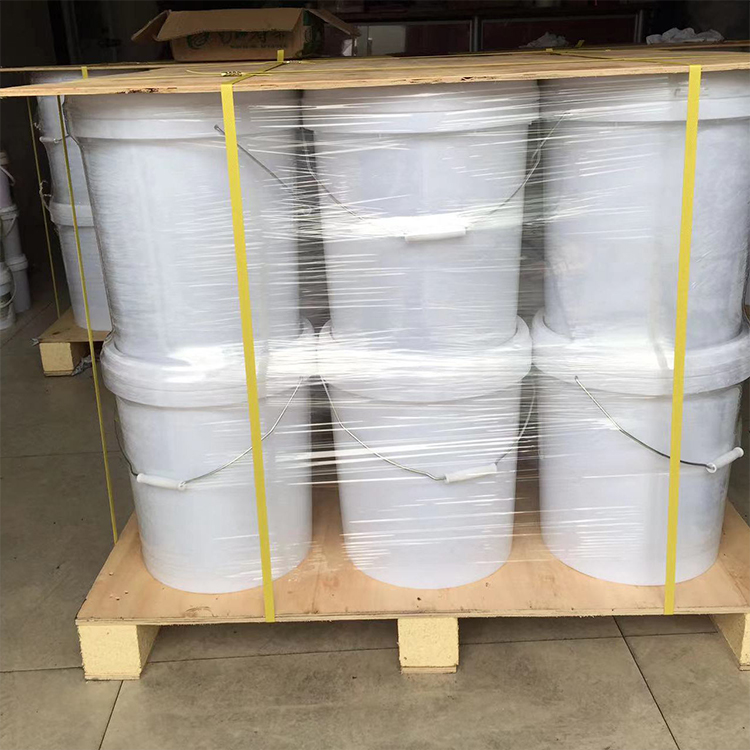
Storage and Shipping Requirements for Fragrance Raw Materials
Fragrance raw materials are not harmless “nice-smelling liquids.” Many are volatile, reactive, oxidizable, combustible, or regulated in transport. This guide explains how serious buyers should store, document, pack, and ship fragrance ingredients before a small leak becomes a compliance file.
The Expensive Myth: “It Smells Nice, So It Must Be Safe”
Smell misleads people.
I have seen too many buyers treat fragrance raw materials like boutique inventory instead of chemical inventory, and that lazy habit becomes dangerous when a citrus terpene oxidizes, a solvent-rich compound sits beside heat, a mislabeled drum gets routed by air, or a warehouse team opens a package without knowing whether the liquid inside belongs under Class 3 controls. Why does the industry keep pretending perfume chemistry is softer than it is?
Here is my blunt view: fragrance raw materials storage requirements are not housekeeping notes. They are risk controls.
Aroma chemicals, essential oils, natural isolates, solvents, fixatives, fragrance compounds, and finished perfume oils can involve flammability, oxidation, skin sensitization, environmental hazards, vapor exposure, packaging compatibility issues, and transport classification problems. That is not theory. The U.S. Department of Transportation says roughly 1,500 transportation incidents occur each year when undeclared hazardous materials are shipped, according to its PHMSA Check the Box campaign.
That number should bother every fragrance buyer.
If a supplier cannot produce a current SDS, COA, IFRA certificate where relevant, batch number, recommended storage range, flash point, and transport classification, I would not treat that supplier as “flexible.” I would treat them as expensive trouble wearing a low quote.
For brands still comparing suppliers, start with documented IFRA-compliant perfume raw materials and then judge every shipment by paperwork, container choice, closure integrity, and route restrictions. Pretty odor is not evidence. A signed SDS is closer.
Table of Contents
What Counts as Fragrance Raw Materials in the Real Warehouse?
Fragrance raw materials include aroma chemicals, essential oils, absolutes, resinoids, natural isolates, synthetic molecules, solvents, diluents, fixatives, bases, and pre-blended fragrance compounds used to build perfume, personal care, home care, candle, diffuser, detergent, and air care products.
That definition matters because different materials behave differently under heat, light, oxygen, metal contact, plastic contact, vibration, freezing, and long storage.
Limonene is not vanillin. Ethanol is not dipropylene glycol. A lavender essential oil is not a musk base. A finished fragrance oil for candles is not automatically safe to route the same way as a fine fragrance concentrate.
And yet buyers still ask one dangerous question: “Can you ship it fast?”
Wrong question.
Ask this instead: “What is the flash point, SDS Section 14 classification, packaging group, UN number, storage temperature range, and container compatibility record for this exact batch?”
That is the conversation professionals have.
If you need a deeper raw-material vocabulary before writing an RFQ, this guide on common aroma chemicals and their fragrance characteristics is the kind of internal reference buyers should read before approving a formula from a scent strip alone.
Storage Requirements: The Warehouse Rules Nobody Wants to Fund
Storage is where fragrance quality and safety quietly separate.
Most fragrance raw materials should be stored in tightly closed, clearly labeled containers, away from heat, ignition sources, direct sunlight, incompatible materials, uncontrolled humidity, and unnecessary oxygen exposure. For many fragrance oils and aroma chemicals, a practical controlled range is often around 15–25°C, but the SDS and supplier specification must override any generic rule.
That last sentence matters.
Some materials tolerate ambient warehouse conditions. Some do not. Some citrus oils oxidize and raise sensitization concerns. Some aldehydes shift odor profile. Some solvent-heavy blends need flammable-liquid controls. Some natural materials throw sediment or color drift. Some plastic containers scalp odor molecules like thieves.
Tiny leak. Big audit.
The Non-Negotiable Storage File
For every fragrance raw material, keep these records tied to the batch number:
Control Point
What I Want to See
Why It Matters
SDS version
Current SDS with Sections 7, 9, 10, and 14 reviewed
Handling, flash point, stability, transport classification
COA
Batch-specific certificate of analysis
Confirms identity, quality range, and release status
IFRA document
IFRA certificate for fragrance compounds where applicable
Supports downstream product-category compliance
Storage range
Temperature, light, ventilation, and shelf-life guidance
Prevents oxidation, evaporation, odor shift, and degradation
Container type
Glass, lined metal, HDPE, aluminum, or approved drum
Reduces leakage, absorption, swelling, taint, and corrosion
Retain sample
Sealed sample from same batch
Allows dispute testing after transport or storage complaints
Incoming inspection
Leak check, label check, odor check, weight check
Catches damage before inventory release
OSHA’s Hazard Communication framework is not decorative paperwork. OSHA states that Safety Data Sheets use a specified 16-section format, and its FAQ says the SDS sequence and headings are part of the revised HazCom system. See OSHA’s Hazard Communication overview and its detailed HazCom Q&A.
My hard rule: if a fragrance supplier treats SDS requests as annoying, do not give them your formula.
Flammable Storage Is Not Optional for Low-Flash Materials
Many fragrance raw materials are not flammable. Some absolutely are.
Ethanol-based perfume compounds, certain solvent systems, and low-flash fragrance mixtures can trigger Class 3 flammable liquid handling and shipping requirements. OSHA’s flammable-liquid standard at 29 CFR 1910.106 includes storage cabinet limits, including no more than 60 gallons of Category 1, 2, or 3 flammable liquids in a storage cabinet, according to OSHA 1910.106.
Do not hide behind the word “fragrance.”
If the SDS says the material has a low flash point, then your warehouse has a chemical storage problem, not a branding problem.
Light, Oxygen, and Heat: The Silent Formula Killers
Citrus-heavy materials are especially unforgiving. Limonene, linalool, citral, terpenes, aldehydic notes, and some natural extracts can shift under oxygen, light, and heat. The first sign may not be a dramatic failure. It may be a dull top note, yellowing liquid, higher peroxide value, changed allergen profile, or a customer saying, “This batch smells old.”
That sentence costs money.
This is why I prefer amber glass for small high-value samples, lined metal or tested HDPE for bulk fragrance oils, nitrogen headspace where justified, and FIFO/FEFO inventory rules for unstable materials. For container decisions, the practical companion piece on fragrance oil packaging selection and seal requirements is worth reading before a purchasing team signs off on cheap bottles.
Shipping Requirements: The Label Is a Legal Claim
Shipping fragrance raw materials is classification first, packaging second, carrier third.
That order is not negotiable.
The key mistake is assuming fragrance products automatically fit one friendly transport description. PHMSA issued a 2020 interpretation involving “UN1266, Perfumery products,” explaining that the description depends on the primary function of the product and is not appropriate for flammable materials that are not actually perfume. The agency discussed cosmetics suppliers using UN1266 too broadly in PHMSA Interpretation 20-0011.
That is the kind of detail that separates adults from amateurs.
For fragrance raw materials shipping requirements, your team should check:
Proper shipping name
UN number, such as UN1266 where truly applicable
Hazard class, often Class 3 for flammable liquids
Packing group, if assigned
Limited Quantity eligibility
Inner and outer packaging requirements
Air, ground, sea, and international restrictions
Carrier acceptance rules
Required marks, labels, and shipping papers
Emergency contact and training requirements
For U.S. domestic mail, perfume containing alcohol may not be shipped internationally or domestically by air through USPS, but may be shipped within the United States by ground transportation, according to USPS shipping restrictions. USPS also says ethanol-based perfume may be mailed domestically via surface transportation using USPS Ground Advantage unless prior written authorization exists, with a 16-ounce total volume limit in a single mailpiece, according to the USPS FAQ on hazardous materials and perfume.
So, no, “sample bottle” does not automatically mean “safe to air ship.”
The Freight Forwarder Trap
Freight forwarders are useful. They are not your compliance department.
If your supplier gives vague terms like “safe goods,” “normal liquid,” or “not dangerous,” push back. Ask for SDS Section 14. Ask whether the material is regulated under 49 CFR Parts 171–180, IATA DGR, IMDG Code, ADR, or local transport rules. Ask whether the shipment can move by passenger aircraft, cargo aircraft only, sea freight, or ground only.
And ask before payment.
The fragrance oil supply chain guide makes a point I agree with: speed only helps when documentation, traceability, and batch control travel with the product. A fast shipment with weak paperwork is not agility. It is gambling.
Penalties Are Not Theoretical
The penalty ceiling is ugly now.
For violations occurring on or after December 30, 2024, the Federal Register lists the PHMSA maximum civil penalty for a hazardous materials violation at $102,348, and $238,809 when the violation results in death, serious illness, severe injury, or substantial property destruction. The same rule lists a $617 minimum penalty for hazardous materials training violations in the 2025 civil penalty adjustment.
One leaking carton can become a very expensive education.
Essential Oils Shipping Regulations Are Not a “Natural Product” Loophole
Natural is not a transport classification.
Essential oils may be natural, plant-derived, steam-distilled, cold-pressed, organic, or marketed as wellness-adjacent. None of that answers the shipping question. The actual questions are flash point, composition, toxicity, environmental classification, packaging, quantity, and route.
Sweet orange oil, lemon oil, eucalyptus oil, peppermint oil, wintergreen oil, tea tree oil, and clove oil are not interchangeable. Methyl salicylate-heavy wintergreen oil raises different safety concerns from lavender oil. Citrus oils rich in limonene raise oxidation and flammability conversations. Some essential oils may be dangerous goods depending on concentration, flash point, and shipment mode.
But people hear “essential oil” and relax.
That is the mistake.
A competent supplier should provide SDS requirements for fragrance materials and essential oils without drama. If they cannot explain storage temperature, flash point, container compatibility, and transport status, they are not a serious partner for scaled production.
How to Store Fragrance Raw Materials Safely: My Practical Field Checklist
Here is the short version I would hand to a buyer, warehouse manager, or founder who thinks compliance can wait.
Do not wait.
Receiving
Check container damage, leakage, cap torque, tamper seal, batch number, label match, SDS availability, odor abnormalities, and net weight. Quarantine any drum or bottle that arrives wet, swollen, corroded, unlabeled, or mismatched against paperwork.
Storage
Separate low-flash materials from ignition sources. Keep oxidizable materials cool, sealed, and protected from light. Use secondary containment where leakage would create slip, fire, or contamination risk. Do not store fragrance materials beside oxidizers, acids, food ingredients, or incompatible cleaning chemicals unless compatibility has been reviewed.
Handling
Train staff on SDS Sections 2, 4, 5, 6, 7, 8, 9, 10, and 14. Use gloves and eye protection where required. Bond and ground containers when flammable liquid transfer creates static risk. Never decant into mystery bottles.
Shipping
Classify the exact product, not the scent name. Confirm route restrictions. Match packaging to liquid chemistry and transport mode. Use absorbent material, sealed secondary packaging, strong outer cartons, correct marks, and carrier-approved declarations when required.
Documentation
Keep SDS, COA, IFRA, allergen statement, transport declaration, batch records, supplier contact, emergency contact, and retain samples in one searchable file. Paperwork after an incident is evidence. Missing paperwork is also evidence.
The Buyer’s Comparison Table: Cheap Supplier vs Serious Supplier
Evaluation Area
Cheap Supplier Behavior
Serious Supplier Behavior
SDS requirements for fragrance materials
Sends old MSDS, missing Section 14, or says “not needed”
Provides current 16-section SDS tied to the exact material
Aroma chemicals storage
Gives generic “keep cool” advice
States temperature, light, oxygen, incompatibility, shelf-life, and container limits
Essential oils shipping regulations
Treats natural oils as automatically safe
Reviews flash point, composition, route, packaging, and documentation
Hazardous goods shipping for fragrances
Avoids dangerous goods language
Identifies UN number, class, packing group, Limited Quantity status, and carrier rules
Packaging
Uses cheapest bottle, cap, or drum
Tests closure, liner, inversion, heat, transport vibration, and compatibility
Batch traceability
One invoice, weak lot control
Batch number, COA, retain sample, production date, and complaint trail
Response to compliance questions
Defensive or vague
Precise, documented, and willing to put claims in writing
The Industry Opinion Buyers Hate Hearing
Some fragrance failures are not formulation failures.
They are procurement failures.
A buyer picks the lowest quote. The supplier uses weak packaging. The warehouse stores drums beside heat. The freight agent guesses the shipping description. The brand receives a delayed, leaking, oxidized, or non-compliant shipment. Then everyone asks the perfumer to “adjust the formula.”
No.
Fix the system.
Fragrance raw materials need disciplined storage and shipping because the chemistry does not care about your launch calendar. A terpene-rich citrus accord will oxidize whether your marketing team likes the label claim or not. A flammable blend will stay flammable even if the product name sounds elegant. A leaking sample will still leak inside a premium carton.
This is why a serious fragrance oil purchasing guide should live inside the procurement workflow, not in a forgotten blog folder.
FAQs
What are the storage requirements for fragrance raw materials?
Fragrance raw materials should be stored in sealed, labeled, compatible containers under controlled temperature, light, ventilation, and segregation conditions based on the SDS, flash point, oxidation risk, and supplier specification. Many materials need cool, dry storage away from ignition sources, direct sunlight, incompatible chemicals, and excessive oxygen exposure.
The correct answer is always batch-specific. A citrus essential oil, a musk solution, a vanillin powder, and an ethanol-based perfume concentrate do not deserve the same storage rule. Review SDS Sections 7, 9, and 10 before accepting the material into inventory.
Are fragrance raw materials considered hazardous goods for shipping?
Fragrance raw materials may be considered hazardous goods for shipping when their flash point, toxicity, environmental hazard, pressure behavior, composition, or regulatory classification meets dangerous goods criteria under DOT, IATA, IMDG, ADR, or local transport rules. The scent name is irrelevant; the SDS Section 14 transport classification controls the discussion.
Some fragrance materials can ship as non-regulated goods. Others may require Class 3 flammable liquid controls, UN1266 or another proper shipping name, Limited Quantity marks, shipping papers, or route restrictions. Never let a freight forwarder guess.
What SDS sections matter most for perfume ingredients storage and handling?
The most important SDS sections for perfume ingredients storage and handling are Sections 2, 4, 5, 6, 7, 8, 9, 10, and 14 because they cover hazards, first aid, fire response, spill control, handling, PPE, physical properties, stability, incompatibilities, and transport information. Section 3 also matters when composition disclosure affects downstream compliance.
In practice, I look first at flash point, hazard pictograms, storage temperature, incompatible materials, exposure controls, spill instructions, and transport status. If those fields are vague, the supplier has made your warehouse weaker.
How should essential oils be shipped safely?
Essential oils should be shipped safely by classifying the exact oil or blend using its SDS, flash point, composition, packaging size, route, and carrier rules before choosing ground, air, or ocean transport. Natural origin does not remove dangerous goods obligations, especially for terpene-rich, low-flash, toxic, or environmentally hazardous oils.
Use leak-resistant primary containers, sealed secondary packaging, absorbent material, strong outer cartons, correct marks, and documented carrier acceptance. For international shipments, check destination-country rules before assuming a small bottle can move like normal cosmetics.
What is the safest packaging for fragrance raw materials?
The safest packaging for fragrance raw materials is the packaging system proven compatible with the exact formula, closure, liner, storage time, temperature range, and shipping route. Amber glass, lined metal drums, tested HDPE, and properly lined aluminum can all work, but none should be approved without compatibility and leakage testing.
The closure is often the weak point. I want torque data, liner compatibility, inversion results, heat-cycle checks, and transport simulation before calling any package “leak-proof.” A cheap cap can destroy an expensive formula.
Final Thoughts: Build a Compliance-Ready Fragrance Supply Chain Before the Shipment Moves
Do not wait for a leak, seizure, rejected air shipment, oxidized batch, or retailer documentation request to discover that your fragrance raw materials storage requirements were weak.
Audit your current supplier files this week. Pull five random fragrance raw materials. Check SDS date, Section 14 transport status, flash point, COA, IFRA documentation, batch number, packaging type, storage instruction, and retain sample. If the file is thin, fix the supplier process before the next purchase order.
If you are sourcing bulk fragrance oils, custom perfume compounds, essential oils, or aroma chemicals for scaled production, work with a documented supplier that can support formula development, packaging compatibility, SDS review, and export-ready paperwork from the start. Start with custom fragrance oil development and ask for the documents before you ask for the discount.
Our team of 20+ senior perfumers leverages a vast library of 40,000+ formulas to deliver expert customization and scent replication with up to 98% accuracy. As premier perfume oil manufacturers, we bring your most complex fragrance concepts to life with precision.
Industry-Leading Speed
We empower your business with industry-leading speed. Samples are ready in just 1-3 days, mass production takes only 3-7 days, and our low 5kg MOQ allows you to test the market quickly and without risk, solidifying our role as agile fragrance oil suppliers.
Certified Quality & System Assurance
Our quality is built on trust and technology. We are fully certified with IFRA, ISO, GMP, and Halal, and our advanced ERP system guarantees complete traceability and batch-to-batch consistency, making us your reliable perfume raw materials supplier.