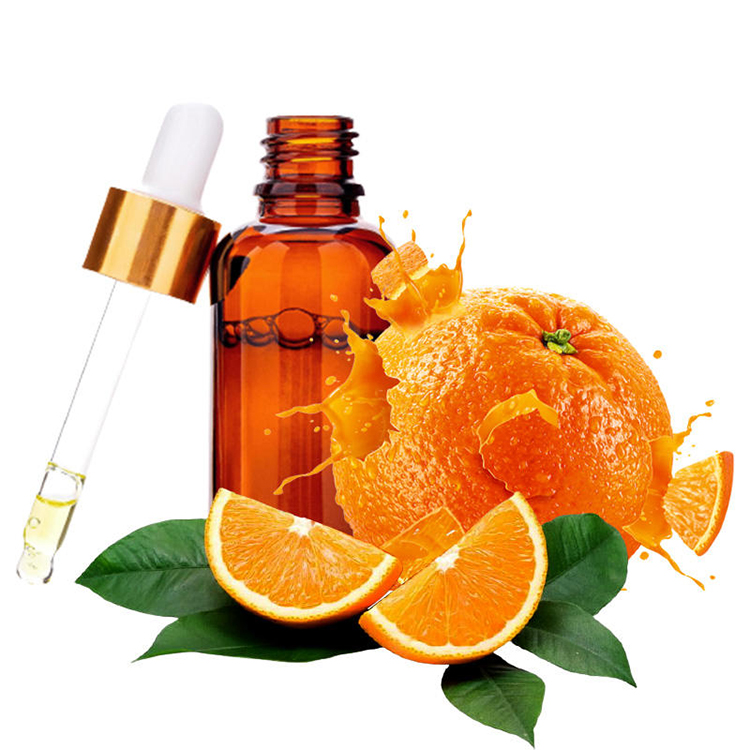
Most “natural” scent talk in haircare is marketing perfume sprayed over chemistry problems. This piece explains which citrus, herbal, and woody combinations actually lower risk, hold performance, and survive modern compliance scrutiny.
Marketing lies here. In haircare, “natural” keeps getting sold as if it were a built-in safety badge, even though the real failure points are boring and brutal: oxidized terpenes, phototoxic citrus choices, unstable botanicals, overdosing, color drift, and sloppy format matching between shampoo, conditioner, bars, oils, and mists. What did you think would happen?
I’ll say it plainly: the phrase non-toxic haircare scents is mostly fluff unless someone can show me allergen math, IFRA limits, storage controls, and base compatibility. The European Commission’s fragrance-allergen framework already forced brands to name certain allergens individually, and Regulation (EU) 2023/1545 expanded the system by adding 56 more fragrance allergens plus 3-year and 5-year transition periods. In parallel, the U.S. moved under MoCRA, and the FDA’s 2023 update says serious cosmetic adverse events must be reported within 15 business days. That is not hippie language. That is enforcement language.
Table of Contents
Now the hard truth. A “natural-style” hair fragrance is often safer when it is only partly natural, because a controlled hybrid gives formulators more power over limonene (C10H16), linalool (C10H18O), oxidation, color, and repeatability than a romantic essential-oil dump ever will. The site already hints at that logic in its Fragrance Oils vs Essential Oils: Formulation & Compliance page, and I’d pair that with the commercial pages for Hair Care Fragrance Supplier and Shampoo-Safe Green Tea Personal Care Fragrance Oil because that link path moves a reader from education to solution without losing topical relevance. Smart internal linking beats generic category dumping every time.
The evidence is not subtle. A 2024 clinical review on fragrance contact allergy reported contact-allergy prevalence as high as 20% for hydroperoxides of linalool and 9.4% for hydroperoxides of limonene in tested dermatitis patients, which is exactly why I don’t clap just because a brief says “lavender-citrus, all natural.” And a 2023 French study of essential-oil dermatitis cases found 42 patients, 79% women, with 8 hospitalizations; lavender, tea tree, and ravintsara were leading culprits, while 40% of patients did not even spontaneously mention essential-oil use. Safer haircare fragrance combinations start with that uncomfortable fact, not with packaging copy.
So what do I actually back? Three lanes, mostly. First: bergamot FCF or a low-color citrus fraction, then petitgrain or green tea, then blonde woods and clean musks. Second: folded mandarin, restrained verbena or sage, then cedar-style woods. Third: a citrus impression built partly from controlled aroma chemicals, not only cold-pressed oil, then a watery herbal heart, then soft woody anchors. Why? Because safer citrus/herbal/woody scent blends for haircare need a clean opening, an herbaceous identity, and a base that survives rinse, heat, comb-out, and storage without forcing the brand into allergen roulette. That is why the site’s Longevity and sillage: hitting targets through materials and ratios and How fragrances affect color systems: botanicals, dyes, discoloration risk pages belong in this cluster too. (Fragrance Oils Manufacturer)
But not every format gets the same answer. Bottle shampoo, especially transparent systems, usually wants lower color, better clarity, and less haze risk; the Shampoo-Safe Green Tea Personal Care Fragrance Oil page is a good example because it is positioned for SLES/APG/betaine systems, low color, and 0.2–0.6% starting use. Solid bars are a different beast, and the site’s Formulation Considerations for Fragrance Oils in Solid Shampoo and Conditioner Bars article says many shampoo bars land around 0.8–2.0% fragrance load, where hardness, sweat, cracking, and IFRA failure start arguing with each other. Same scent family. Different physics. (Fragrance Oils Manufacturer)
And yes, I am skeptical of brands that brag about “pure essential oil hair fragrance” while staying vague about documentation. The FDA now expects serious adverse-event reporting discipline, and the EU keeps tightening disclosure. Even the supply side has been under ugly scrutiny: Reuters reported that the European Commission fined IFF and its French affiliate €15.9 million in June 2024 for obstructing an inspection in an ongoing fragrance-cartel investigation. So no, I do not assume transparency just because a sales deck says “clean.”
What I would actually choose
Combination
Smell profile
Why it is the safer lane
Best format
Main watch-out
Bergamot FCF + petitgrain + green tea + blonde woods
Clean, salon-fresh, airy
Easier phototoxicity and color control; herbal identity without dumping aggressive EO volume
Clear shampoo, lightweight conditioner, hair mist
Oxidation still matters; protect citrus stock and check allergen disclosure
Folded mandarin + verbena + soft cedar
Bright but softer than lemon-heavy builds
Lower bitterness, lower visual yellowing risk than many rough botanical builds
Daily shampoo, family haircare, gentle cleansing lines
Can smell weak if woody anchor is too light
Controlled grapefruit accord + watery leaf + white woods
Crisp, premium, modern
Lets you mimic citrus sparkle with better repeatability than relying only on expressed oil
Premium salon shampoo, post-gym haircare
Cheap musks can turn flat or laundry-like
Neroli accent + green tea + cypress + cashmere woods
Spa-clean, upscale, less sugary
Good bridge between plant-based hair fragrance positioning and premium dry-down
Conditioner, mask, rinse-off treatments
Cost rises fast; overdoing neroli can push allergen and budget pressure
What I would avoid
Cold-pressed citrus overload + tea tree/lavender blast + dark patchouli
Sounds “botanical,” behaves like a complaint magnet when stored badly or dosed badly
Almost none
Oxidation, color drift, instability, and unnecessary sensitization pressure
Natural haircare scents are fragrance systems used in shampoo, conditioner, masks, oils, or mists that lean on plant-derived notes or natural-smelling accords, but their safety depends on allergen disclosure, oxidation control, dose, and base compatibility—not on the word natural printed on the front panel. I would treat “natural-style” as an olfactive direction, not a safety conclusion. The EU and FDA both make that distinction obvious once you read the compliance burden.
Are essential oils safer than fragrance oils?
Essential oils are not automatically safer than fragrance oils because they can vary batch to batch, oxidize in storage, carry label-triggering allergens, and in some cases raise sensitization or phototoxicity concerns that a well-built fragrance concentrate can limit more precisely. The patch-test and dermatitis literature is the part marketers prefer not to lead with. I prefer a controlled hybrid when the brief says “best natural haircare scents” but the launch still needs stability.
Which citrus notes are the safer choice for haircare?
The safest citrus notes for haircare are usually the ones engineered or selected for lower phototoxicity, lower color, and better oxidation control—such as bergamot FCF, distilled lime fractions, or tightly managed citrus accords—because they make compliance and stability easier in leave-on and rinse-off formats. My bias is simple: if the formula must stay clear, pale, and repeatable, romance loses to process. That is especially true in shampoos and hair mists.
How do I choose a safer citrus herbal woody combination?
A safer citrus herbal woody combination is a structured accord where citrus gives the clean opening, herbal notes add identity at restrained levels, and woody or musky anchors carry the scent on hair without forcing the formula to rely on unstable botanicals or overdosing top notes. Start by deciding format first, then allergen ceiling, then clarity/color target, then dry-down target. If you reverse that order, you usually buy rework.
Why do natural-style scents discolor shampoo or conditioner?
Discoloration from natural haircare scents is a formula shift caused when certain fragrance materials, botanicals, colorants, oxygen, heat, light, or pH change the base over time, turning a clear or pale shampoo yellow, beige, or brown even when the scent itself still seems acceptable. This is why “clean beauty haircare fragrance” is not just about note choice; it is about color systems, packaging, and storage discipline too. Ignore that, and the complaints will arrive before the repeat orders do.
Our team of 20+ senior perfumers leverages a vast library of 40,000+ formulas to deliver expert customization and scent replication with up to 98% accuracy. As premier perfume oil manufacturers, we bring your most complex fragrance concepts to life with precision.
Industry-Leading Speed
We empower your business with industry-leading speed. Samples are ready in just 1-3 days, mass production takes only 3-7 days, and our low 5kg MOQ allows you to test the market quickly and without risk, solidifying our role as agile fragrance oil suppliers.
Certified Quality & System Assurance
Our quality is built on trust and technology. We are fully certified with IFRA, ISO, GMP, and Halal, and our advanced ERP system guarantees complete traceability and batch-to-batch consistency, making us your reliable perfume raw materials supplier.