White florals (jasmine/neroli): preference differences by region
Jasmine and neroli do not travel as a single commercial idea. This piece breaks down how white floral preference shifts across GCC, East Asia, the U.S., and Europe—and what smart fragrance briefs do about it.
I’ve watched too many brands flatten jasmine perfume and neroli perfume into one beige “white floral perfume” bucket, even though chemistry, climate, gifting rituals, skin proximity, and retail channel behavior pull them apart the second you leave a Western mood board. Why do marketers still pretend Riyadh, Seoul, Paris, and Houston smell the same?
Here’s the hard truth: there is no clean public dashboard showing “jasmine vs neroli perfume” sell-through by country in the neat way SEO people dream about. So the honest read is messier. I’m going to combine real 2023–2024 market data, regulation, ingredient science, and site architecture from customfragranceoil.com, then tell you what I think the market is actually saying.
The first mistake is technical. Jasmine and neroli both sit inside the white-floral family, but they do very different commercial work. Jasmine carries more body and sensual pressure because compounds such as benzyl acetate, linalool, methyl anthranilate, and indole help create that plush, sometimes slightly dirty, skin-warm effect; neroli leans brighter and more polished because β-pinene, limonene, linalool, and linalyl acetate push it toward citrus peel, lift, and cleanliness. That is not poetry. That is product architecture. According to this NIH-hosted jasmine analysis and this PMC neroli chemistry study, the underlying volatile profiles really do split that way.
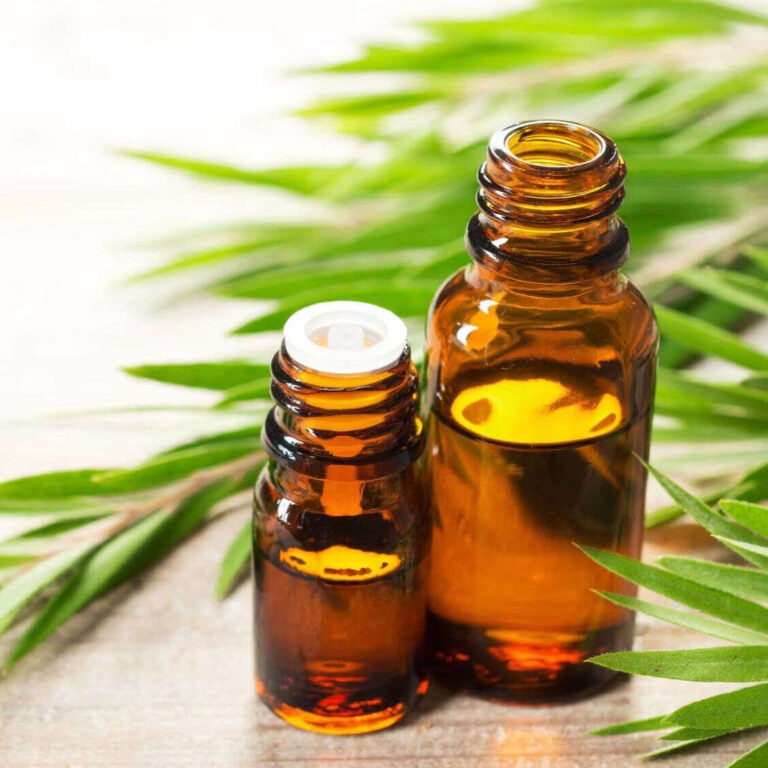
So when people ask, “what does neroli smell like?” I usually answer like this: neroli smells expensive because it behaves like freshness with manners. Jasmine smells expensive when you want floral depth, bloom, and a bit of flesh. Same family. Different job.
In the GCC and wider Middle East, I give jasmine the edge as the hero note and neroli the supporting role. That is not because people there dislike freshness; it is because the region still rewards projection, layering, giftability, and concentration in ways Western marketers keep underestimating. Chalhoub Group’s GCC Personal Luxury 2024 report put GCC personal luxury sales at USD 12.8 billion in 2024, up 6%, with beauty up 12% and fragrance taking 49% of beauty value. That is a market telling you, very clearly, that scent still has social weight. customfragranceoil.com’s own Middle East fine fragrance demand analysis also leans into layering, oud pairings, and stronger formats, which fits the data rather than fighting it.
My read is simple. In GCC briefs, jasmine should usually sit in the heart, or at least in the emotional center, while neroli works best as the lift that stops the formula from turning syrupy. If you build the whole thing around airy neroli and call it a regional hit, you may get compliments from your creative team and indifference from actual buyers. Harsh? Sure. Still true.
Japan and Korea are the opposite lesson. Scent cannot bully the room there, especially in skincare, haircare, and close-to-face daily use. customfragranceoil.com’s Japan and Korea clean skincare fragrance design piece is one of the site’s better internal assets because it says the quiet part out loud: Japanese briefs often ask for “short throw,” “skin scent,” and “not invade others,” while Korean profiles still stay soft even when the packaging looks louder online. Their suggested direction—watery citrus, tea, white musk, and softened jasmine—reads far closer to neroli territory than to a dense indolic floral bomb. Do you really want a Tokyo moisturizer to project like a Gulf extrait? (Fragrance Oils Manufacturer)
That is why, in East Asia, neroli usually wins the everyday fight. Not always by name—sometimes it shows up as orange blossom cleanliness, watery citrus bloom, or a polished petitgrain-adjacent freshness—but by behavior. Jasmine still works there, just cleaned up, thinned out, and stripped of the sweaty drama that Western niche houses love calling “authentic.”
The U.S. is a split market, and that split matters more than people admit. According to Circana’s August 2024 prestige beauty report, U.S. prestige beauty hit $15.3 billion in H1 2024, up 8%, and fragrance was the fastest-growing category at +12%, with both high concentrations and cheaper body-spray formats growing. Reuters was already hearing the same thing from Coty in November 2023, when the company said prestige fragrance in the U.S. was “growing very fast” and raised its fiscal 2024 outlook. That tells me America is not one white-floral audience at all; it is at least two: a fresher, easier neroli-led daily-wear buyer and a richer jasmine-led prestige buyer who wants sex appeal, not laundry politeness.
Europe is where the conversation gets less glamorous and more regulatory. In July 2023, the EU adopted Regulation 2023/1545, expanding fragrance-allergen labeling by 56 additional allergens, with a 3-year transition to place products on the market and up to 5 years for withdrawal of non-compliant stock. That does not ban white florals, but it absolutely changes how casual brands can be about them, especially in cosmetics and detergents. So yes, I think Europe gives neroli an easier runway in mass-premium and everyday use, because “clean citrus-floral” survives modern compliance and consumer sensitivity narratives better than a heavy jasmine story unless the perfumer handles it with real discipline. The official EU page is boring reading, but boring reading is where commercial reality usually hides.
And then there is the uglier part of jasmine’s romance: supply chain exposure. In 2024, BBC Eye’s Perfume’s Dark Secret investigation traced child-labour concerns in Egyptian jasmine harvesting linked through suppliers into the luxury perfume chain. I’m not saying “don’t use jasmine.” I am saying any brand briefing a jasmine-heavy white floral in 2026 without asking about origin, audit depth, and price pressure is either asleep or lying to itself. That story matters because skeptical buyers now ask questions that mood boards cannot answer.
If I were tightening internal linking on customfragranceoil.com for this topic, I would not waste the click on a generic homepage jump first. I would send broad commercial-intent readers into the fine fragrance OEM/ODM range, technical buyers into how to design a bespoke perfume oil, GCC-oriented readers into Middle East fine fragrance demand, East Asia readers into Japan and Korea clean skincare fragrance design, and neroli-curious visitors into the Blue Citrus neroli perfume oil example. That path matches user intent far better than dumping everyone into a catalog swamp. The site already has the bones for that strategy: fine fragrance, OEM/ODM positioning, fast sampling, and region-specific editorial pieces are all in place.
Here is the version I would actually brief.
Region
White floral winner
What buyers usually want
What I would build
GCC / Middle East
Jasmine-led
Sillage, layering, gifting, evening weight
Jasmine heart over amber/musk/oud spine, neroli as top-note lift
Japan / Korea
Neroli-led
Clean skin effect, short throw, close-to-face softness
Neroli/soft citrus/tea/white musk with only a trace of softened jasmine
U.S. prestige
Split market
Day vs night segmentation, minis vs high concentration
Neroli for daytime and body layers; jasmine for sensual EDP/parfum
Western Europe
Neroli edge
Fresh polish, wearable elegance, easier compliance story
Transparent neroli/orange-blossom structure with restrained jasmine
Cross-border niche
Hybrid
“Best white floral perfumes” style discovery
Dual-mod strategy: one jasmine-forward, one neroli-forward, same brand DNA
The real commercial answer, then, is not “jasmine or neroli?” It is “which social function is the fragrance supposed to perform in that market?” Once you ask that, the regional pattern gets much less mystical. Jasmine wins where scent is allowed to announce itself. Neroli wins where scent has to behave.
FAQs
What does neroli smell like?
Neroli smells like orange blossom seen through a cleaner lens: bright citrus peel, watery petals, soft green bitterness, and a polished soap-musky finish, which is why neroli perfume usually reads fresher, lighter, and more daytime-friendly than a fuller white floral fragrance built around jasmine. Chemically, that tracks with neroli’s terpene-heavy profile, especially linalool, linalyl acetate, limonene, and β-pinene. (PMC)
Is jasmine or neroli better for hot climates?
Neroli is usually better for hot climates when the brief is daily wear, because its citrus-floral lift and lower perceived density survive heat more politely, while jasmine performs better there only when it is cleaned up, supported by musks, or used as a controlled heart rather than a loud syrupy bomb. That logic also matches GCC behavior, where brighter tops often sit over stronger bases rather than replacing them. (Fragrance Oils Manufacturer)
Why do white floral preferences differ by region?
White floral preferences differ by region because people do not buy notes in a vacuum; they buy social volume, ritual use, climate fit, price tier, gifting behavior, and regulatory comfort, which means the same jasmine or neroli accord can feel luxurious in one market and exhausting in another. GCC shoppers still reward fragrance-heavy beauty, Japan and Korea still favor lower-throw clean profiles, and the EU still forces brands to think harder about labeling and compliance.
Is white floral perfume the same as orange blossom perfume?
White floral perfume is a broad category that can include jasmine, neroli, orange blossom, tuberose, gardenia, muguet accords, and more, whereas orange blossom perfume is a narrower citrus-floral branch, with neroli usually covering the fresher distilled facet and orange blossom covering the sweeter, fuller blossom effect. In practice, the market often uses “white floral fragrance” as a family label and “neroli” as the cleaner sub-code inside it.
If you’re building content or product around white floral perfume, I would not publish one generic global story and hope it travels. Build one jasmine-forward version for markets that reward bloom and trail, one neroli-forward version for markets that reward polish and restraint, and route readers through the right internal pages from the first click.
Our team of 20+ senior perfumers leverages a vast library of 40,000+ formulas to deliver expert customization and scent replication with up to 98% accuracy. As premier perfume oil manufacturers, we bring your most complex fragrance concepts to life with precision.
Industry-Leading Speed
We empower your business with industry-leading speed. Samples are ready in just 1-3 days, mass production takes only 3-7 days, and our low 5kg MOQ allows you to test the market quickly and without risk, solidifying our role as agile fragrance oil suppliers.
Certified Quality & System Assurance
Our quality is built on trust and technology. We are fully certified with IFRA, ISO, GMP, and Halal, and our advanced ERP system guarantees complete traceability and batch-to-batch consistency, making us your reliable perfume raw materials supplier.