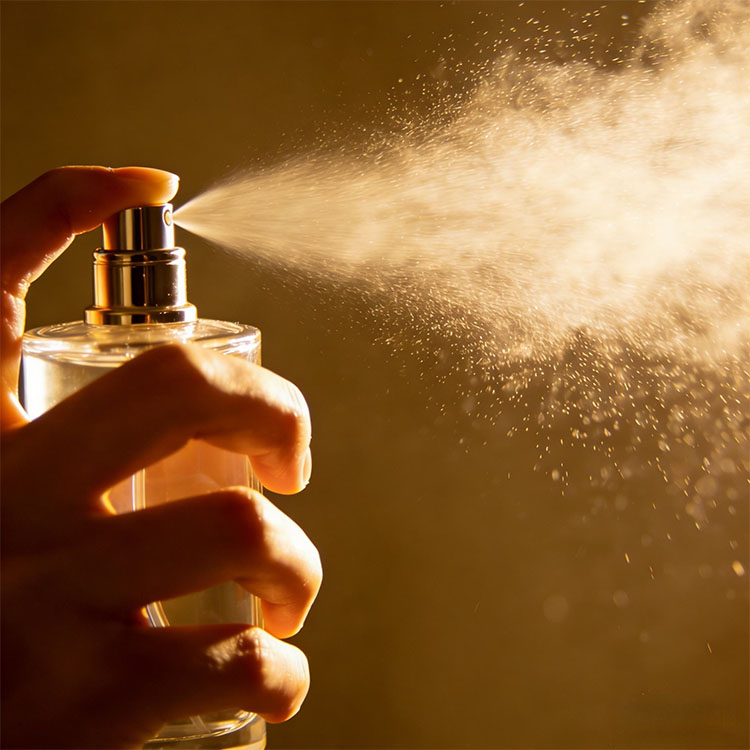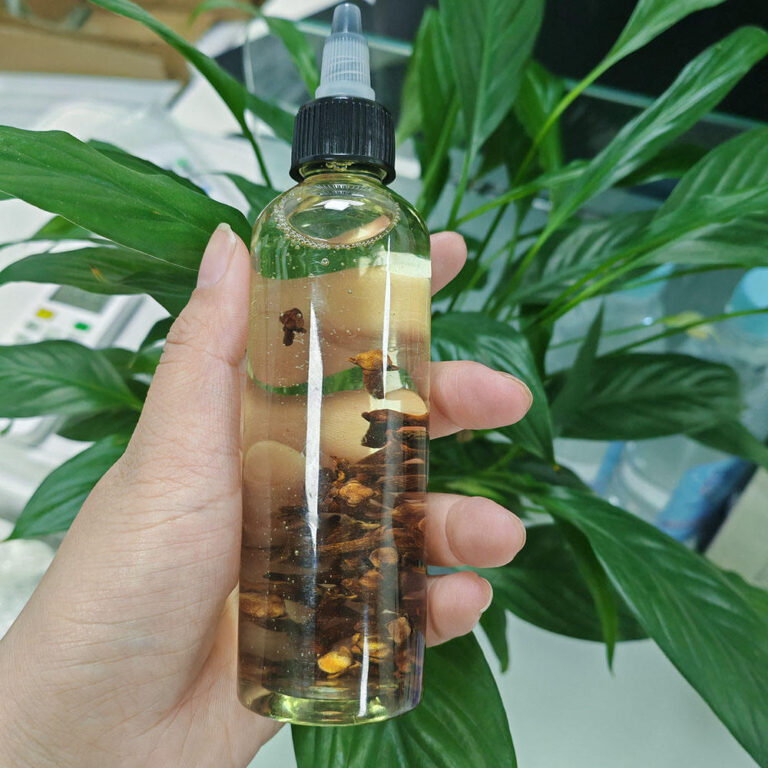


Remote fragrance development works—if you treat it like a lab protocol, not a vibes-based DM thread. Here’s how we force clarity in sampling, evaluation, panel testing, and stability so the factory can’t “interpret” your intent.

Oils and foam fight. This post shows how to make them coexist—using the right solubilizer/emulsifier choices, dosing math, and compliance reality checks.

Most “natural vs synthetic” debates are marketing theater. Here’s how sourcing reality, IFRA paperwork, and product chemistry decide what you should buy—and why.

signature scent” fails when it can’t survive procurement, reformulation, or scale. This piece lays out the hard standards that make an olfactory identity repeatable.

Most brands buy fragrance like it’s art. It’s not. This checklist treats scent as a regulated chemical system—so you avoid allergen blowups, formula failures, and costly relaunches.

Disinfectant fragrance isn’t “just marketing.” It’s a behavioral control lever that can backfire—triggering complaints, compliance risk, and even exposure issues—if you don’t design it like a system.

Most retail stores don’t lose because the product is weak. They lose because shoppers don’t stay long enough to fall into “I want this” mode. People walk in, scan fast, then bounce. That’s your leak. Scent can plug part of…