You buy a scent with the same name, but it doesn’t smell the same. Not broken. Not fake. It’s chemistry, category, and context. Let’s unpack it in plain English, add real shop-floor tips, and show where I’SCENT can fix the pain quickly.
Perfume oil vs alcohol base (DPG/IPM/MCT vs SDA alcohol): evaporation, diffusion, sillage
Oil bases (DPG, IPM, MCT) hug skin. Alcohol bases (SDA) spray wide, flash fast, and lift top notes. Same concentrate, different ride. Oil slows evaporation, turns the accord smoother, rounder, and quieter; alcohol boosts projection and sparkle. If you compare a roll-on oil to a fine-fragrance spray, your nose will swear they’re “different scents.” They’re not; the vehicle changed the curve.
Industry shorthand
Bloom / lift = how bright the opening feels.
Sillage = trail in the air.
Tenacity = how long it clings.
Load rate = how much fragrance you dissolve in the base.
Different solvents “prefer” different aroma molecules. Citrus top notes love alcohol. Heavy musks stick to oil. When you switch vehicles, you change which notes jump first and which stay tucked in.
Fixatives & co-solvents (IPM/TEC/MCT, not just “oil”)
Add IPM or TEC and you slow down the flighty bits; add the right co-solvent and some stubborn resins finally behave. Tiny tweaks = big nose feel. That’s why an oil balm, a roller, and an EDP can all wear like cousins, not clones.
Want to compare apples to apples? Spray on the same substrate (e.g., blotter vs skin), wait 30 minutes, then sniff again. Early minutes lie.
EDT vs EDP vs Extrait: concentration and perception
Concentration shifts balance. EDT pops bright, dries faster. EDP sits fuller, richer. Extrait leans plush and quiet but lasts. Raise concentration and base notes gain weight; top notes feel softer. So “same name” across strength tiers will never be carbon copies. That’s normal, not a bug.
IFRA Standards, allergen labeling, and reformulation (compliance first)
Regulation is real. IFRA limits, allergen disclosure, and regional rules push brands to swap or trim certain materials (think certain musks or moss fractions). When that happens, perfumers rebuild the chord so it still sings—close, sometimes shockingly close—but not identical. If your 8-year-old bottle smells “bigger,” it might be pre-change. Current stock follows the current rulebook.
Buyer tip: ask for the latest IFRA certificate and allergen list that match your intended end-use category. If the vendor can’t pull it instantly, that’s a red flag.
Natural raw materials variability (batch-to-batch reality) & ERP traceability
Lavender isn’t a hex code. Crop, season, and extraction shift facets. Even with GC-MS guardrails, naturals introduce micro-drift. A good factory narrows that spread with tight specs, retain samples, and ERP-based lot traceability. That’s how you keep “same name” feeling the same year after year.
I’SCENT’s system keeps every lot mapped to its COA/SDS, so when you say “batch 2309 felt a hair greener,” we find it, test it, and adjust. No hand-waving.
Skin chemistry, microbiome, and musk anosmia (OR5AN1)
Skin pH, oil, and your micro-flora can “eat” top notes or bloom them. Two people, same juice, different results. Also, some folks can’t fully smell certain musks (musk anosmia). If your friend calls a dry-down “loud” and you get “nothing much,” that’s likely genetics, not hype. Try spraying on fabric to normalize the test, then decide.
Storage, oxidation, accelerated aging, and stability testing
Heat, light, and oxygen rough up citrus, spice, and some aromatics first. An older bottle stored on a sunny shelf will feel flatter or even “metallic.” Labs mimic months of shelf life with accelerated aging (e.g., 40–45 °C ovens, light boxes), then tweak antioxidants or fixatives. That’s why the new production you just bought may smell “cleaner” than an older, sun-baked bottle at home.
Quick win: store cool, dark, upright. Cap on, air out.
Use-case design by IFRA category: room spray, reed diffuser, candle
End-use drives formula design. Room sprays want high lift and fast bloom. Reed diffusers need steady capillary action and a viscosity window. Candles care about hot throw, cold throw, and flash point. If you port a “room spray hero” straight into wax, it’ll underperform or smell off. Same name, different scene, different read.
See Air Care operating rules (version control, labeling, IFRA category targeting): Air Care sourcing guide.
Wear-test panel on skin + fabric; optional fabric booster
Storage & oxidation
Heat, UV, oxygen degrade notes
Stale top, metallic edge
Stockroom returns
Antioxidants, UV filters where legal; shelf-life study
Use-case category
Solvent system, flash point, throw
Candle cold throw weak if mis-matched
One formula everywhere fails
Build-to-category from day one; separate SKUs
Real-world cases
Roll-on oil vs EDP tester: Same scent name, oil reads cozy vanilla-musk, spray reads citrus-sparkle then woods. That’s base + concentration.
Candle line cloning a room spray: Spray smells great in store; the candle at home is faint. The formula wasn’t built for wax or the fragrance load was capped by flash point.
Re-buy after a year: Fresh bottle smells “cleaner” and less mossy. Likely a compliance update or a natural source swap.
Two batches, subtle drift: Lot A leans greener; Lot B is creamier. Naturals. A traceable vendor will explain and align.
Buyer playbook: how to keep “same name” feeling the same
Quick checklist (save this)
Define end-use category first (EDP? candle? reed?).
Ask for IFRA certificate and SDS/COA tied to your category and usage level.
Request retain samples and do a triangle test (old vs new vs blind).
Test on skin and fabric. Some top notes only sparkle off cloth.
Run a stability panel (heat, light, 4–8 weeks accelerated).
For wax: verify flash point and cold/hot throw at your planned load rate.
Agree a version code. When anything changes, you want the alert before your season starts.
You’re not buying just a smell. You’re buying repeatability, paperwork, and launch timing. That’s where I’SCENT earns its keep.
Perfume Oil OEM/ODM with 20+ senior perfumers and a 40,000+ formula library to start smart: Perfume oil OEM/ODM.
Duplication accuracy up to 98%. You bring a swatch or bottle; we GC-MS, rebuild, then fine-tune on skin, fabric, wax, or wash bases. Samples in 1–3 days, scale in 3–7 days once locked.
Low friction MOQs to de-risk new SKUs (common stock at 5 kg; custom builds usually 25 kg).
Compliance & speed baked in: IFRA, ISO, GMP, Halal. Full ERP traceability and batch-to-batch consistency.
Ready-to-ship categories when you need plug-and-play:
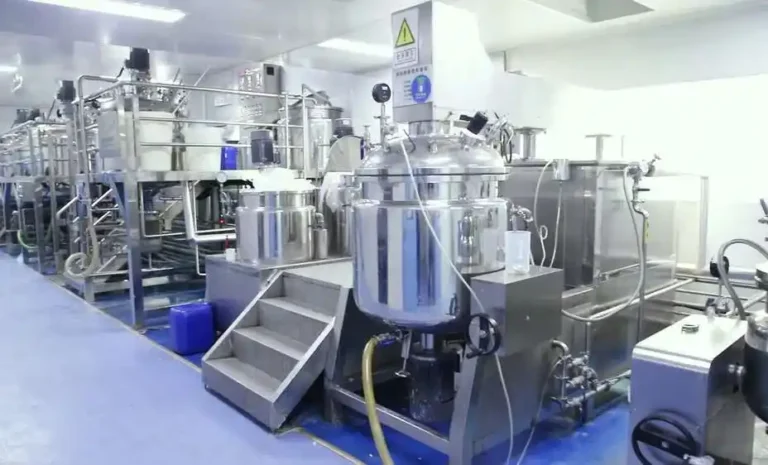
We move fast because we built for it: a big formula bank, a lab that actually picks up the phone, and a factory team that knows sku harmonization, retain management, and version control. This ain’t fluff. It’s what keeps your line shipping.
Micro FAQ
“My oil roll-on smells sweeter than the spray.” Yep—oil rounds the edges and mutes citrus lift. If you want parity, we’ll brighten the top in the oil build or bump the solvent mix to help lift.
“Same name candle vs room spray don’t match.” Different IFRA categories and solvent systems. We’ll harmonize the core accord, then split two optimized builds.
“New batch feels thinner.” Could be a compliance tweak or a natural crop shift. We check both, then re-balance or propose a fixative micro-add that stays compliant.
“It doesn’t last on me.” Try fabric vs skin. If fabric wins, we’ll consider a low-odor fixative or top-note re-dosage in your EDP; also, some folks have musk anosmia, so don’t sweat it.
“Can I just use one formula for everything?” You can, but don’t. Scene-built formulas outperform. Let’s do EDP / candle / reed as three tuned siblings, same family vibe.
Our team of 20+ senior perfumers leverages a vast library of 40,000+ formulas to deliver expert customization and scent replication with up to 98% accuracy. As premier perfume oil manufacturers, we bring your most complex fragrance concepts to life with precision.
Industry-Leading Speed
We empower your business with industry-leading speed. Samples are ready in just 1-3 days, mass production takes only 3-7 days, and our low 5kg MOQ allows you to test the market quickly and without risk, solidifying our role as agile fragrance oil suppliers.
Certified Quality & System Assurance
Our quality is built on trust and technology. We are fully certified with IFRA, ISO, GMP, and Halal, and our advanced ERP system guarantees complete traceability and batch-to-batch consistency, making us your reliable perfume raw materials supplier.