If you’ve ever tried to launch an Eau de Parfum and thought, “It’s just fragrance + alcohol… how hard can it be?”—yeah, that’s where projects start to wobble.
Because “EDP base” isn’t one simple thing. It’s a whole system. And the brands that treat it like a system usually ship on time, hit the smell they promised, and keep batch-to-batch steady. The brands that don’t… end up chasing haze, weak lift, weird drydown, and angry QA emails.
Let’s break it down in plain English, with the stuff buyers actually care about: performance, stability, compliance, repeatability, and speed.
EDP base definition
People say “EDP base” in two different ways. If you don’t clear this up early, your brief gets messy fast.
EDP base as an alcohol–water base
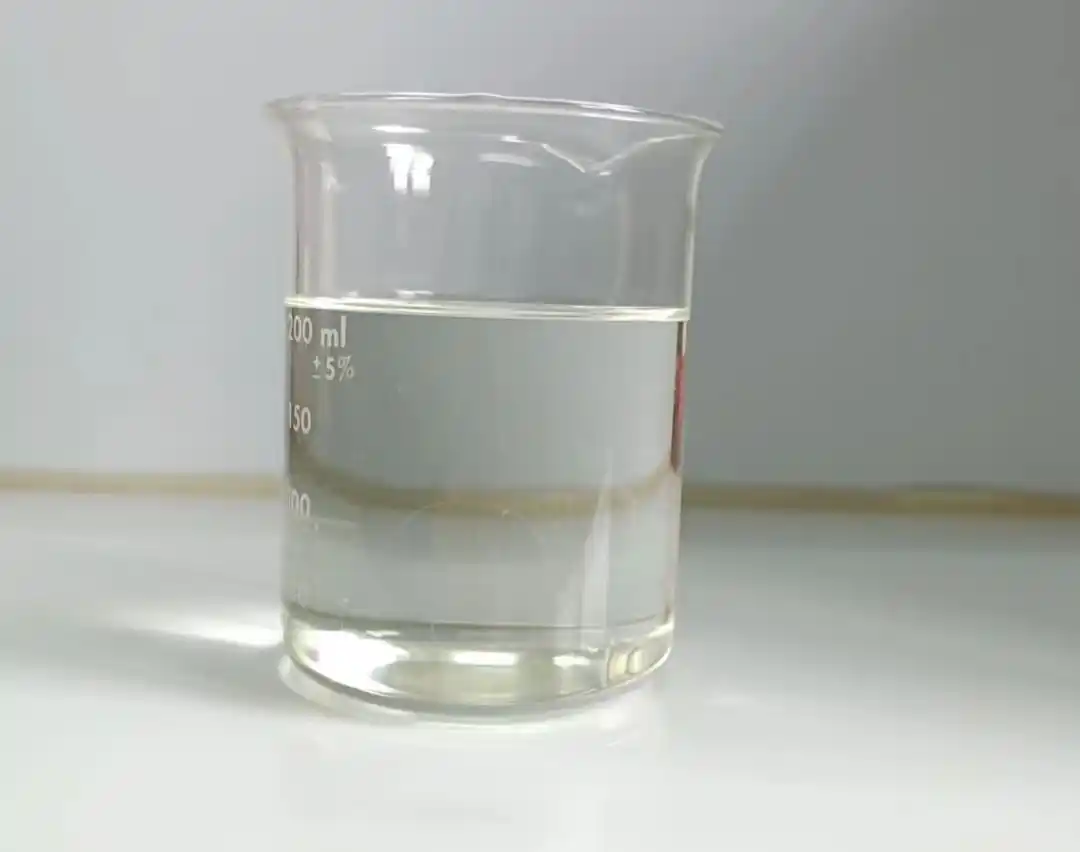
This is the carrier. Think: ethanol + a bit of water, plus whatever the formula needs to keep the “juice” clean, stable, and sprayable.
Brands care because carrier choice can change:
top-note sparkle (lift)
drydown feel (harsh vs smooth)
clarity (no haze)
long-term stability
EDP base as a fine fragrance concentrate base
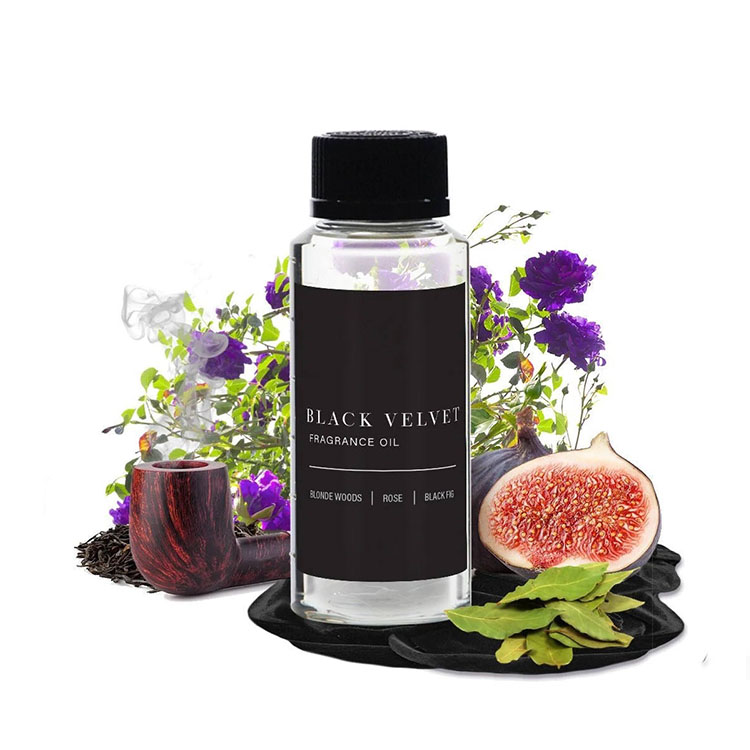
This is a pre-built fragrance backbone you can customize. It’s not “finished perfume.” It’s more like a ready scaffold—an accord structure that brands tweak for line extensions and fast launches.
Example: Amber Wood EDP Base is built to anchor Eau de Parfum builds with an amber-woody profile, then you mod it depending on your brand direction. Link: Amber Wood EDP Base
That “base concentrate” approach is common in OEM/ODM pipelines because it cuts sampling loops and keeps the smell consistent when you scale.
Eau de Parfum concentration ranges
No, there’s no single law that says “EDP must be exactly X%.” But the market behaves like there is. So you start with typical bands, then tune for your category, region, and performance KPI.
Here’s a simple compass teams use:
Format name
Typical aromatic load (ballpark)
What it feels like in the real world
Eau de Toilette (EDT)
~8–12%
lighter, brighter, faster fade
Eau de Parfum (EDP)
~15–20%
stronger body, good trail, balanced wear
Parfum / Extrait
~20–30%
dense, slow burn, close-to-skin power
One more thing: you don’t win by pushing concentration blindly. Sometimes higher load just makes the top notes collapse, or turns the opening muddy. More isn’t always better. More is just… more.
Alcohol–water base vs oil base
If your brand sells “EDP,” you’re usually in alcohol–water territory. That base gives you the classic spray experience: quick flash, bright lift, and that clean diffusion in the air.
Oil format behaves different. It sits closer to skin and evaporates slower. It can boost longevity, but it won’t give the same “sparkle” on first spray. That’s why some brands do layering: oil first, then 1–2 EDP sprays on top. Simple trick, big payoff. Dont overdo it tho.
If you’re building a fine fragrance line, check this section on format thinking: Link: Perfume Oils vs Eau De Parfum
Solubility and turbidity in EDP base
This is the part that kills launches. Not because it’s “hard,” but because teams ignore it until it shows up in finished goods.
The common pain points buyers describe
“It looked clear in lab, but bulk turned cloudy.”
“It’s fine at 25°C, but hazes in winter shipping.”
“We changed one material and now it’s got sediment.”
“The scent is right, but the juice looks cheap.”
That’s turbidity. Haze. Cloudiness. Whatever you call it, customers notice. Retail staff notice even more.
What usually causes haze
some aroma chemicals don’t love water
temperature swings (cold shock)
too much of certain solvents/boosters
incompatible fixatives or musks
filtration issues (filterability is a real KPI, not a vibe)
DPG, TEC, triacetin (and why buyers argue about them)
These aren’t magic “longevity buttons.” They’re tools.
DPG (Dipropylene Glycol): common, low-odor, helps solubility in some systems. But it can also bring haze in certain mixes. Some brands avoid it for positioning reasons.
TEC (Triethyl Citrate): often used when a brand wants a “cleaner” story. It can work well, but you still need compatibility checks.
Triacetin: useful in some cases, but can behave differently with water content and temperature.
You don’t pick these from a blog checklist. You pick them because your formula needs them. And you confirm with stability tests.
A practical stability checklist (the stuff QA will ask anyway)
Problem showing up
What to check
Typical fix direction (not one-size)
What to ask your supplier
haze after filling
water ratio, solubility curve
adjust carrier balance, swap a problem material
“Any known incompatibilities? Clear-base friendly?”
haze during shipping
cold stability, freeze-thaw
chill test + filtration plan
“Have you run cold stability on this system?”
sediment / crystals
oversaturation, temperature
reduce load of a culprit, re-balance base
“What’s the saturation limit in this base?”
harsh opening
alcohol bite, top-note burn
tweak carrier, smooth with structure mods
“Can we soften lift without killing diffusion?”
Notice what’s missing: “just add more fixative.” That’s how you wreck the profile and still fail stability.
IFRA, SDS, COA, and batch-to-batch consistency
If you’re a brand buyer, you’re not only buying smell. You’re buying paperwork, repeatability, and fewer surprises.
Here’s the reality: the prettiest blotter means nothing if you can’t ship compliant product across regions, or if batch #2 smells “kinda off.”
So brands normally lock these items early:
IFRA compliance support
SDS/MSDS
COA
traceability
batch-to-batch consistency
This is where manufacturing systems matter. An ERP-backed process helps you track raw materials, blend history, and lot control so you don’t play detective later.
If you want a quick view of how I’Scent frames quality + traceability, start here: Link: Fragrance Oils Link: About I’Scent
How brands customize an EDP base
Customization isn’t “make it unique.” That’s vague. Real customization means you change the right levers without breaking performance, stability, or compliance.
Fragrance brief (the part people skip)
A usable brief answers:
who’s the customer, and what do they already own?
what’s the olfactive family and texture (dry, creamy, airy, syrupy)?
what’s the performance KPI: trail, longevity, lift, or all three?
what’s the region + compliance constraints?
what’s the launch window (be honest)
If the brief is fuzzy, you’ll get endless mods. And every mod costs time.
Signature accord (so your line doesn’t drift)
Brands that scale well don’t copy-paste one formula into everything. They build a signature accord—your olfactive DNA—and then adapt it per format.
Mod strategy (how to change smell without breaking the juice)
In fine fragrance projects, the cleanest customization moves are usually:
opening tuning: brighter citrus, sharper spice, more “spark”
heart shaping: cleaner florals, more diffusion, less sweetness
drydown control: drier woods, softer musks, more “skin feel”
You’ll hear industry folks call this “mods,” “profile tuning,” or “line extension work.” Same idea.
Scale-up (lab to bulk without surprises)
A base that smells perfect at 200g can still fail at 25kg+ if you don’t plan:
mixing order
maceration window
filtration plan
packaging interaction (yes, cap liners can matter)
stability under heat/cold
This is why brands often start from a stable concentrate base, then customize. It’s faster, and it de-risks the boring failures that ruin timelines.
I’Scent OEM/ODM workflow for EDP base projects
If you’re building EDPs (or a whole scent portfolio), you want a partner that speaks buyer language: brief → mods → compliance pack → production → OTIF.
I’Scent is set up for that workflow:
20+ senior perfumers
40,000+ formula library
up to 98% fragrance duplication accuracy
samples in 1–3 days
production in 3–7 days
low MOQ for many items, and higher MOQ for full custom (typical for custom work)
And if you want to start with fine fragrance options (including base-style concentrates), go here: Link: Fine Fragrance
When you’re ready to move from “talking about it” to sampling, just use the contact page. Keep your brief simple. We’ll tighten it together. Link: Contact I’Scent
Our team of 20+ senior perfumers leverages a vast library of 40,000+ formulas to deliver expert customization and scent replication with up to 98% accuracy. As premier perfume oil manufacturers, we bring your most complex fragrance concepts to life with precision.
Industry-Leading Speed
We empower your business with industry-leading speed. Samples are ready in just 1-3 days, mass production takes only 3-7 days, and our low 5kg MOQ allows you to test the market quickly and without risk, solidifying our role as agile fragrance oil suppliers.
Certified Quality & System Assurance
Our quality is built on trust and technology. We are fully certified with IFRA, ISO, GMP, and Halal, and our advanced ERP system guarantees complete traceability and batch-to-batch consistency, making us your reliable perfume raw materials supplier.