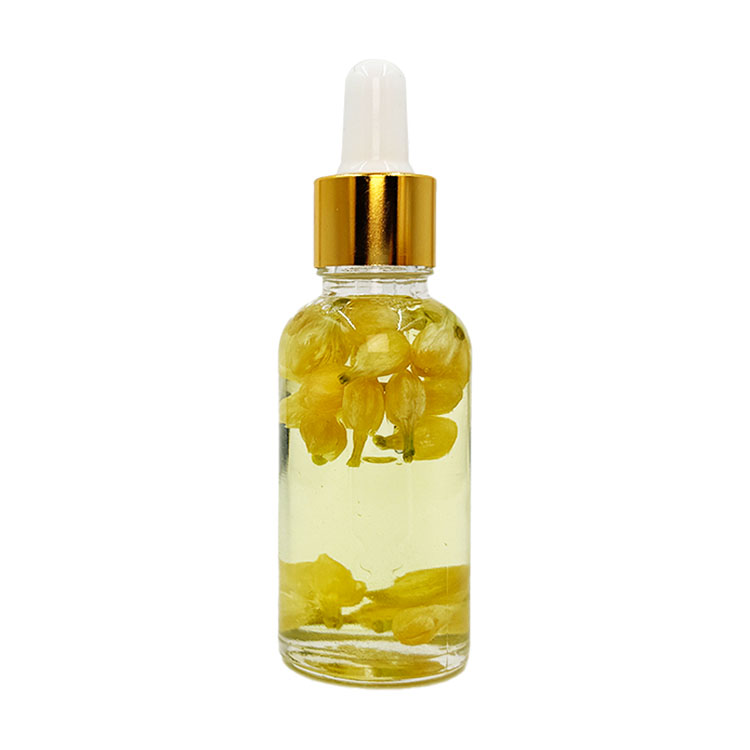
Unifying scent across a haircare line: standardizing one hero scent
Most haircare brands do not have a true hero scent. They have a naming convention. This piece explains how to standardize one olfactive identity across incompatible bases, what real brands get right, and where fragrance strategy usually breaks.
Most brands cheat. They call four loosely related fragrances “the same scent,” then act surprised when the shampoo smells sparkling and thin, the mask smells creamy and flat, the leave-in smells alcoholic, and the scalp serum smells medicinal because the base chemistry, dosage ceiling, and deposition mechanics were never aligned in the first place. Is that consistency?
I’ve watched this happen more times than I care to admit. Marketing approves a strip. Ops approves a cost. Regulatory approves a document. Then the consumer opens three SKUs and smells three different brands wearing one logo. That is the hard truth I wish more founders heard early.
And timing matters. According to Circana’s August 2024 prestige beauty report, U.S. prestige beauty hit $15.3 billion in the first half of 2024, up 8%, while fragrance was the fastest-growing prestige category with 12% dollar growth. When scent is driving that much value, haircare brands cannot afford sloppy fragrance architecture anymore.
So I’m going to say the impolite part out loud: a signature scent for hair products is not a perfume idea first. It is an operations standard, a formula discipline, and a memory system that has to survive surfactants, quats, silicones, heat, packaging, and paperwork. Why do so many teams still treat it like a mood board?
Table of Contents
One scent, four chemistries, zero forgiveness
The base decides what survives
Chemistry bites back. A rinse-off shampoo built on SLES, APG, and betaine does not carry fragrance the way a conditioner or mask built on BTMS-25/50, behentrimonium, cetrimonium, dimethicone, or amodimethicone does, and pretending otherwise is how “one hero scent” becomes a mess of drift, haze, dullness, or weak dry-down across the line. Why pretend otherwise?
That is why the best internal links on this site are not random. They map the actual path a buyer would need: start with a broad hair care fragrance supplier overview, compare a shampoo-specific build like Shampoo-Safe Green Tea, contrast it with a conditioner-focused profile like Conditioner-Safe White Musk, then read the technical framing in personal care fragrance oils. That sequence makes sense because it follows formula reality, not blog vanity.
Here is the framework I use when I want scent consistency across a product line without wrecking performance:
SKU type
Base reality
What usually warps the scent
How I keep the hero scent recognizable
Non-negotiable test
Clear shampoo
Anionic/amphoteric surfactants, high water, clarity-sensitive
Citrus top notes vanish fast; haze or color shift shows up early
Keep the core accord clean and bright; reduce heavy resins; tune for wet bloom + next-day hair sniff
Clarity, viscosity, 4-week stability, wet/dry scent match
Conditioner / mask
Cationic emulsions, richer deposition, cream base
Musk/wood notes get louder; florals can turn powdery
Hold the same heart accord, but rebalance top lift so the dry-down still feels like the same family
Emulsion stability, residue, dry-down on towel-dried hair
Leave-in / serum
Silicone, alcohol, or solubilized system
Alcohol spike or silicone muting distorts the opening
Use a lighter diffusion profile and lock identity in the heart/base, not the first 10 seconds
Actives, botanicals, sometimes menthol-like facets
Actives bully delicate notes
Build the hero scent around a controlled masking strategy, not a pretty strip smell
Compatibility with actives, pack odor, after-rub scent
I’m opinionated here. The consumer does not need every SKU to smell identical on first spray. The consumer needs every SKU to read as the same brand family inside two seconds of use and again six hours later on hair.
Compliance is where lazy scent systems die
Paperwork matters. The site’s own IFRA-compliant supplier guide makes a point many buyers still miss: you do not magically “get certified by IFRA”; the supplier issues an IFRA Certificate for a given fragrance and product type, and those limits change across use cases. Put simply, your shampoo dose window is not your leave-in dose window. Isn’t that the first thing a serious buyer should ask?
And regulation is tightening around disclosure. The U.S. government’s Spring 2024 rulemaking entry for fragrance allergens in cosmetic labeling states that FDA is proposing to identify certain substances as fragrance allergens and require their disclosure on cosmetic labels under RIN 0910-AI90, with the statutory deadline for the NPRM listed as June 29, 2024. A brand that standardizes scent without standardizing documentation is building recall risk into the line.
The market already told you what works
Brands leave clues. And the funny thing is, the premium players are far more honest about the hero-scent playbook than most private-label decks.
Take Oribe’s Côte d’Azur Eau de Parfum. Oribe flat-out says the “much-celebrated signature scent for our hair care line” became the foundation for a fine fragrance, with notes of Calabrian bergamot, white butterfly jasmine, and sandalwood. That is not accidental. That is brand memory being monetized on purpose.
Then look at OUAI’s Melrose Place collection. On the collection page, the scent stretches across Fine Hair Shampoo $32, Fine Hair Conditioner $32, Super Dry Shampoo $30, body products, and a Melrose Place Eau de Parfum at $64. The perfume page defines the accord as bergamot, lychee, white musk, champagne, peony, rose, freesia, jasmine, amber, sandalwood, and cedarwood. That is what a real unified brand scent looks like: one readable olfactive identity, many formats, many price ladders.
And Sol de Janeiro’s Cheirosa 62 Perfume Mist is even more blunt. The brand prices the mist at $39 for 240 ml, states that Cheirosa 62 is its signature scent, and says that the same fragrance appears in Brazilian Bum Bum Cream, Brazilian Glossy Nourishing Hair Oil, Triple Brazilian Butter Hair Repair Treatment, and Brazilian Joia Milky Leave-In Conditioner, among other products. That is the exact commercial logic behind a hero scent: one accord, repeated consumer recognition, easier cross-sell.
So no, I do not buy the excuse that “haircare is too technical” for one haircare line fragrance to hold together. Luxury and masstige brands are already doing it. The teams that fail usually are not under-creative. They are under-disciplined.
Why procurement can wreck the whole thing
Margins get ugly. Fragrance houses and ingredient suppliers do not operate in a fairy tale, and any brand standardizing one scent across eight or twelve SKUs is concentrating spend into a strategic input that can get disrupted by pricing pressure, quality variance, or supplier behavior. Did you think the romance part was the hard part?
Reuters reported in June 2024 that the European Commission fined IFF and its French affiliate €15.9 million ($17.05 million) for obstructing an inspection in an ongoing investigation into a suspected cartel in the supply of fragrances and fragrance ingredients, and said the wider probe opened in March 2023 was still ongoing. If your entire hero-scent architecture depends on one under-vetted sourcing arrangement, that is not a brand moat. That is an exposure.
I’m not saying panic. I’m saying stop buying a hero scent the way you buy a generic lemon oil for hand soap.
And there is another limit founders need to hear. The USPTO’s guidance on scent marks says scent marks are never inherently distinctive, always require acquired distinctiveness, and scents that serve a utilitarian purpose are functional. In other words, your signature fragrance for hair products may become a potent brand asset, but it usually will not become the kind of airtight legal monopoly many founders fantasize about.
My playbook for standardizing one hero scent without burning months
Start tighter. I would brief a fragrance partner with one fixed core accord, not one fixed finished formula. That distinction is where smart projects pull ahead.
Here is the model I trust:
1 Lock the olfactive spine
I build one stable identity block first: usually a recognizable heart-and-base structure that survives rinse-off and leave-in formats. Tops are negotiable. Memory is not.
2 Allow base-specific mods, but cap the drift
I like a 70/20/10 rule. Roughly 70% of the scent identity stays fixed, 20% can flex for base behavior and deposition, and 10% is your compliance and cost buffer. If the consumer says “same family, same brand, slightly different texture,” you won. If they say “same color bottle, different smell,” you lost.
3 Write one brief, then force it through ugly systems
This is where a good bespoke perfume oil development process matters. I want the same hero scent tested in a clear shampoo, a rich conditioner, a leave-in, and one active-heavy SKU before anyone celebrates. Otherwise, you are evaluating fantasy.
4 Demand a documentation matrix, not a sales promise
Ask for product-type-specific IFRA positions, SDS, COA, allergen support, and a line-by-line usage matrix. The site’s cosmetic fragrance supplier page and common QA tests guidance are the right direction here, because the argument is not “trust us, it smells good.” The argument is “prove it survives formula, shipping, and repeat production.”
5 Decide what your consumer must remember
This part gets ignored. Is the hero scent supposed to read clean musk, green tea spa-fresh, warm gourmand, or rose-luxe? Pick one. I’d rather own one clean, memorable signal than stuff twelve notes into a pyramid and call it sophistication. More notes do not mean more identity. Usually they mean more drift.
FAQs
What is a hero scent in a haircare line?
A hero scent in a haircare line is a deliberately repeated olfactive signature built from one recognizable core accord, then adapted within controlled limits for shampoo, conditioner, masks, leave-ins, and treatments so the consumer experiences one coherent brand smell despite different base chemistries, usage rates, and regulatory limits. That is the difference between a real signature scent and a loose fragrance theme.
How do you standardize one scent across shampoo and conditioner?
Standardizing one scent across shampoo and conditioner means fixing the same core olfactive identity, then rebalancing the formula for anionic shampoo systems and cationic conditioner systems so clarity, deposition, diffusion, color, and dry-down all stay within a defined recognition window instead of copying the exact same concentrate blindly. That is why shampoo and conditioner usually need sister formulas, not identical fragrance loads.
Can a signature scent for hair products be trademarked?
A signature scent for hair products can sometimes function as a trademark in theory, but in practice U.S. rules say scent marks are never inherently distinctive, require acquired distinctiveness, and fail when the scent serves a utilitarian purpose, which is why most product fragrances remain brand assets rather than defensible scent monopolies. So yes, protect the brand around the scent; no, do not build the business on the fantasy that the smell itself is easy to lock up.
What is the best way to brief a fragrance house for a unified brand scent?
The best way to brief a fragrance house for a unified brand scent is to define one core accord, list every SKU and base type, state dosage targets, name banned ingredients or allergen limits, and require side-by-side pilot testing so the supplier develops a controlled scent family rather than one strip-pleasant formula. I’d also add one more rule: ask for failure criteria up front. Teams move faster when they know what “off-brand” smells like before scale-up.
Your next steps
Do this now. Send your fragrance partner a short brief that asks for one hero scent, three base-matched variants, and one documentation matrix for shampoo, conditioner, and leave-in use.
I would ask for:
a fixed olfactive spine
separate dosage guidance by product type
IFRA, SDS, COA, and allergen support
stability checks for clarity, color, viscosity, and dry-down
a second-round mod if the scent family drifts beyond recognition
Our team of 20+ senior perfumers leverages a vast library of 40,000+ formulas to deliver expert customization and scent replication with up to 98% accuracy. As premier perfume oil manufacturers, we bring your most complex fragrance concepts to life with precision.
Industry-Leading Speed
We empower your business with industry-leading speed. Samples are ready in just 1-3 days, mass production takes only 3-7 days, and our low 5kg MOQ allows you to test the market quickly and without risk, solidifying our role as agile fragrance oil suppliers.
Certified Quality & System Assurance
Our quality is built on trust and technology. We are fully certified with IFRA, ISO, GMP, and Halal, and our advanced ERP system guarantees complete traceability and batch-to-batch consistency, making us your reliable perfume raw materials supplier.