Spa and Hotel Scent Projects: Designing Fragrance Around the Guest Journey
Hotels don’t “add scent.” They run a chemical, brand, and operations program—whether they admit it or not. Here’s how to design it around the guest journey without triggering complaints, residue, or regulatory headaches.
Smell sells rooms. Hotel scent marketing only works when you treat it like a system—creative brief + diffusion physics + operations discipline + documentation—because the moment you “just pick something that smells nice,” you end up with guest complaints, housekeeping blame, and a lobby that alternates between “luxury” and “car air freshener” depending on HVAC load and humidity. So why do so many properties still run scent like an afterthought?
I’m going to say the quiet part out loud: most “signature scent for hotels” projects fail because they’re designed for a blotter strip, not a building. And buildings are messy. Doors open. Elevators burp air. Spa steam rooms spike RH. Housekeeping sprays compete. Laundry chemistry leaves its own trail. Your fragrance isn’t living in a lab; it’s fighting for oxygen in a real operating environment.
Table of Contents
The hard truth about “signature scents” in hospitality
A signature scent is not one formula. It’s a repeatable identity across multiple delivery engines—HVAC diffusion, cold-air nebulizers, room sprays, linens, amenity bases, even lobby candles if you’re brave. This is exactly why I prefer a “signature accord + rules” approach over a single precious blend, because you’ll need the same recognizable core to survive different substrates and dosages without drifting into “different hotel, different smell.” That “portfolio thinking” is spelled out plainly in I’SCENT’s own breakdown of scaling from one scent into a full system: building a brand signature scent from one fragrance to a full portfolio.
And yes, drift is real. Guests don’t say “your aldehydes oxidized.” They say “this place smells cheap now.”
Guest journey scent mapping (what operators should actually do)
Here’s the framework I trust because it aligns with how people move, not how marketers wish they move.
1) Arrival / curb / porte-cochère Don’t overdo it. You want recognition without “sillage shock.” Use brighter, cleaner top architecture—citrus, airy aromatics—then back it down fast. If the first five seconds scream, the rest of the stay is an uphill fight.
2) Lobby / check-in This is where olfactory branding for hospitality earns its keep. It’s the memory stamp zone. The Washington Post reported Edition Hotels using a Le Labo “black tea” scent pumped through the hotel, and it name-checks properties like the Bellagio using scent as part of the experience. Read it skeptically, but read it: Hotels are pumping in signature scents. Here’s why.
3) Elevator + corridors Corridors are where scent programs quietly die. Why? Low air movement, lots of fabric, and high risk of “stale perfume” build-up. Use lighter diffusion here, or you’ll create a scented tunnel that guests can’t escape.
4) Guest room This is not the lobby. Guests want control. If you force a strong room scent, you’ll get negative reviews from the exact people who pay attention to details. The safer play is subtle background + touchpoint scent (linen, amenities) rather than a heavy continuous blast.
For product-side execution, think in supply-chain terms: a dependable diffuser fragrance oil manufacturer matters less for “nice notes” and more for consistent batches, IFRA paperwork, and stability across devices.
5) Spa zones (treatment rooms vs wet areas) Spa scent design is humidity warfare. Steam, wet towels, hot stones—everything changes volatility. If you spray mist in a lobby at 45% RH and then run the same approach at 65% RH near spa wet areas, your droplet behavior and deposition shift. If you want the physics version (and you should), this is worth the five minutes: mists/nebulizers, evaporation curve & fall-out.
6) F&B (bars, breakfast, restaurant) This is where I get unpopular: scenting near food is usually a bad idea. You risk suppressing appetite cues, contaminating flavor perception, and making the chef hate you. If you must, keep it zone-separated and low.
7) Departure Do not introduce a new scent at checkout. Reinforce the same core accord lightly so the “last memory” matches the “first memory.” Consistency beats novelty.
Ambient scenting systems: pick your engine, then design the oil
If you treat “ambient scenting systems” as interchangeable, you’ll pay for it later.
HVAC integration / cold-air diffusion: Great for consistency, dangerous for overreach. One setting mistake and you’ve scented an entire floor plus the meeting rooms.
Standalone cold-air nebulizers: Better zoning control, more visible maintenance points.
Ultrasonic: Adds moisture; can be fine in some contexts, annoying in others.
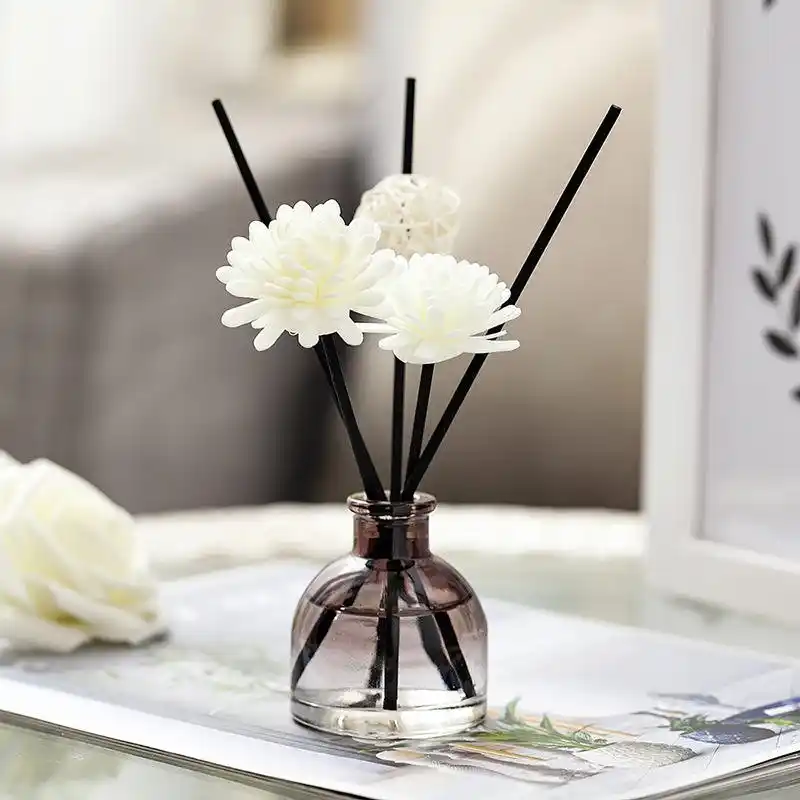
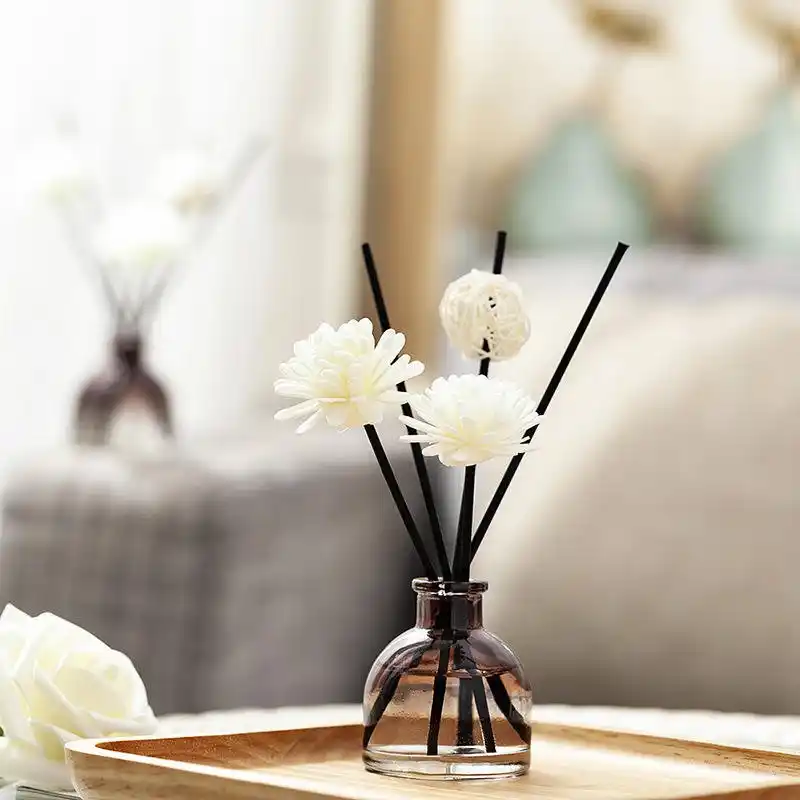
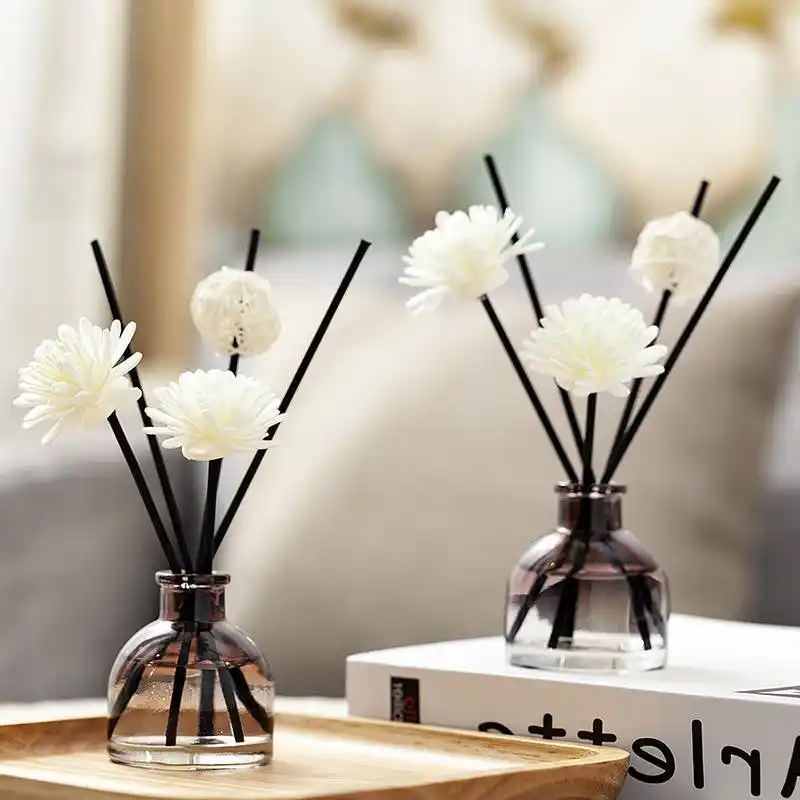
Passive (reed / sachet): Low drama, low precision, often better for corridors or small lounges.
Candles/wax warmers in rooms: Cozy, but you’re also introducing combustion or heated emissions. That’s not “just vibes,” it’s chemistry.
If you want a “hotel fragrance manufacturer” who’s used to building around lobbies and property-wide programs, start here and work backwards into the deployment plan: custom lobby scents and hotel fragrance oils.
The part everyone avoids: indoor air, VOCs, and why complaints cluster in “stuffy” spaces
You can have the best scent in the world and still get crushed by ventilation reality.
A 2023 peer-reviewed study in Environmental Science: Processes & Impacts tested plug-in fragrance diffusers across 60 homes and found that in the lowest ventilation quartile, diffuser use produced statistically significant increases in detectable fragrance VOCs; alpha-pinene rose from a median 9 μg/m³ to 15 μg/m³ (p < 0.02). Is a hotel a home? No. But the lesson is painfully transferable: low air exchange + continuous fragrance output = higher exposure and louder complaints.
Now zoom out to ingredient complexity. A 2024 paper in Building and Environment points out that fragranced consumer products can contain “more than 2,600 individual ingredients,” and many are not required to be listed on labels under U.S. law. That’s why I’m allergic (pun intended) to vague procurement like “fresh linen scent, IFRA compliant, please.” You need documentation. You need batch discipline. You need to know what you’re putting into shared air.
And if you’re selling spa amenities or branded products in the EU, you can’t ignore regulation. The EU’s Commission Regulation (EU) 2023/1545 (July 26, 2023) explicitly ties fragrance allergens to contact allergy and estimates 1–9% of the Union population is allergic to fragrance allergens; it also expands individual labelling requirements and sets thresholds (0.001% leave-on, 0.01% rinse-off) for when allergens must be named. That’s not a vibe. That’s a compliance program.
Case studies that actually tell you something (not just “luxury” adjectives)
Here are three examples worth dissecting because they reveal mechanics:
Edition Hotels (Le Labo black tea scent): The Washington Post describes Edition Hotels diffusing a Le Labo black-tea fragrance throughout properties—classic “signature scent” deployment meant to create immediate brand recognition.
Bellagio (Bergamot, orange blossom, clove, sandalwood): Same article notes Bellagio’s blend; it’s a reminder that casinos/hotels often use scent as part of environment control, not just branding.
Hyatt Place “Seamless” (blueberries + florals on vanilla/musk base): Business News Daily (updated Jan 24, 2024) states Hyatt Place uses a signature scent called “Seamless” across properties, with blueberries and floral notes on vanilla and musk. Scent Marketing: How Smell Affects Customer Spending
One more data point I liked because it’s operational, not poetic: the Washington Post reports Presidio Lodging’s repeat-guest rate increased from about 25% to 45% after implementing its scent program. Correlation isn’t causation. But it is a signal that scent can support loyalty when it’s executed consistently and doesn’t annoy people.
The comparison table operators wish they had before signing a scent contract
Hotel scent marketing is the planned use of ambient fragrance—delivered through HVAC, nebulizers, or touchpoints like linens and amenities—to shape perception of cleanliness, luxury, and memory across a property, with controls and documentation that keep intensity consistent and compliant for guests with sensitivities. It’s less “air freshener,” more operations + brand engineering. If you can’t measure it, you can’t manage it.
How do you create a signature scent for a hotel?
A hotel signature scent is a repeatable scent identity built from a core accord and scaling rules so the same recognizable DNA survives different delivery methods—lobby diffusion, corridors, linens, and amenities—without drifting in intensity, character, or compliance across batches and spaces. Start with a brief tied to brand adjectives and building realities, then validate it in real zones before rollout.
What is olfactory branding for hospitality?
Olfactory branding for hospitality is the deliberate use of scent as a brand cue—like color, typography, or music—designed to trigger recall and emotional association at specific guest moments (arrival, check-in, spa calm, bedtime), while staying subtle enough to avoid irritation or “forced exposure” backlash. The brand win is recognition; the operational win is consistency.
What are ambient scenting systems?
Ambient scenting systems are devices and distribution setups that diffuse fragrance into indoor air—via HVAC integration, cold-air nebulization, ultrasonic diffusion, or passive release—so a space carries a controlled background aroma rather than relying on sprays or candles, which create spikes and uneven coverage. Choose the engine first, then formulate for it.
What is guest journey scent mapping?
Guest journey scent mapping is the process of assigning scent goals and intensity levels to each step of the guest path—arrival, lobby, elevator, corridors, room, spa, and departure—so fragrance supports the experience without becoming constant noise or causing “scent fatigue” and complaint hotspots in low-ventilation areas. It’s brand design with an operations backbone.
What are the best scent marketing strategies for hotels?
The best hotel scent marketing strategies combine a signature accord, tight zoning, conservative intensity, and compliance-grade documentation—then reinforce the same scent identity through low-conflict touchpoints (linens, amenities) instead of blasting high-output diffusion everywhere, especially in stuffy spaces where VOC exposure and complaints cluster. Consistency beats strength. Always.
Conclusion
If you’re serious about “designing fragrance around the guest journey,” stop shopping for a smell and start building a system: define zones, pick delivery tech, set a documentation standard, then develop (or match) oils engineered for that reality. For sourcing and custom development, you can start with I’SCENT’s hotel lobby scent customization or speak directly with their team via Contact I’SCENT.
Our team of 20+ senior perfumers leverages a vast library of 40,000+ formulas to deliver expert customization and scent replication with up to 98% accuracy. As premier perfume oil manufacturers, we bring your most complex fragrance concepts to life with precision.
Industry-Leading Speed
We empower your business with industry-leading speed. Samples are ready in just 1-3 days, mass production takes only 3-7 days, and our low 5kg MOQ allows you to test the market quickly and without risk, solidifying our role as agile fragrance oil suppliers.
Certified Quality & System Assurance
Our quality is built on trust and technology. We are fully certified with IFRA, ISO, GMP, and Halal, and our advanced ERP system guarantees complete traceability and batch-to-batch consistency, making us your reliable perfume raw materials supplier.