“Natural-style” hair scents aren’t automatically safer—they’re just marketed that way. Here’s how pros build citrus/herbal/woody profiles that survive allergen rules, avoid obvious irritants, and still smell premium.
Scent sells fast. And in haircare, it sells twice: first at the shelf (or PDP scroll), then again in the shower when the lather blooms and your brain decides—irrationally but reliably—whether the formula “worked,” even before you feel the conditioning slip. So why are so many “natural” hair fragrances still a liability?
Let’s get the hard truth out: “natural-style” usually means essential-oil-coded, not necessarily lower risk. Citrus oils carry allergens. Herbals carry allergens. Woody notes can hide allergens too. The difference is whether you treat that reality like chemistry… or like a mood board.
Table of Contents
What “safer” actually means in 2026 hair scent work
I’m going to use “safer” the way regulators and insurers use it, not the way Instagram uses it: lower sensitization potential per use-case, better documentation, cleaner execution, fewer “why is this on my scalp?” surprises.
In Europe, the compliance direction is already on the table: Regulation (EU) 2023/1545 expands and tightens fragrance allergen labeling rules, with threshold triggers at 0.001% for leave-on and 0.01% for rinse-off, plus a long transition window that ends July 31, 2026 and July 31, 2028 depending on product status. That’s not vibes; that’s math and deadlines.
California? It’s not sleepy either. The California Safe Cosmetics Program is openly telling companies it updated reporting guidance around newly added fragrance allergens. If you sell nationally, you don’t get to pretend California is “someone else’s problem.”
And if you still think “fragrance issues are mostly adult drama,” read this slowly: a 2024 George Mason University report on a first-of-its-kind study links children’s use of products including hair oils and hair conditioners with higher urinary levels of phthalates and phthalate replacements, based on data from 630 children ages 4–8 across 10 U.S. sites. That’s not a fragrance-only story—but it’s a carrier-and-exposure story, which is exactly where hair scent sits.
Now we can talk about building citrus/herbal/woody combos that behave.
The “natural hair fragrance” trap: the same allergens, just cuter packaging
Three words: limonene, linalool, citral. Those are common fragrance allergens that show up all over “clean” citrus/herbal profiles, and they’re explicitly named in the EU allergen context. SGS summary list & thresholds.
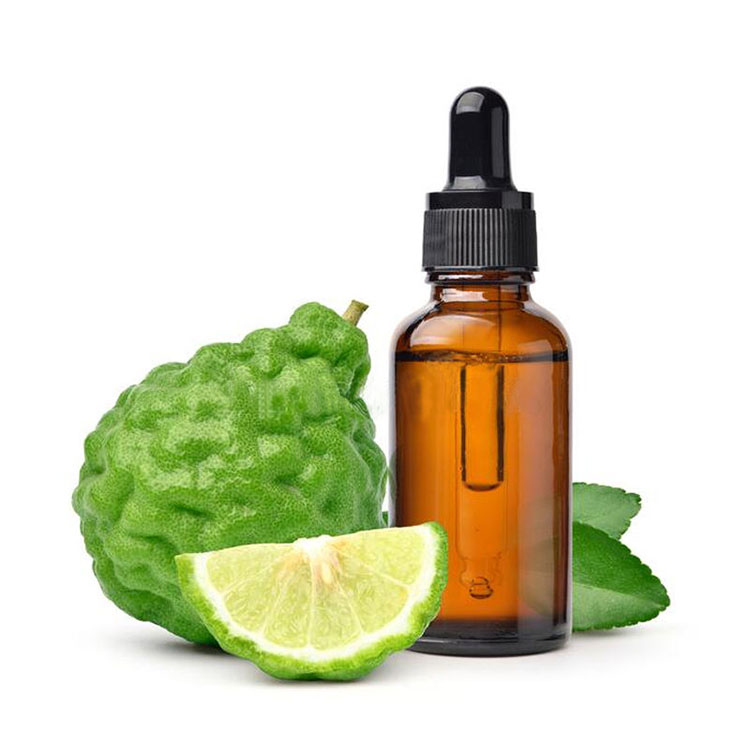
And citrus has another problem: phototoxicity. Expressed bergamot can contain bergapten (5-methoxypsoralen, C₁₂H₈O₄)—the molecule behind “why did my skin react after sun?” risk stories. Hair is not skin, sure. But hair mists and leave-on scalp products turn your “hair scent” into a leave-on cosmetic exposure pathway.
So here’s my unpopular opinion: if your natural hair perfume (hair mist) is built on “raw” expressed citrus oils because it sounds artisanal, you’re borrowing trouble.
Do you want a clean signature… or a clean lawsuit?
The structure that works: citrus lift + herbal clarity + woody stay
The best citrus/herbal/woody fragrance notes for haircare don’t try to be a botanical encyclopedia. They behave like an engineered accord with guardrails:
Top (citrus): brightness, diffusion, instant “clean”
Base (woody): longevity, softness, “expensive” drydown
If you want a ready-made reference point for what “hair-system compatible” means, browse how suppliers describe performance targets like clear-base stability and surfactant compatibility. Example: Shampoo-safe green tea fragrance oil frames the scent as green/citrus musky and explicitly calls out modern shampoo systems—this is the right direction for clean fragrance hair products that need to survive formulation reality, not just smell good in a blotter strip.
And if you’re building conditioner profiles, the base matters even more because cationic systems can “hold” musk/woods differently. A clean anchor like conditioner-safe white musk fragrance concentrate is basically a cheat code: you stop overloading the top notes just to get persistence.
Safer combo recipes (the ones I see winning in real briefs)
I’ll give you combinations that usually hit “natural-style” without falling into the most common traps.
This is your H1 combo in plain terms: bergamot rosemary cedarwood scent, done like an adult.
Use bergamot FCF (furocoumarin-free) instead of romanticizing expressed bergamot.
Keep rosemary airy (think 1,8-cineole lift) rather than camphor-heavy.
Cedarwood: go dry, pencil-shaving clean, not smoky.
If you want a woody base reference that’s already organized like a formula backbone, look at something like Amber Wood EDP Base—it’s not “natural,” but the architecture (bergamot top, cedarwood heart, sandalwood/amber base) is exactly how you get wear without turning haircare into perfume.
2) Lemon (distilled/terpeneless) + green tea + blonde woods (the “fresh towel” code)
This wins when brands want “clean” but not sharp.
A practical internal read: Designing clean skincare fragrances for Japan and Korea spells out why watery citrus + tea + soft musk signals “polite clean” in dense, scent-sensitive markets. That’s not trivia; it’s how you avoid over-projecting in haircare.
3) Grapefruit + clary sage + vetiver (the “grown-up citrus”)
Grapefruit can go bitter and modern fast, but it’s also a limonene delivery vehicle. The safety move is dosage discipline and rounding with woods, not pretending it’s harmless because it’s “natural.”
4) Petitgrain + lavender + cedar (the “barbershop without the detergent”)
Lavender is beloved. Lavender is also allergen-rich. You manage it by supporting it (petitgrain’s green twang, cedar’s dryness) instead of cranking it up until it screams.
Want a cleaner lavender reference point without the heavy sweetness? A product-style example is Lavender & Oat personal care fragrance oil—even though it’s positioned for soap stability, the “gentle spa-clean” profile is the type of lavender direction haircare brands keep asking for.
The table brands actually need: profile vs risk flags vs smart swaps
bitter top can read “solvent”; sage can go medicinal
soften with musks/woods; dose vetiver for dryness not smoke
hair mist, leave-on serum (low)
Petitgrain + Lavender + Cedar
calm, classic
lavender allergen load; “aroma therapy” overdose
build lavender as an accent; increase green/woody structure; avoid sugary bases
conditioner, scalp products (only if mild)
Citrus + Eucalyptus + Blonde Woods
shower-fresh, sporty
eucalyptus harshness; eye sting perception
lower cineole intensity; use watery lift and musks; test eye-area tolerability
shampoo/body wash cross-over
Documentation isn’t optional anymore (and I’m tired of pretending it is)
This is where “natural hair fragrance” marketing crashes into procurement reality.
If your supplier can’t produce SDS/COA and IFRA guidance, you’re not buying a fragrance strategy—you’re buying an argument with your compliance team later. That’s why internal resources like IFRA-certified cosmetic fragrance supplier overview matter: it’s not sexy, but it’s how brands ship at scale without nasty surprises.
And if you’re still sourcing by “smells like rosemary,” please don’t. That’s not romance. That’s negligence.
FAQs
What is “natural hair fragrance”?
Natural hair fragrance is a scent system for hair products that relies primarily on naturally derived aromatic materials (often essential oils or natural isolates) to create a pleasant smell, while still requiring the same safety controls—dose limits, allergen disclosure thresholds, and stability testing—as any fragrance used in shampoo, conditioner, or hair mist.
Most brands use “natural-style” to signal citrus/herbal/woody freshness, not to guarantee lower sensitization risk, because common allergens like limonene and linalool can still be present.
Are essential oils safer than synthetic fragrance in haircare?
Essential oils are not automatically safer than synthetic fragrance in haircare because they can contain high levels of regulated allergens (for example, limonene, citral, linalool) and, in some citrus cases, phototoxic compounds; “safer” depends on the specific constituents, concentration, product format, and exposure pathway.
In practice, many “clean fragrance hair products” reduce risk by using controlled isolates or carefully fractionated naturals rather than dumping in more essential oil.
What does “phthalate-free hair fragrance” mean in practical terms?
Phthalate-free hair fragrance generally means the fragrance system is formulated without certain phthalates historically used as solvents or fixatives (often cited as DEP/DBP/DEHP), but it does not automatically mean low-exposure overall because carriers, packaging, and multiple product use patterns can still drive measurable chemical exposure.
If you care about the claim, you also care about documentation, analytical testing, and what the finished product actually does in use.
What are the safest citrus/herbal/woody fragrance notes for shampoo and conditioner?
The safest citrus/herbal/woody fragrance notes for shampoo and conditioner are typically built from low-phototoxic citrus choices (e.g., FCF bergamot or distilled citrus), restrained herbal accents (rosemary/tea/sage used for clarity, not medicinal punch), and clean woody bases (cedar/blonde woods plus soft musks) that deliver longevity without high allergen overload.
If you want a practical starting point, look at structured hair-targeted profiles like a shampoo-safe green tea fragrance oil and then customize.
How to make hair smell good naturally without irritating the scalp?
To make hair smell good naturally without irritating the scalp, use low-load rinse-off fragrance in shampoo/conditioner, avoid phototoxic citrus materials in leave-on formats, prioritize fractionated or FCF citrus over raw expressed oils, and keep the leave-on path (hair mist, serums) within strict allergen-aware limits backed by IFRA guidance and basic irritation screening.
Translation: rinse-off can carry more scent safely than leave-on. Hair mist is where “natural-style” gets risky fast.
Conclusion
If you’re building a natural hair perfume (hair mist) or refreshing a shampoo line and you want citrus/herbal/woody combinations that won’t explode under compliance review, start with structure and documentation, not vibes. Browse the wholesale fragrance oils catalog, pull a clean backbone like conditioner-safe white musk, and benchmark a modern “clean” direction using Japan/Korea clean fragrance preferences.
Our team of 20+ senior perfumers leverages a vast library of 40,000+ formulas to deliver expert customization and scent replication with up to 98% accuracy. As premier perfume oil manufacturers, we bring your most complex fragrance concepts to life with precision.
Industry-Leading Speed
We empower your business with industry-leading speed. Samples are ready in just 1-3 days, mass production takes only 3-7 days, and our low 5kg MOQ allows you to test the market quickly and without risk, solidifying our role as agile fragrance oil suppliers.
Certified Quality & System Assurance
Our quality is built on trust and technology. We are fully certified with IFRA, ISO, GMP, and Halal, and our advanced ERP system guarantees complete traceability and batch-to-batch consistency, making us your reliable perfume raw materials supplier.