Sample rounds can feel like a treadmill. You start with energy, then you hit round 4 and everyone’s notes get vague: “Make it more premium,” “less sharp,” “more clean but also warmer.” That’s when timelines slip, teams argue, and your launch turns into a moving target.
Here’s the truth: you don’t cut rounds by “trying harder.” You cut rounds by removing ambiguity—before the first vial even ships. That means tighter inputs, cleaner feedback, better testing in the real base, and solid change control.
Below is a practical, repeatable way to lock a formula fast—without cutting corners.
If you’re building for specific product scenarios, these pages show what I’Scent supports:
Fragrance Brief: Lock the Inputs Before You Ask for Samples
Most “too many rounds” problems are brief problems. A soft brief forces the perfumer to guess. Then you react to the guess. Then your reaction becomes the next brief. That loop can go forever.
A brief you can execute makes the first submission much closer to what you meant.
Fragrance Brief Fields That Prevent Rework
Use this checklist. Keep it simple. Keep it specific.
“Clean green tea + airy musk, not laundry, not powder”
Endless direction changes
No-go list
“No coconut, no baby powder, no harsh aldehydes”
Random off-brief turns
Performance KPI
“Strong bloom at 1h, soft skin musk at 6h” / “Hot throw must pop”
“Smells nice but weak” feedback
Benchmark scents
2–4 references + what to copy / avoid
People fighting over adjectives
Compliance + docs
IFRA need, SDS/MSDS, COA, allergens
Late-stage reformulation
Little tip: don’t write “luxury.” Write the smell behavior you want: texture, lift, warmth, dryness, sparkle, creaminess. Perfume is chemistry, not mood boards.
Decision-Maker Alignment and Change Control: Stop the Ping-Pong
If five people can veto the scent, you’ll never lock it. You’ll just keep “modding” until it becomes average.
Do this upfront:
Pick one approver. Everyone else can comment, but one person signs.
Define what counts as a “must-change.” Tie it to the brief, not opinions.
Set a change control rule: after you pick a direction, no “let’s try a totally different theme” unless you restart the project.
That might sound strict, but it’s actually freeing. It keeps feedback sharp and prevents decision fatigue.
Benchmark Scents and Shared Vocabulary: Kill the Word “Fresh”
“Fresh” can mean citrus, shampoo, watery melon, cold air, or soap. Same word, five meanings. That’s why rounds explode.
Benchmarks fix this fast:
Pick 2 “yes” references (what you want)
Pick 1 “no” reference (what you hate)
Write delta notes (what to push / what to reduce)
Example of usable language:
“More lift in the top, less lemon-cleaner.”
“Drydown needs skin musk, less cotton.”
“Add texture—right now it’s too flat.”
This is also where industry slang helps. Talk like you mean it:
“Too much top bite”
“Heart collapses in base”
“Drydown gets noisy”
“Needs more bloom”
“That musk is laundry-coded” It ain’t fancy, but it’s clear.
Evaluation Grid and Time-Point Testing: Make Feedback Actionable
If your note can’t lead to a change, it’s just a feeling. Feelings are fine, but they don’t steer a lab.
Do both, but don’t let blotter override base truth. If it dies in formula, it dies. Period.
Candle Hot Throw and Cold Throw: Two Different Animals
Cold throw sells the first sniff. Hot throw earns repeat buys. Test both, and log them separately. If you mix those notes, you’ll chase your tail.
Stability Testing and Packaging Compatibility: Prevent the “We Loved It… Until It Changed” Moment
Late surprises create the worst extra rounds:
it turns cloudy
it discolors
it separates
it smells different after a couple weeks
it reacts with plastic, pump, or liner
Do basic stability checks early:
heat/cold exposure (even simple cycling helps)
light exposure if your packaging is clear
packaging contact tests (especially plastics)
You don’t need perfection. You need early warning.
Version Control and Golden Sample: Lock What You Approved
If you don’t track versions, you’ll argue about ghosts:
“Which one did we like again?”
“Why does bulk smell different?”
“Did we approve v2 or v2.1?”
Run this like a real project:
Name versions clearly: v1, v2, v2.1
Keep a short mod log (“reduced aldehydes, added woody amber”)
Lock a golden sample (the physical reference)
Keep retain samples (“retains”) for approved steps
This also protects batch-to-batch consistency later. When you reorder, you want the same smell, not a surprise.
IFRA Compliance, MSDS/SDS, COA, Allergen List: Build the Document Pack Early
Compliance shouldn’t be an afterthought. If you wait till the end, you may discover your “final” formula can’t ship to your market without changes. That adds extra cycles, guaranteed.
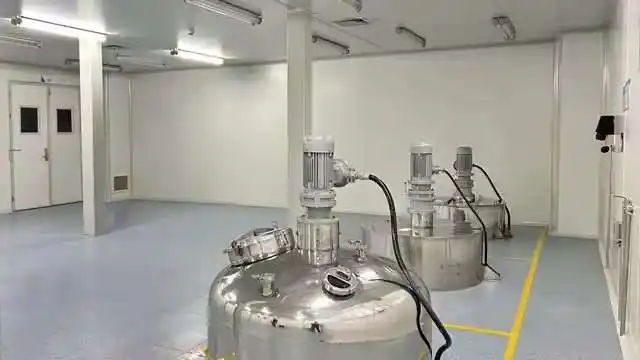
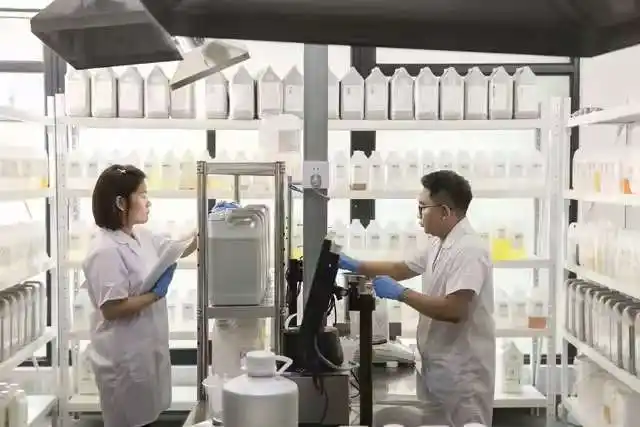
Our team of 20+ senior perfumers leverages a vast library of 40,000+ formulas to deliver expert customization and scent replication with up to 98% accuracy. As premier perfume oil manufacturers, we bring your most complex fragrance concepts to life with precision.
Industry-Leading Speed
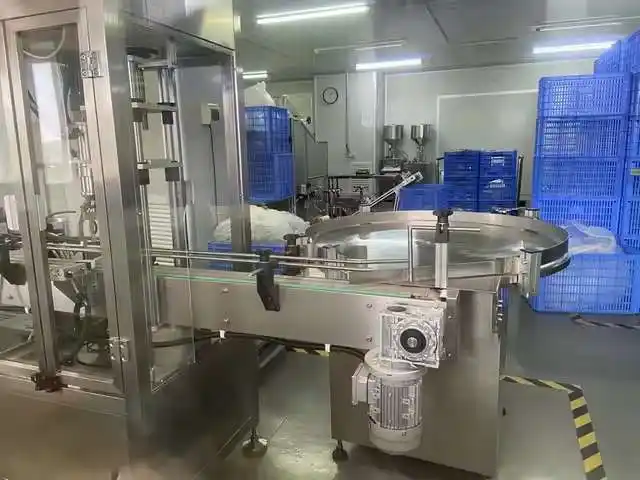
We empower your business with industry-leading speed. Samples are ready in just 1-3 days, mass production takes only 3-7 days, and our low 5kg MOQ allows you to test the market quickly and without risk, solidifying our role as agile fragrance oil suppliers.
Certified Quality & System Assurance
Our quality is built on trust and technology. We are fully certified with IFRA, ISO, GMP, and Halal, and our advanced ERP system guarantees complete traceability and batch-to-batch consistency, making us your reliable perfume raw materials supplier.