You’re picking a scent route and want zero drama later—in the lab, on the label, and at customs. Let’s keep it straight, practical, and kind of chatty. We’ll compare fragrance oils and essential oils from formulation, safety, and compliance angles, then plug in fast paths you can actually use. And yes, we’ll weave in how I’SCENT gets you from brief → sample → bulk without the back-and-forth that stalls launches.
Fragrance Oils vs Essential Oils: Formulation Basics
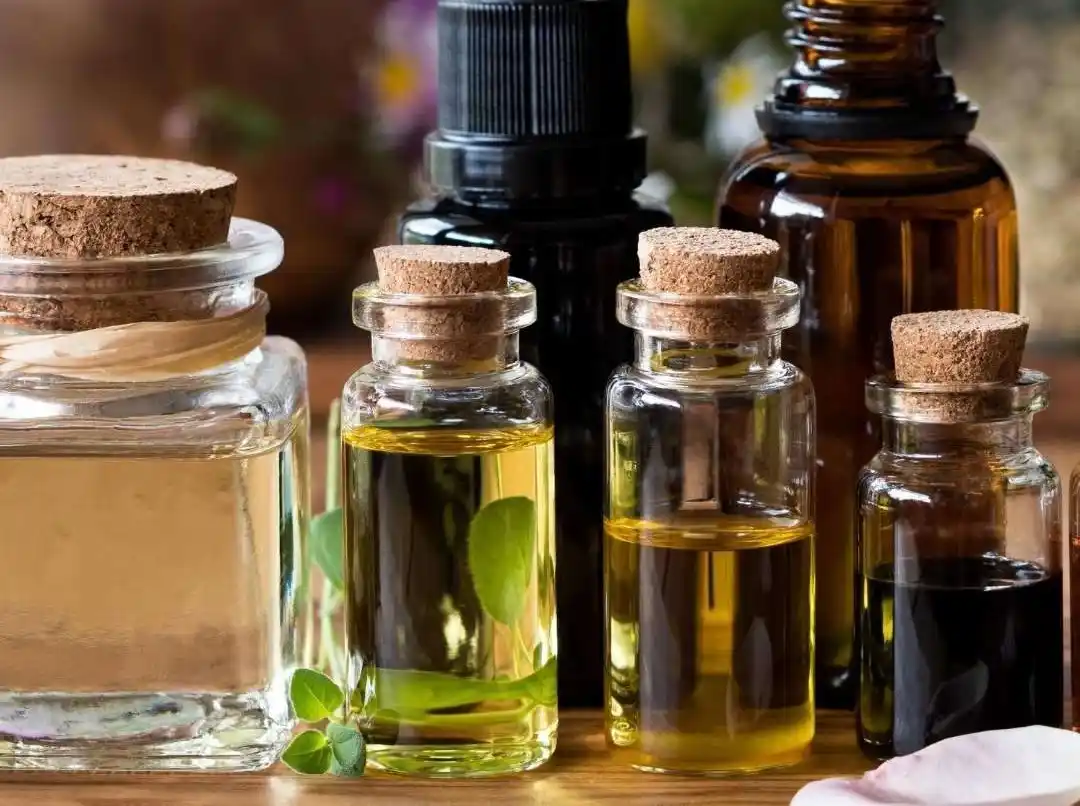
Fragrance oils (FOs) are blends of aroma chemicals and/or naturals designed for performance and repeatability. Essential oils (EOs) are natural extracts from plants—beautiful, but batchy and reactive. Both can live happily in personal care, fine fragrance, and home fragrance, but they behave quite differently in the beaker and on the label.
Plain-English snapshot
Fragrance oils (FOs): steady profile, tight batch-to-batch control, easier to tune for pH/heat/surfactant/solvent. Great when you need the scent to stay the same across shampoo, lotion, and detergent.
Essential oils (EOs): complex naturals, real batch variance; oxidation can push up sensitization risk; some citruses are phototoxic if used wrong. Gorgeous in the right context with the right limits.
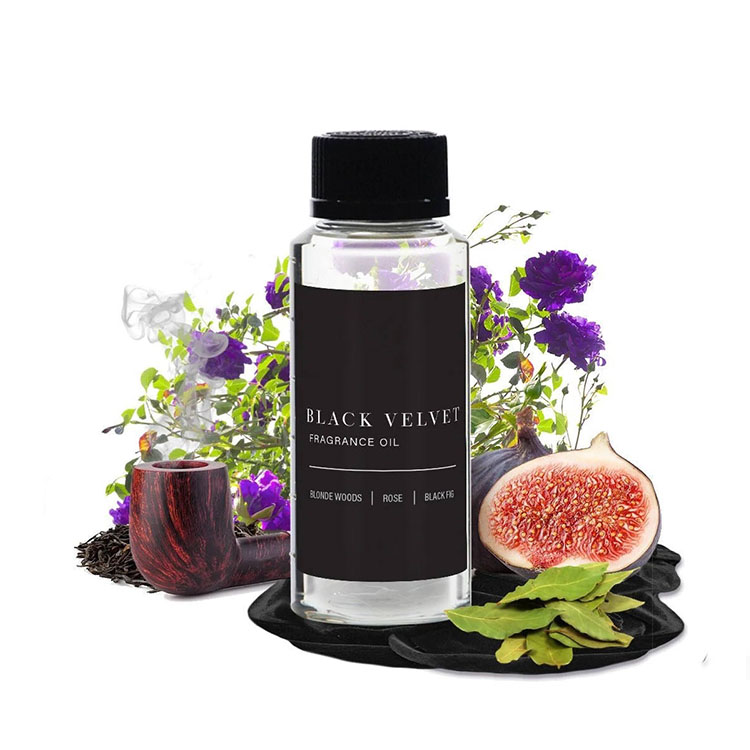
If you want a ready-to-source library for multiple bases, take a look at our Fragrance Oils catalog or the OEM/ODM fragrance oils page when you need a ground-up build or a close clone.
This is the baseline playbook for safe use of scented materials. IFRA sets category-based maximums—e.g., Category 5A (face/body creams), Category 9 (bar soap, shampoo), Category 12 (candles, air fresheners). You’ll always formulate to the strictest relevant category for your SKU.
What to do in practice
Get the IFRA Certificate for your FO/EO concentrate.
Map your SKU to the correct IFRA Category.
Back-calculate your max load in the finished formula.
Keep a copy in your PIF/file. When the auditor asks, you’re ready.
I’SCENT ships every custom compound with the right paperwork on day one, so you’re not hunting docs right before a PO. (Yep, we’ve seen that movie.)
Oxidation & Allergen Risk (limonene, linalool) in Essential Oils
EOs can oxidize over time (air + light + heat). Oxidation by-products—think limonene and linalool oxidation—can nudge up sensitization potential. You’ll mitigate with fresh stock, antioxidants, and storage discipline (nitrogen blanket, amber glass, cool temps). For FO builds, the perfumer can route around high-risk components or keep them capped to IFRA limits without killing the accord.
Phototoxicity & FCF Bergamot (leave-on matters)
Cold-pressed bergamot, lime, lemon, grapefruit: watch furanocoumarins. In leave-on formats you either use FCF (furanocoumarin-free) versions or cut the level hard per IFRA. Rinse-off is friendlier; candles and diffusers don’t have this skin issue. Simple fix—just spec FCF up front in the brief.
CLP Labelling for Candles & Air Care (EU/UK): UFI, PCN, Hazard Statements
If your candle/diffuser mixture triggers a hazard class under CLP, you’ll need the right pictograms, H-/P-statements, and in many cases UFI + PCN notification before market. It’s not scary, just work. We can provide CLP data blocks for your label, and a composition window to support your downstream PCN filing where needed. If you’re building a candle line, start here: Candle fragrance manufacturer.
EU 2023/1545 Fragrance Allergens Labelling (Annex III) — Transition Timeline
The EU expanded the list of fragrance allergens that must be individually declared on cosmetic labels (Annex III). The practical outcome: more INCI line items when an allergen exceeds the threshold in the finished product. There’s a transition window, but don’t wait—update your label copy now, especially on leave-on. We’ll flag allergen triggers from your chosen scent early so you’re not re-printing cartons last minute.
MoCRA Fragrance Allergen Disclosure (U.S.) — Status Check
In the U.S., fragrance components historically sat behind the word “Fragrance.” Under MoCRA, fragrance allergen disclosure is coming via rulemaking. Brands should prep their artwork workflows, because once the rule lands, you’ll want to move fast. Our doc packs already separate INCI and allergen disclosure fields, so artwork swaps are “replace-text, export-PDF,” not a week of email ping-pong.
Use Cases: Leave-On, Rinse-Off, Fine Fragrance, Candles/Air Care
Leave-on skin care (Cat 5A)
You want a calm, skin-friendly scent that passes Annex III checks and doesn’t fight your actives. FO route: pick a certificate-friendly accord at low load; if you insist on an EO signature, spec FCF citrus and keep antioxidants in. Label allergen calls early, build your INCI string once, done.
Rinse-off hair & hand (Cat 9)
Surfactants can flatten sparkle. We’ll push headspace with citrus-aromatic tops that ride the foam, anchored by musks/woods in the drydown. For brands cross-walking the same DNA into multiple SKUs, FO is your best friend—fewer “why does the shampoo smell sharper than the lotion?” tickets.
Fine fragrance (EDP/EDT)
You’ll probably blend both: an FO backbone for sillage/tenacity and an EO accent (e.g., vetiver fraction, aged patchouli) for soul. Build with mod iterations; don’t chase load numbers—chase impact and lift. (And run proper stability… ethanol can be sneaky with certain naturals.)
Candles & air care (Cat 12)
Talk hot throw, cold throw, flashpoint, and sooting. FO lets you tune for a given wax and wick faster; EO-only candles can smell great but often need higher dose and still under-perform on throw. We can port your brand DNA from hand wash → candle with minimal drift—because we control the accord.
Regulatory Snapshot — What Goes on the Label (and When)
Scope
What you’ll declare
Who it hits most
IFRA (51st)
You comply to category limits, keep the certificate on file
All scented SKUs
EU Annex III / 2023/1545
More fragrance allergens listed on INCI when thresholds are met; watch transition timing
Leave-on most sensitive; rinse-off also
U.S. (MoCRA)
Fragrance allergen disclosure rule in progress; design artwork workflows now
All cosmetics
EU/UK CLP (Candles, Diffusers)
Pictograms, H-/P-statements, possibly UFI + PCN before market
Home fragrance
If you don’t want to babysit this, hand us the brief; we return with IFRA limits, Annex III hits, and CLP lines ready to paste.
Real-World Fixes (short, no fluff)
“We need one scent across five bases.” Use an FO accord tuned for alkali, heat, and surfactant; keep EO as micro-accent if you crave that natural edge.
“Our bergamot face cream got a warning.” Swap to Bergamot FCF, lower load, antioxidant in, relabel allergens; retest.
“Candle throw is weak.” Different wick/wax, not just more dose. Re-balance top/mid/base for hot throw; watch flashpoint.
“Retailer wants doc pack yesterday.” We deliver IFRA, COA, MSDS with the sample; you’re good to go.
Our team of 20+ senior perfumers leverages a vast library of 40,000+ formulas to deliver expert customization and scent replication with up to 98% accuracy. As premier perfume oil manufacturers, we bring your most complex fragrance concepts to life with precision.
Industry-Leading Speed
We empower your business with industry-leading speed. Samples are ready in just 1-3 days, mass production takes only 3-7 days, and our low 5kg MOQ allows you to test the market quickly and without risk, solidifying our role as agile fragrance oil suppliers.
Certified Quality & System Assurance
Our quality is built on trust and technology. We are fully certified with IFRA, ISO, GMP, and Halal, and our advanced ERP system guarantees complete traceability and batch-to-batch consistency, making us your reliable perfume raw materials supplier.