Fragrance Oil Manufacturing Techniques: Distillation, Extraction, and Synthesis Overview
Most fragrance content on the internet is perfume theater. This piece explains the real fragrance oil production process behind distillation, extraction, and synthesis, with legal pressure, raw numbers, and the manufacturing questions serious buyers should ask before approving a formula.
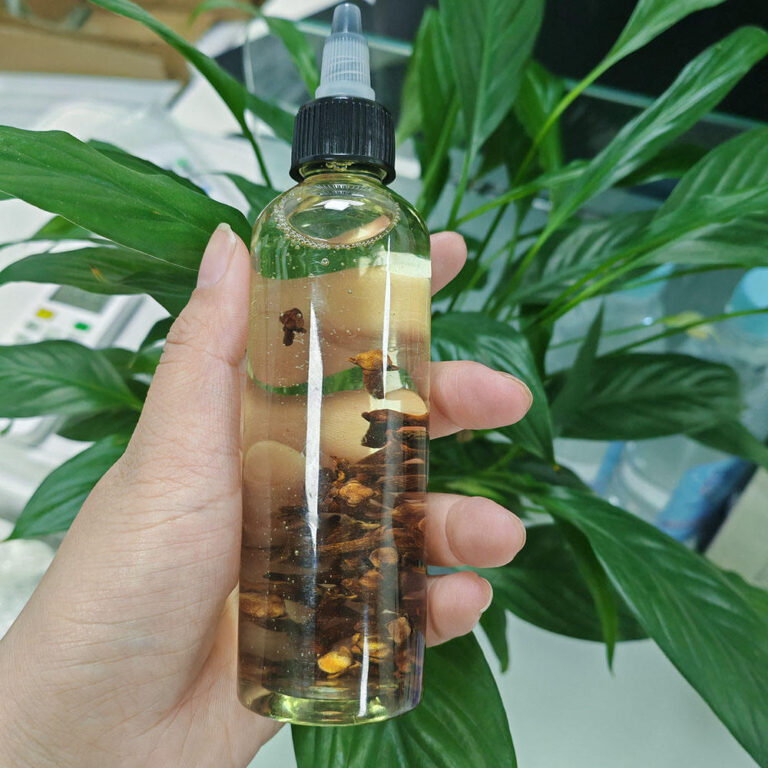
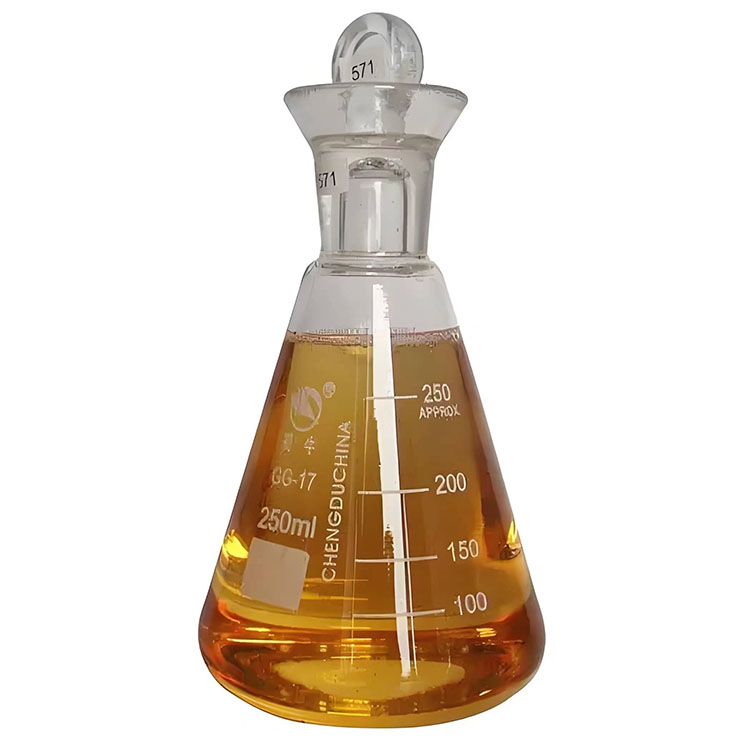
Fragrance oil manufacturing is not one craft but three separate industrial logics, and each one answers a different problem: steam distillation pulls volatile material from botanicals, solvent or CO₂ extraction chases delicate notes that heat would wreck, and synthesis gives manufacturers repeatability, price control, and the volume modern brands actually need. So why do so many articles still write about this business like it runs on rose petals and copper stills alone?
I’ve sat through enough supplier pitches to know where the fantasy begins. “Natural” gets sold as if it were a performance spec. It isn’t. It is a sourcing choice with consequences. And those consequences got more expensive once fragrance demand stayed hot: Reuters reported that U.S. prestige fragrance sales rose 6% to $3.9 billion in the first half of 2025, outpacing makeup and skincare, which means scale, consistency, and margin control matter more now than the romance copy on the product page. Read Reuters on 2025 fragrance growth.
If you want the on-site background before we get meaner, the best internal starting points are Fragrance Oils 101 and the broader wholesale fragrance oils catalog, because both frame fragrance as an application problem, not a poetry problem.
Table of Contents
Distillation sells purity, but it also sells limits
Steam sounds noble.
In actual production, steam distillation works because volatile, hydrophobic compounds ride steam out of plant matter, condense, and separate into an oil layer plus a hydrosol, but the method only makes economic sense when the botanical gives up those aromatic fractions without cooking off the character you wanted in the first place. Want the clean story, or the usable yield?
Where distillation earns its keep
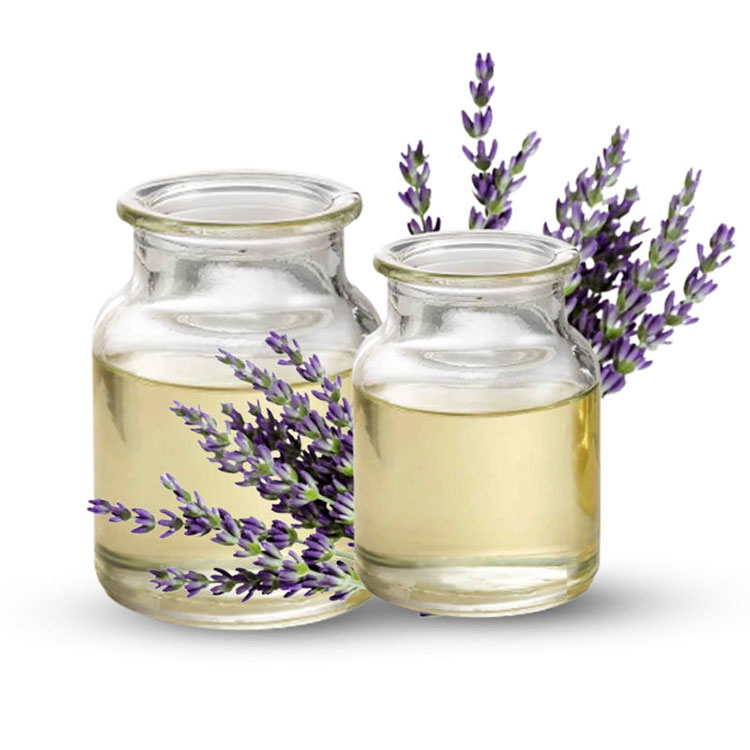
For lavender, rosemary, eucalyptus, mint, and other materials that tolerate heat reasonably well, distillation is still the cleanest manufacturing answer I know. Iowa State’s engineering primer lays it out plainly: steam distillation generally yields a relatively high-purity essential oil and an aqueous condensate called hydrosol, and it works on compounds present in very small concentrations, which is exactly why feedstock choice and yield math matter so much. Read Iowa State’s steam distillation overview.
Where distillation gets exposed
Rose is the classic reality check.
The American College of Healthcare Sciences notes that rose otto is steam-distilled from fresh petals, while rose absolute is produced by solvent extraction or CO₂ methods, and it also points out the sheer input burden: about 2,000 rose petals, roughly 30 blossoms, for a single drop of rose essential oil. That is why I roll my eyes when buyers say they want a “100% natural rose profile” at a mid-market price. With numbers like that, what exactly do they think they are buying? Read ACHS on rose oil and rose absolute.
And this is where internal site content becomes useful instead of decorative. If your output is meant for premium perfume, the right next click is fine fragrance OEM/ODM manufacturing. If the formula has to survive actual packaging and shelf life, the smarter move is the site’s stability test plan for fragrance oils, because neat-oil romance dies the second a formula hits heat, light, oxygen, and plastic.
Extraction is where perfumery chases the living flower
This gets expensive.
Solvent extraction exists because some flowers and resins simply do not yield well through steam, or they lose too much character under heat, so manufacturers use solvents to dissolve aromatic material, strip away the solvent, and keep the heavier, richer profile that perfumers actually want for jasmine, rose, benzoin, and other delicate materials. Isn’t that the part most “natural fragrance” marketing leaves out?
Why extraction wins on realism
ACHS puts it bluntly: solvent extraction is used for plants that do not yield oil easily through steam distillation, and the result is often an absolute. Their rose analysis goes further and makes the trade-off obvious: rose absolute is richer, closer to the smell of the living flower, and can carry phenyl ethyl alcohol up to 78%, but it may also contain trace solvent residues. That is the real bargain. Better floral fidelity, more process baggage. Read ACHS on solvent extraction and absolutes and their rose chemistry explainer.
Why CO₂ keeps getting attention
CO₂ extraction is the cleaner cousin that buyers like to mention when they want premium language with fewer residue worries. Under high pressure, carbon dioxide behaves like a solvent, then evaporates away when the pressure drops, which means no solvent residue is left behind in the same way conventional solvent extraction can leave traces. Nice idea. Higher cost. Tighter process. Better story.
If your fragrance brief is still vague at this point, stop browsing hero scents and write the brief first. The site’s fragrance development brief template is the right internal link here, because extraction projects go sideways when the buyer wants “fresh, premium, soft, long-lasting” and gives the lab nothing about base, market, pack, or IFRA category.
Synthesis is the method marketers whisper about and factories rely on
Now the hard part.
Most fragrance oil manufacturing at scale depends on synthetic aroma chemicals, natural isolates, and engineered blends because those materials give manufacturers batch consistency, cost control, and enough supply security to keep launches alive, while pure botanical systems alone usually fail on one or more of those fronts. Why pretend otherwise?
The federal definition is refreshingly unromantic. The current eCFR defines fragrance as a substance or mixture of aroma chemicals, natural essential oils, and other functional components added to impart scent or counteract malodor. That one sentence says more about modern perfume oil manufacturing than most lifestyle blogs manage in 2,000 words. Read the eCFR definition here.
And let’s stop treating synthesis like a fallback. Vanillin (C8H8O3), linalool (C10H18O), citronellol (C10H20O), musks, aldehydes, and lift materials are not embarrassing compromises. They are why a fragrance can smell the same in Guangzhou, New Jersey, Dubai, and São Paulo six months apart. I would trust a well-built synthetic-led accord over a badly standardized “all-natural” blend every day of the week. Experience taught me that.
The legal pressure around these ingredients is not theoretical either. Reuters reported in February 2025 that a U.S. judge allowed antitrust suits to proceed against major fragrance makers over alleged price inflation in ingredients used for cosmetics, cleaners, and household products; then Reuters reported in October 2025 that IFF agreed to pay $26 million to settle part of the U.S. fragrance-ingredients litigation while denying wrongdoing. That is not a cottage industry. That is a concentrated industrial input market under a microscope. Read Reuters on the February 2025 ruling and Reuters on the IFF settlement.
The comparison buyers should make before they fall in love with a sample
Use this table.
Technique
Typical raw material
What it does well
What it does badly
Best-fit applications
My blunt read
Steam distillation
Lavender, rosemary, eucalyptus, mint, rose otto feedstock
Cleaner process story, hydrosol co-product, good for heat-tolerant volatiles
Low yield on precious flowers, thermal damage risk, high biomass burden
Easy to oversell, easy to make boring if the perfumer is lazy
Fragrance oils for cosmetics, home care, air care, mass and premium perfume systems
This is the backbone of the business whether people admit it or not
My rule is simple. Distill when the plant deserves it, extract when the flower is too fragile to boil, and synthesize when the brand expects consistency, cost control, and a supply chain that does not break every harvest season.
The compliance file now decides whether the scent survives
Paperwork rules now.
FDA’s current MoCRA pages say manufacturers and processors must register facilities with FDA and renew every two years, while the broader cosmetics-law summary says the law also brings product listing, safety substantiation, GMP requirements, and fragrance allergen labeling requirements into the implementation track. Add FDA’s reminder that fragrances are one of the common allergen classes in cosmetics, and you have the answer to why buyers can no longer treat documentation as admin clutter. Read FDA’s MoCRA page, Cosmetics & U.S. Law, and FDA’s allergens page.
And the ingredient detail is not abstract. FDA’s allergens page names benzyl alcohol, benzyl benzoate, citral, citronellol, coumarin, eugenol, geraniol, limonene, and linalool among fragrance allergens listed in the European framework. So when I hear a supplier say “soft clean musk, very gentle,” I do not nod appreciatively. I ask for the actual composition support and the target market.
I like that stability page because it says what more suppliers should say out loud: test against 25°C controls, 40°C and 45°C heat stress, temperature cycling, light exposure, and at least a 12-week real-time screen before acting as if the job is finished. Pretty samples lie. That line should be on the wall in half this industry.
What I would ask before approving any fragrance oil manufacturer
Ask harder questions.
A professional buyer should ask how the fragrance was made, which part of the scent profile is natural versus synthetic, which IFRA category applies, whether the SDS and COA are batch-specific, what the oxidation risks are for linalool and limonene-heavy systems, how the fragrance behaves in the real base, and what happened in actual pack testing. If the supplier gets slippery on any of that, why keep pretending the risk is under control?
This is also where customfragranceoil.com gives you a decent commercial trail to follow. Its catalog says the company offers more than 40,000 formulas with IFRA-compliant documentation for B2B use, and its FAQ says stocked formulas can start at 5 kg while custom work starts at 25 kg, with free 10 ml samples and normal completion in 3 to 7 days; elsewhere on the site it says samples are ready in 1 to 3 days and highlights a team of 20+ senior perfumers with up to 98% scent replication. Those are not reasons to trust blindly. They are reasons to ask better follow-up questions.
FAQs
What is fragrance oil manufacturing?
Fragrance oil manufacturing is the industrial process of creating aromatic concentrates by combining natural extracts, essential-oil fractions, solvents or carriers, stabilizers, and synthetic aroma chemicals through methods such as distillation, extraction, and synthesis, then tuning the result for a specific end use like perfume, skincare, candles, cleaners, or air care.
That first sentence is the definition I use because it matches factory reality. The product is not finished when it smells good in a vial. It is finished when it survives documentation, base compatibility, packaging, and shelf time.
How are fragrance oils made?
Fragrance oils are made by obtaining aromatic materials through steam distillation, solvent or CO₂ extraction, and laboratory synthesis, then blending those materials into a fragrance concentrate designed for a particular performance target, cost window, regulatory category, and shelf-life requirement rather than for smell alone.
That is why the same “rose” idea can exist as rose otto, rose absolute, phenyl-ethyl-alcohol-heavy floral reconstruction, or a mixed accord built for shampoo instead of perfume.
Is steam distillation better than solvent extraction?
Steam distillation is better when the plant material contains heat-tolerant volatile compounds that separate cleanly with steam, while solvent extraction is better when the floral or resinous material is too delicate, too low-yield, or too character-rich to survive boiling without losing the scent profile perfumers actually want.
I would never call one universally better. I would call one more suitable for the feedstock, the price target, and the intended application.
Why do manufacturers use synthetic fragrance compounds?
Manufacturers use synthetic fragrance compounds because they deliver batch consistency, cost control, supply reliability, and application-specific performance that purely natural materials often cannot sustain at scale, especially when brands need the same scent to behave predictably across markets, seasons, and production lots.
That is the part consumers rarely hear. Synthesis is not evidence of low quality. Bad synthesis is evidence of low quality. There is a difference.
What documents should a buyer request before approving a fragrance oil?
A buyer should request a current IFRA certificate matched to the exact product category, an SDS for handling and transport review, a batch-specific COA, allergen support for the target market, and finished-formula stability and packaging data showing how the scent behaves under heat, light, oxygen, and storage stress.
I would also ask about change control, retention samples, and prior failure patterns. Suppliers who hate those questions are usually the ones who most deserve them.
And if the reader is already in market, make the CTA direct: ask for the manufacturing route, ask for the paperwork stack, ask for the real-base stability data, and ask what part of the formula is doing the heavy lifting. Then shut up and listen. The supplier’s answer will tell you more than the scent strip ever will.
Our team of 20+ senior perfumers leverages a vast library of 40,000+ formulas to deliver expert customization and scent replication with up to 98% accuracy. As premier perfume oil manufacturers, we bring your most complex fragrance concepts to life with precision.
Industry-Leading Speed
We empower your business with industry-leading speed. Samples are ready in just 1-3 days, mass production takes only 3-7 days, and our low 5kg MOQ allows you to test the market quickly and without risk, solidifying our role as agile fragrance oil suppliers.
Certified Quality & System Assurance
Our quality is built on trust and technology. We are fully certified with IFRA, ISO, GMP, and Halal, and our advanced ERP system guarantees complete traceability and batch-to-batch consistency, making us your reliable perfume raw materials supplier.