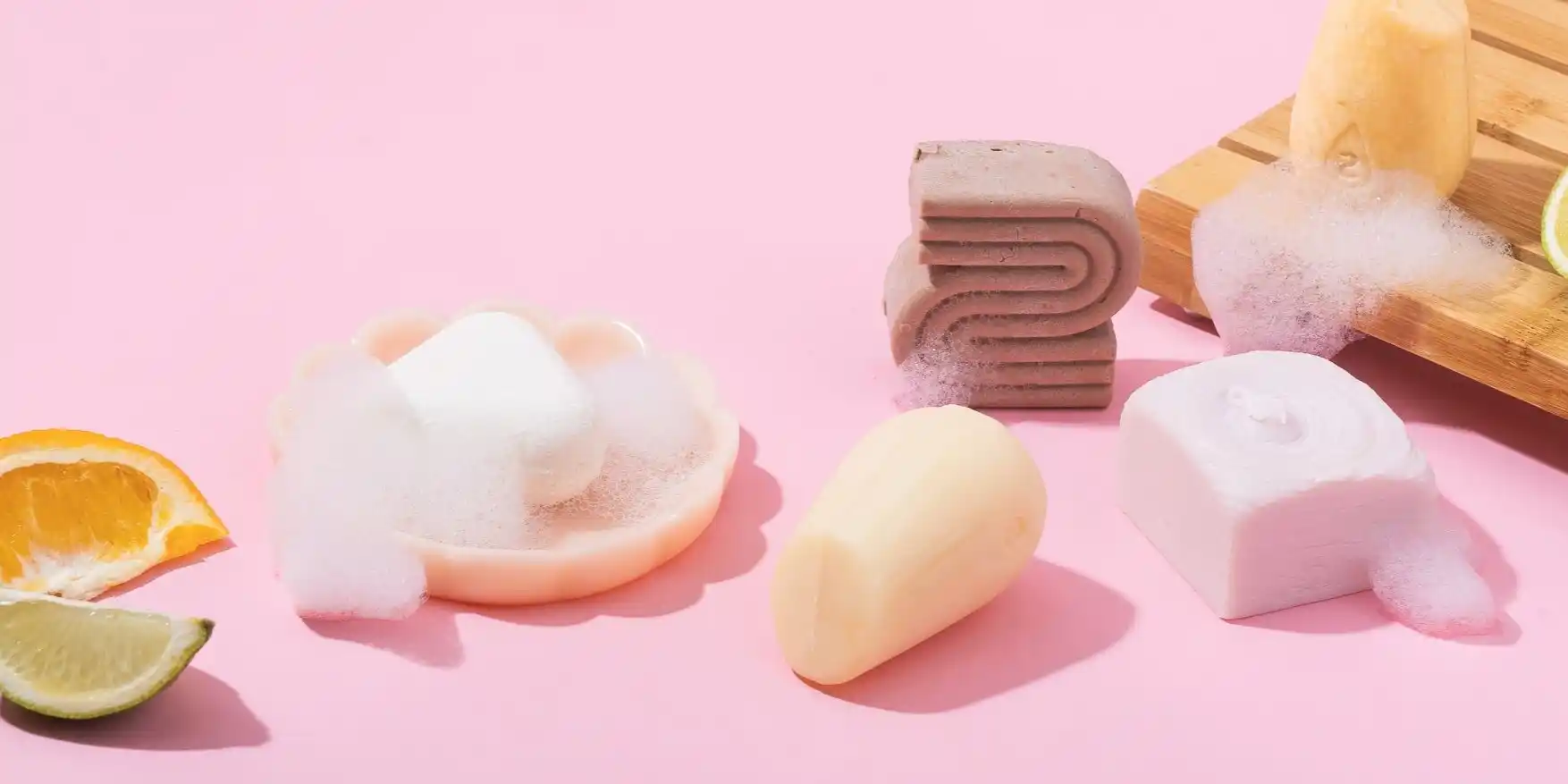
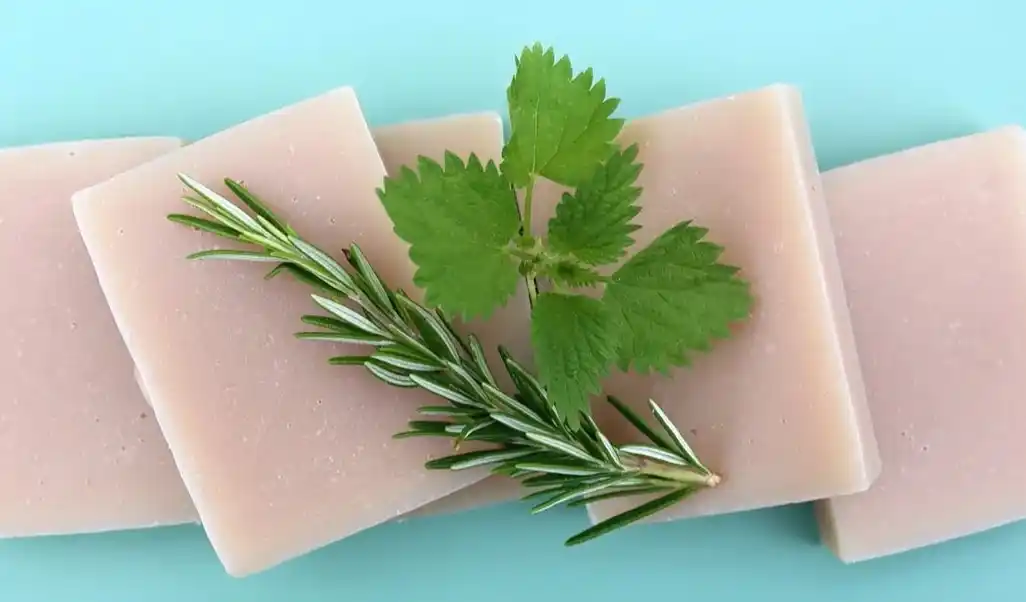
Solid shampoo and conditioner bars look simple. Press, unmold, done. But once you drop fragrance oil into that base, everything changes.
Scent is not just decoration here. It messes (in good and bad ways) with surfactants, cationic emulsifiers, waxes, oils, hardness, even pH. If you treat fragrance as “add 1–2% at the end and hope for the best”, the bar can sweat, crack, smell wrong, or fail IFRA.
Let’s walk through this from a formulator point of view, in plain talk. I’ll also show where I’Scent fits in if you want ready-to-go, IFRA-checked fragrance oils for bars instead of fighting the base alone.
Solid Shampoo Bars and Conditioner Bars: Fragrance Oil Basics
First, quick reality check:
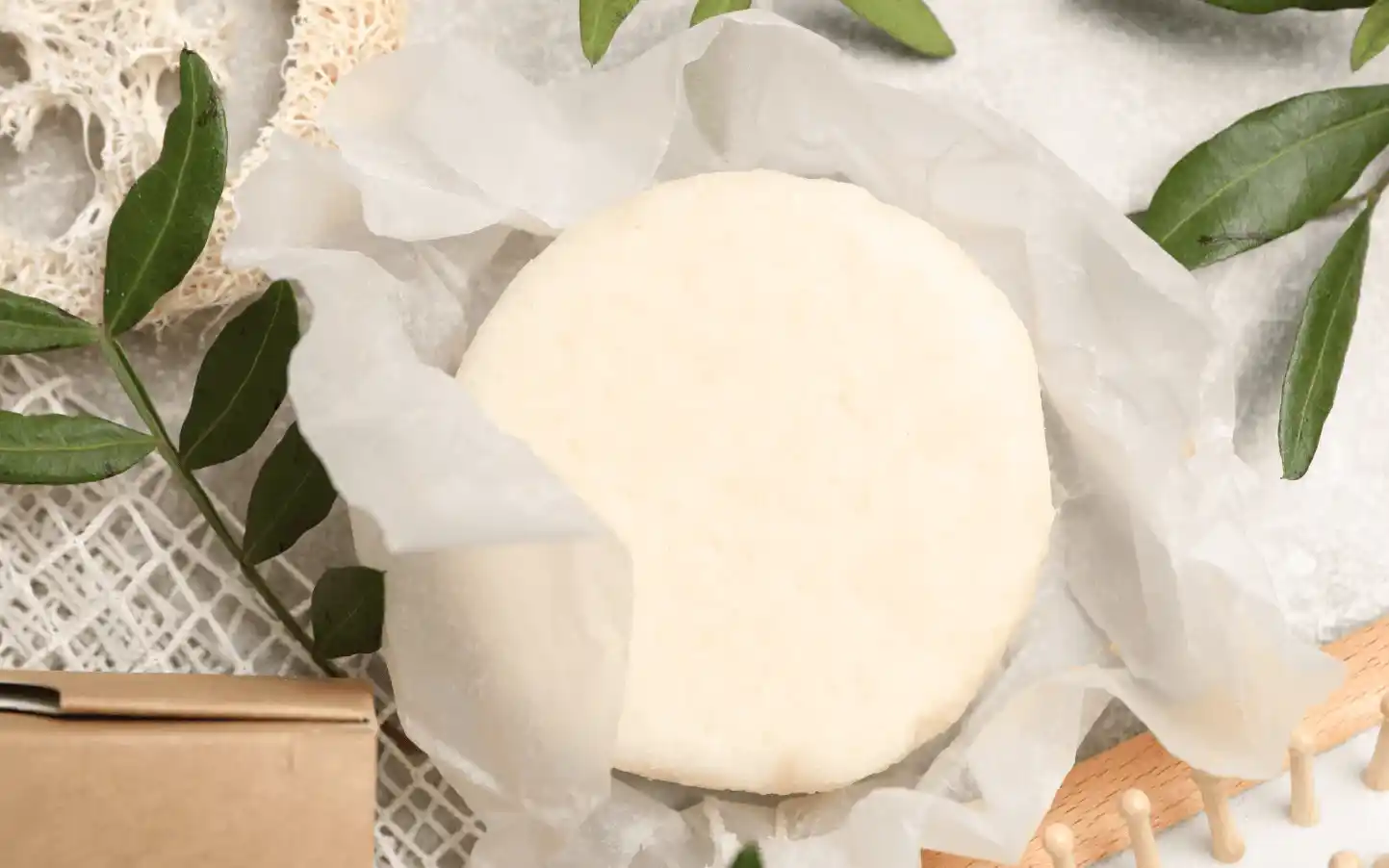
Solid shampoo bars (the syndet type) = concentrated surfactants + a bit of fats/waxes + actives.
Fragrance oil has to live inside those structures:
In shampoo bars, scent sits inside micelles and surfactant paste. It impacts:
Raw material odour masking (that “detergent” smell).
Foam feel (light vs creamy, squeaky vs cushioned).
“Pop” in shower and quick rinse-off.
In conditioner bars, scent mainly rides:
On cationic phase and oils.
Onto hair fibre as a deposited layer (the “dry-down” on hair tress).
So when you pick a fragrance oil for bars you’re not just asking “Does it smell nice?”. You’re deciding:
How hard or soft the bar feels.
How quickly it wears down in the shower.
How the hair smells 4–6 hours after rinse.
Whether you stay inside IFRA limits for hair products.
This is why many brands now treat fragrance like an active: dose, IFRA class, deposition, stability, everything on the same level as any care ingredient.
Fragrance Oils Usage Levels in Solid Shampoo Bars
In real lab work, most solid shampoo bars land in a 0.8–2.0% fragrance load (as-is on total bar). Below that you barely smell it. Above that, the base can start to complain.
Formulators usually call this “dosage” or “load”. When you hear “this base is overdosed”, they often mean the bar is soft, sweating, or too aggressive on scalp because the perfume oil load is too high for that system.
Here’s a simple view you can use when you design your own bar:
Shampoo bar type
Typical fragrance % in bar*
Sensory target on hair & in shower
What goes wrong if you push too high
Daily mass-market solid shampoo bar
~0.8–1.3%
Clean, clear scent, nice foam, no heavy trail
Bar softening, faster wear, scalp feel a bit harsh
Premium spa / salon solid shampoo bar
~1.2–1.8%
Stronger shower bloom, light trail after blow-dry
Sweating, cracking in hot storage, colour drift
Sensitive / baby-lean shampoo bar
~0.3–0.8%
Very soft smell, almost “skin scent” level
Irritation, complaints from sensitive users
*These are typical industry ranges, not hard rules. IFRA max level still comes first.
So the logic is:
Start with target experience (how loud? how long?).
Check IFRA Category for your hair product.
Then set a test window (for example 1.0–1.5% in solid shampoo).
Run foam, stability, and scalp feel tests on those levels.
If you’re working on hair lines, it’s worth looking at a dedicated hair care fragrance supplier rather than just “any fragrance oil”. At I’Scent we already build hair-safe structures that behave in surfactant pastes and high solid loads, which saves you a lot of trial-and-error in the pilot batch.
For broader projects that cover body wash + bar + lotion, you can also browse the personal care fragrance oils range and pull one olfactive story across the line.
Fragrance Dosage and Deposition in Solid Conditioner Bars
Conditioner bars are a different animal. You’ve got:
BTMS or similar cationic base.
Fatty alcohol (cetyl, cetearyl) for structure.
Butters and oils for slip.
This matrix loves fragrance. It holds scent and deposits it on fibre much better than a rinse-off shampoo base. That’s good for “fragrance trail”, but it also means you can dose lower and still get strong perception.
Typical practice:
Many solid conditioner bars sit around 0.5–1.2% fragrance on total bar.
Above that, you risk:
Wax phase becoming too plastic or greasy.
Oily bloom on top of bars in warm warehouse.
Hair feeling coated or “perfumey” in a bad way.
Formulators often talk about:
Deposition profile – how much sticks on hair vs goes down the drain.
Dry-down – how the scent smells 2–4 hours later on the hair tress.
Anchor notes – musks, woods, ambers that lock into the conditioning layer.
A smart move (sorry, “move”, I won’t use that banned buzzword 😉) is to build a shampoo/conditioner pair:
Same olfactive family.
Slightly higher dosage in shampoo bar for shower “lift”.
Slightly lower, more cocooning dosage in conditioner bar for dry-down.
If you’re working on baby, mom & baby or mild lines, you can use something like Baby-Care Soft Powder Personal Care Fragrance Oil. It’s built for gentle toiletries and gives that soft, powdery comfort note without shouting on hair.
IFRA Compliance, Allergen Management and pH for Hair Care Fragrances
Solid bars still sit under rinse-off hair products in IFRA. So every fragrance oil you use must obey:
The correct IFRA Category (for shampoo/conditioner).
The maximum allowed level for that formula.
This is where a lot of indie projects fall down. They look only at “1–2% is common”, but they don’t check:
Is this particular fragrance allowed at that level in Category 7?
Do I have IFRA certificate, allergen list, SDS, COA in my file?
Does the base target adults, babies, or sensitive users?
On allergen and sensitivity:
Even rinse-off products can trigger scalp irritation.
Citrus, some florals, spices and certain naturals can be strong sensitizers.
If you’re pushing “clean beauty” or “gentle scalp” claims, you often want:
Lower allergen footprint fragrance.
Or at least transparent allergen export for your own tech dossier.
This is one reason customers like using cosmetic fragrance oils with IFRA-certified options from I’Scent. We run IFRA, ISO, GMP and Halal systems, and we export full allergen breakdown, so your regulatory team doesn’t need to chase missing numbers.
Now add pH to the mix:
Modern shampoo and conditioner bars usually target pH ~4.5–5.5.
That range:
Is kinder to cuticle.
Plays better with cationic conditioning agents.
Helps many fragrance structures stay more stable compared to very alkaline bases.
So your “triangle” is:
IFRA max level.
Actual fragrance dosage in bar.
Finished bar pH.
If one is off, the other two won’t save you.
Base Compatibility, Processing Temperature and Non-Clouding Scents in Bars
Fragrance oils don’t float in a vacuum. They sit in a very specific base:
Sulfate surfactant bars (SCI, SLSA, etc.).
Sulfate-free bars (APG, betaine, mild anionics).
Conditioner bases (cationic + oils + wax).
You always want to check three things:
Compatibility with surfactant system
Some perfume oils haze or cloud clear bases.Some pull colour or yellowing into a white bar.Some don’t like high salt or high active surfactant levels.
I’Scent recently wrote about non-clouding fragrance oils for sulfate-free shampoos. The same thinking applies to solid bars: you test clouding, colour shift and viscosity change at different fragrance loads, not just smell.
Processing temperature and flash
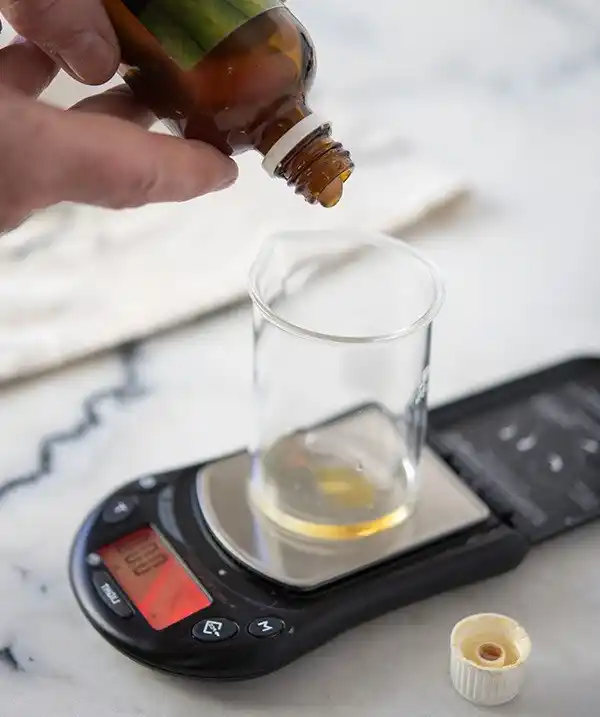
If you add fragrance at 75–80°C, you will cook the top notes.
Typical shop-floor practice is:
Heat your phase, build the base.
Cool down until the mass is thick but still pourable or pressable (often below 55°C).
Then add perfume and mix fast.
This keeps the scent profile closer to what the perfumer designed.
Hardness and structure
Fragrance oils are basically extra liquid in a solid bar.
Push too high, and the bar turns rubbery or starts sweating oil beads.
Too low, and bar feels rock-hard but dead on smell.
A good example of a bar-friendly scent is the Shampoo-Safe Green Tea Personal Care Fragrance Oil. It’s built to play nice with common anionic/amphoteric systems and low colour, so it doesn’t wreck your nice opaque or semi-clear base. You focus on bar structure; it handles the “don’t cloud, don’t stain” part.
Commercial Value: Partnering with I’Scent for Solid Hair Care Projects
Let’s be honest. You don’t only care about chemistry. You care about:
Development speed.
MOQ pain.
Matching a benchmark scent without drama.
Stable supply and clear docs when auditors visit.
That’s where a manufacturer like I’Scent makes life easier.
A few quick facts (you mentioned them, so I’ll keep them here but short):
OEM/ODM fragrance oil & perfume raw materials manufacturer since 2005.
20+ senior perfumers, all day in the lab.
40,000+ fragrance formulas in the library.
Scent replication accuracy around 98% on internal criteria.
Samples usually in 1–3 days, scale batches in 3–7 days.
MOQs that actually work for real projects (from around 5 kg on many standard oils; custom scent often ~25 kg, no hard cost calc shown here).
Certified with IFRA, ISO, GMP and Halal, and backed by an ERP system for full batch traceability.
You can brief the team for a shampoo/conditioner bar duo, knowing they’ll dose it within IFRA for hair care, not just “generic fragrance”.
You can tune one scent across hair, body and even air care later, since I’Scent also works in candles, diffusers and hotel scenting.
For hair specifically, the hair care fragrance supplier page is a good starting point if you want shampoo and conditioner-focused oils that already passed surfactant and stability checks.
Formulation Checklist for Solid Shampoo and Conditioner Bar Fragrance Oils
To wrap it up, here’s a simple checklist you can keep next to the lab bench. Read it out loud when you’re about to lock a formula:
Set the scent role clearly
Is this bar about strong shower “boom”, soft hair trail, or almost unscented?
Daily use, spa mood, kid-friendly? Decide first.
Pick the right base-friendly fragrance oil
For surfactant bars: ask for shampoo-safe, non-clouding, low-colour oils.
For conditioner bars: look for good deposition and clean dry-down on hair.
Example: 1.0%, 1.3%, 1.6% in shampoo bar; 0.5%, 0.8%, 1.0% in conditioner bar.
Check foam, slip, bar hardness, wear rate, scalp feel.
If base feels wrong, drop dosage or adjust structure; don’t just blame scent.
Check IFRA and allergens before scale-up
Confirm max level for your IFRA Category.
Get allergen export, SDS, COA on file.
If targeting sensitive groups, lean on IFRA-ready cosmetic scents from I’Scent.
Watch pH and processing
Keep finished bars in hair-friendly pH (roughly 4.5–5.5).
Add fragrance below ~55°C when mass is workable.
Run at least a basic heat/cool cycle and a few weeks shelf test.
Think brand system, not single SKU
Build a shampoo + conditioner pair with same DNA.
Maybe add a matching shower gel or body mist later using the same olfactive core.
That’s easier when your supplier already covers fine fragrance, home and F&B-style scents too.
Lock a supplier who can keep up
You want fast sampling, clear docs, and batch-to-batch consistency.
I’Scent’s certifications and ERP traceability are made for that.
When you’re ready to move, just contact I’Scent and bring your brief, your target IFRA level, and a realistic bar base description.
If you treat fragrance oil as part of the bar engineering—not just a nice smell thrown at the end—you get solid shampoo and conditioner bars that smell right, feel right, and scale without headaches. And with a partner like I’Scent on the scent side, you don’t have to fight every variable alone, even when the lab day is messy and the English, maybe, also a little bit messy.
Our team of 20+ senior perfumers leverages a vast library of 40,000+ formulas to deliver expert customization and scent replication with up to 98% accuracy. As premier perfume oil manufacturers, we bring your most complex fragrance concepts to life with precision.
Industry-Leading Speed
We empower your business with industry-leading speed. Samples are ready in just 1-3 days, mass production takes only 3-7 days, and our low 5kg MOQ allows you to test the market quickly and without risk, solidifying our role as agile fragrance oil suppliers.
Certified Quality & System Assurance
Our quality is built on trust and technology. We are fully certified with IFRA, ISO, GMP, and Halal, and our advanced ERP system guarantees complete traceability and batch-to-batch consistency, making us your reliable perfume raw materials supplier.