Food scents sell because they hit memory fast. One sniff and people think “warm kitchen” or “late-night hot chocolate.” But you’ve seen the downside too: a caramel-heavy candle can go from cozy to cloying by burn #2. Cocoa can turn dusty. Smoke can go ashy.
This is a practical build guide for gourmand candle oils that feel real, throw well, and stay consistent in production. I’ll use candle-floor language (CT/HT, FO load, wick pairing, melt pool) and a few common “yep, this happens” situations. I’ll also drop a few I’Scent pages inside the keywords, so you can jump to the matching category or guide.
Caramel notes in candle fragrance oil
Caramel is the crowd-pleaser. It’s also the fastest way to make a candle feel syrupy.
Common fails:
Hot throw feels sticky or “burnt sugar.”
The scent loses shape. It’s sweet, then… just sweet.
In some wax systems, heavy sweet bases plus a high FO load can nudge sweating.
Treat caramel like a layer, not a block. Give it edges:
Dry it out with cocoa/coffee/roasted grain.
Smooth the join with a cream note.
Add a micro-dose smoky base so “caramel” reads toasted, not candy.
Cocoa is your realism tool. It brings bitterness and depth. But cocoa can flop in two ways:
Powdery, like dry cocoa dust.
Too creamy + too sweet, then it becomes “choco-milk” and loses the dark edge.
In candles, cocoa works best when it has contrast. Pair it with caramel for warmth, then anchor it with a darker base (amber/wood/smoke). That’s how you keep the accord from floating into sugar fog.
If you overdo it, or if your wick runs hot, smoke can drift into “ashtray.” Customers will call it burnt, even if the wax is burning fine.
Two rules help:
Keep smoke low and place it in the base. Let it show up late.
Don’t over-wick. Hot melt pool + smoky base = harsh air. Full stop.
A good mental model: smoke is a frame, not the painting.
Top notes, heart notes, base notes for gourmand candle oils
You don’t need poetic language. You need roles.
Top: quick lift so the candle doesn’t smell heavy at first sniff.
Heart: the food story (caramel + cocoa + cream).
Base: the anchor that keeps sweetness from feeling flat (smoke, woods, amber).
When the base is too weak, it smells like sugar. When the base is too strong, it smells like a bonfire with dessert stuck on it.
Cold throw and hot throw balance (CT/HT)
This is where most gourmand projects die. Bottle smells amazing. Counter sniff is solid. You light it and… nothing. Or it’s loud for 20 minutes, then fades by burn #3.
Most jar candle systems sit around 6–10% load. Too low, weak throw. Too high, sweating, rough burns, and sometimes soot.
Add temperature often lands around 170–185°F (77–85°C). That range keeps wax fluid so oil disperses well. If you keep fragranced wax hot for too long, you can flatten the top and dull the whole scent. It’s slow damage, not instant death.
Wick pairing, melt pool, and soot
Wicking is the silent troublemaker. A big wick can make sweet accords smell burnt. A small wick can trap fragrance and disappoint HT.
Don’t “one-shot” test and pray. Run a tiny grid:
2 FO loads (mid and slightly higher)
2 wick sizes
same jar, same wax, same cure window
Track melt pool diameter, mushrooming, soot, and when the scent peaks (30 min, 60 min, 2 hr). These notes save you later.
Cure time and burn test routine
A lot of “bad fragrance oil” complaints are really cure and test issues. Gourmands need time to settle in wax, especially creamy bases.
Try this simple routine:
Cure at least a few days, then re-smell. Don’t judge at hour 12.
Burn in the same room size every time. HVAC changes everything.
Log jar diameter, wick series, and melt pool depth. If you don’t log it, you can’t fix it.
Quick troubleshooting (the stuff ops teams say out loud):
What you see
What it usually means
First move
Loud CT, weak HT
FO load too low or wick too small
bump load slightly or wick up one step
Strong burn #1, fades later
under-cured or over-wicked
extend cure, then downsize wick
“Burnt sugar” vibe
caramel too hot + wick too aggressive
reduce wick heat, add cocoa/cream buffer
Oily top / sweating
load too high for that wax
drop load, or pick a candle-optimized concentrate
Flash point of fragrance oils in candle production
Flash point matters for safety and shipping. It’s not a magical line where scent dies.
What actually hurts aroma is holding fragranced wax too hot for too long, or reheating again and again. Here’s a simple handling chart:
Flash point range
How to handle in candles
Practical note
Below ~130°F (54°C)
Add fragrance a bit cooler, keep heat time short
Don’t park fragranced wax on high heat
130–180°F (54–82°C)
Add around 170–185°F (77–85°C)
Common dispersing window
Above 180°F (82°C)
Still fine at 170–185°F
Flash point is more logistics than strength
Color system and vanillin discoloration risk
Gourmand profiles often carry vanillin-like materials. That’s part of the “yummy.” It can also push wax from off-white to tan over time.
If you sell white wax or pastel wax, plan for it early:
Choose a lower-vanillin direction, or build the vanilla impression with other tools.
Pick a darker colorway on purpose (espresso/cocoa looks intentional).
Run a basic aging panel before you lock packaging and labels.
These are starting grids. They help you test without guessing.
Target vibe
Caramel
Cocoa
Cream
Smoky
Extra pro move (optional)
Salted caramel mocha
35–45%
20–30%
15–25%
1–4%
tiny roast/coffee facet
Cocoa cream cookie
20–30%
15–25%
30–40%
0–2%
buttery “baked” nuance
Toasted caramel custard
35–50%
5–15%
25–35%
2–6%
vanilla/tonka style base
Smoked dark chocolate
10–20%
30–45%
10–20%
5–10%
amber/wood backbone
How to use the table (fast):
Pick one vibe.
Make two versions: smoke low-end vs high-end.
Burn test with your wick series.
Change one knob at a time. Don’t change three and then argue.
OEM/ODM candle fragrance oil and custom scent replication with I’Scent
Scaling a candle line isn’t only about “nice smell.” It’s repeatability: same odor, same throw, same paperwork, same batch. That’s where teams lose weeks.
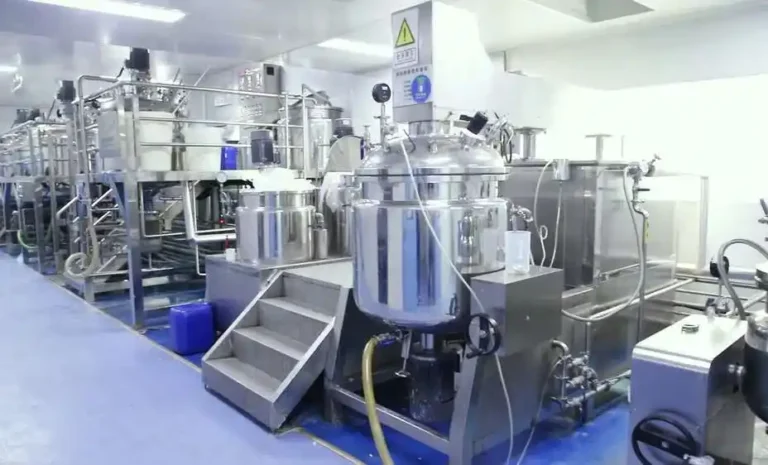
I’Scent is an OEM/ODM Fragrance Oil & Perfume Raw Materials Manufacturer, and we support candle and fragrance projects with:
OEM/ODM fragrance oil + perfume raw materials manufacturing
20+ senior perfumers and a 40,000+ formula library
custom development + fragrance replication (up to 98% match accuracy), then tuning for your wax system
samples in 1–3 days, mass production in 3–7 days
low 5 kg MOQ for ready profiles; custom projects typically start at 25 kg
IFRA / ISO / GMP / Halal certifications, plus ERP traceability for batch consistency
Our team of 20+ senior perfumers leverages a vast library of 40,000+ formulas to deliver expert customization and scent replication with up to 98% accuracy. As premier perfume oil manufacturers, we bring your most complex fragrance concepts to life with precision.
Industry-Leading Speed
We empower your business with industry-leading speed. Samples are ready in just 1-3 days, mass production takes only 3-7 days, and our low 5kg MOQ allows you to test the market quickly and without risk, solidifying our role as agile fragrance oil suppliers.
Certified Quality & System Assurance
Our quality is built on trust and technology. We are fully certified with IFRA, ISO, GMP, and Halal, and our advanced ERP system guarantees complete traceability and batch-to-batch consistency, making us your reliable perfume raw materials supplier.