Walk into a hotel lobby, a spa hallway, or a busy retail store. The scent hits you the same way every time. That “always-on, always-the-same” vibe isn’t luck. It’s engineering.
And that’s the real reason commercial scenting usually leans on fragrance oils (often sold as diffuser oils) instead of pure essential oils. It’s not about “natural vs not natural.” It’s about consistency, performance in machines, paperwork, and fewer headaches for your ops team.
Below, I’ll break it down in plain English, with real buyer pain points and a couple data tables to keep it grounded.
Essential oils vs fragrance oils
Essential oils come from plants. They’re extracted, then they vary. Weather changes. Harvest timing changes. Even storage and oxidation changes the smell.
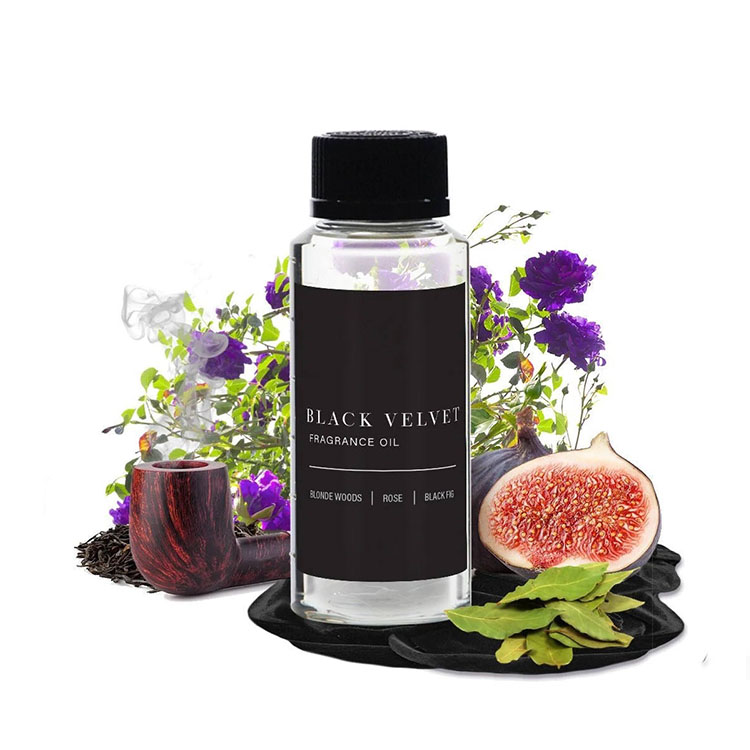
Fragrance oils are blended aromatic materials built to hit a target profile on purpose. That target can be “white tea lobby clean,” “fresh laundry,” or “cozy amber woods.” In commercial work, the blend usually has to behave inside a system: cold-air diffusion, reed diffuser, electric plug-in, even an HVAC scent setup.
On the I’SCENT side, most clients who come in through Fragrance Oils aren’t chasing “a plant in a bottle.” They’re chasing a repeatable scent asset that can ship globally and still smell like the sample.
Stability and longevity in commercial scenting systems
Commercial scenting isn’t aromatherapy. It’s a production line problem.
If you’re running scenting in public spaces, you care about:
Stability (no weird drift, no “week 2 smells different”)
Longevity (steady release, not a loud top note that dies fast)
Machine compatibility (no gunk, no clogging, no surprise residue)
Coverage (even diffusion, not “strong near the unit, dead everywhere else”)
Essential oils can smell beautiful, sure. But they can also be volatile in the wrong way. Some batches flash off fast, some oxidize, and some get sharp or “turpentine-y” over time. In a commercial program, that turns into service tickets and complaints. Nobody wants that.
Batch-to-batch consistency
Here’s the dirty little ops truth: your customer doesn’t care why a batch changed. They just know it changed.
Procurement teams talk about spec lock, change control, and batch drift. If you can’t hold the profile, you lose the account. This is one reason commercial buyers love fragrance oils: you can build to a formula, then hold it.
I’SCENT leans hard into this with ERP traceability and repeatable production for categories like Air Care Fragrance and Home Care Fragrance, where brand consistency is basically the product.
Scent throw and diffusion
If you make candles, you already speak this language: cold throw and hot throw. If you do diffusers, you care about diffusion curve and room fill.
Fragrance oils can be tuned for throw. Essential oils can be moody. They may perform great on a blotter, then go quiet in wax, surfactant systems, or a cold-air diffuser.
Why fragrance oils win on scent palette and “signature scent” work
Commercial scenting often needs scents that nature doesn’t hand you as a single oil.
Think of the profiles buyers ask for:
“clean linen but not soapy”
“white tea / airy musk / light woods”
“hotel lobby fresh, not perfume-y”
“spa eucalyptus but softer, less sharp”
You can’t always get there with essential oils alone. You’ll either run out of options, or you’ll end up with a formula that’s unstable, expensive to maintain, or both.
This is where scent replication and accord building matter. I’SCENT positions itself as a custom solution supplier (20+ senior perfumers, 40,000+ formulas, up to 98% replication accuracy). That’s not marketing fluff. That’s how you turn a vague brief into something you can actually scale.
If your goal is a repeatable diffuser program, you’ll usually end up looking at a dedicated Diffuser Fragrance Oil Manufacturer anyway, because you need performance plus matching.
IFRA certificate, SDS, COA: the paperwork that makes deals happen
Let’s be real: lots of scent projects don’t die in the lab. They die in approvals.
Commercial buyers routinely need:
IFRA documentation
SDS
COA
sometimes Halal / GMP / ISO alignment, depending on region and category
This is why fragrance oils fit the commercial world. They’re built to ship with the documents ops teams ask for.
I’SCENT calls this out across multiple product families (and it matters if you sell globally):
Paperwork isn’t sexy, but it’s how you get the PO signed.
“Natural” doesn’t mean “low risk”: oxidized limonene and linalool
This part surprises people, so let’s say it clearly:
Essential oils can still trigger irritation or allergy. And oxidation can make that risk worse.
Common essential-oil components like limonene and linalool can oxidize in air and form compounds that raise sensitization potential. So if you’re selling “natural diffuser oil” with zero stability plan, you might be walking into trouble later (complaints, reformulation, maybe even product returns).
Commercial fragrance work tries to reduce surprises. That’s another quiet reason buyers lean toward controlled fragrance oil systems, plus proper storage guidance and documentation.
VOC emissions from reed diffusers: what the data usually shows
Any diffuser—essential oil or fragrance oil—puts volatile stuff into the air. That’s literally the point.
Recent lab work on reed diffusers has measured emitted VOC profiles. One study found that the top emitted compounds often include linalool acetate, linalool, and α-pinene, with linalool acetate taking a large share in the mix at room temperature.
Here’s a simple snapshot you can use when talking to clients who ask “what’s actually in the air?”
Measurement topic
Example finding (lab measurement)
Why you should care
Reed diffuser VOC composition
Linalool acetate reported around 31.4%–43.6% of measured VOC mix at ~25°C
Shows why “fresh/clean/floral” diffusers can lean heavily on a few dominant volatiles
Skin patch testing (oxidized terpenes)
Large clinical datasets (hundreds of people) show meaningful reaction rates to oxidized fragrance-related compounds
Reminds you to manage oxidation, storage, and allergen strategy instead of assuming “natural = safe”
This doesn’t mean “diffusers are bad.” It means you should treat scent like a real ingredient, not vibes. If you sell into retail, hospitality, or public spaces, your QA team will thank you.
The commercial buyer’s table: essential oils vs fragrance oils
Here’s the comparison most buyers actually run in their head:
Commercial requirement
Essential oils
Fragrance oils (diffuser oils in B2B)
Batch-to-batch consistency
Can drift with crop, season, storage
Built to a formula; easier spec lock
Scent range
Limited to what nature gives
Broad palette (you can build specific “atmosphere” profiles)
Performance in machines
Can be finicky (volatility, oxidation, residue)
Tuned for diffusion formats and steady output
Documentation for approvals
Varies by supplier
Usually packaged with IFRA/SDS/COA workflows
Scaling and lead time
Supply can bottleneck
Easier to scale with manufacturing planning
Troubleshooting
“It depends” shows up a lot
More levers: adjust dosage, base, diffusion curve
If you’re doing personal projects at home, essential oils can be lovely. If you’re running a brand, a chain, or a product line, you’ll probably pick the option that reduces rework.
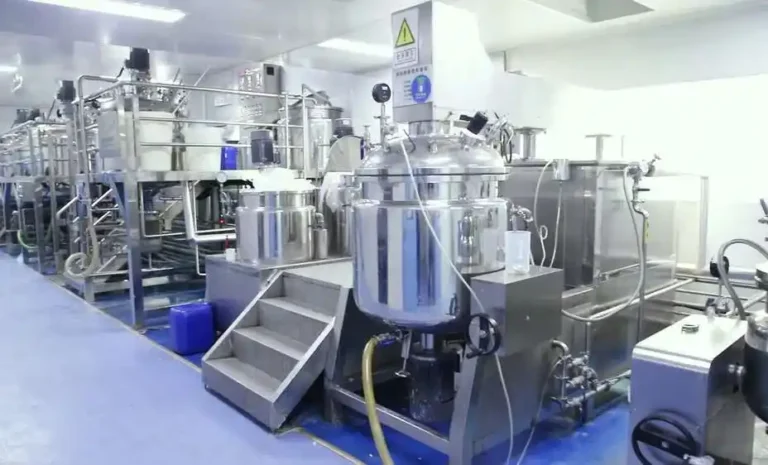
OEM/ODM fragrance oil manufacturing
When you launch scent products, speed matters. So does MOQ. So does re-order stability.
I’SCENT’s model is built around commercial reality:
20+ senior perfumers
40,000+ formula library
custom creation + scent replication (up to 98% match accuracy)
fast sampling (1–3 days) and fast production (3–7 days)
low MOQ for many items (and higher MOQ for fully custom projects)
IFRA / ISO / GMP / Halal certifications
ERP traceability for batch control
That’s why it works across verticals: personal care, cosmetics, fine fragrance, air care, home care, hotel amenities, cleaning products, and more.
Our team of 20+ senior perfumers leverages a vast library of 40,000+ formulas to deliver expert customization and scent replication with up to 98% accuracy. As premier perfume oil manufacturers, we bring your most complex fragrance concepts to life with precision.
Industry-Leading Speed
We empower your business with industry-leading speed. Samples are ready in just 1-3 days, mass production takes only 3-7 days, and our low 5kg MOQ allows you to test the market quickly and without risk, solidifying our role as agile fragrance oil suppliers.
Certified Quality & System Assurance
Our quality is built on trust and technology. We are fully certified with IFRA, ISO, GMP, and Halal, and our advanced ERP system guarantees complete traceability and batch-to-batch consistency, making us your reliable perfume raw materials supplier.