You’re making a product. Maybe it’s a luxurious candle, a new line of body wash, or a high-end perfume. The scent is the soul of that product. But you hit the first big crossroads: Do you go for natural oils, full synthetics, or a smart hybrid?
This choice isn’t about feeling good. It’s a critical business decision that affects your cost, your product stability, and, most importantly, your consumer marketing story.
As a leading OEM/ODM Fragrance Oil & Perfume Raw Materials Manufacturer, we’ve guided hundreds of clients—from huge Cosmetic Manufacturers to niche Aromatherapy Brands—through this exact question. We want you to understand the commercial reality.
Strategic Choice 1: The Case for Natural Authenticity
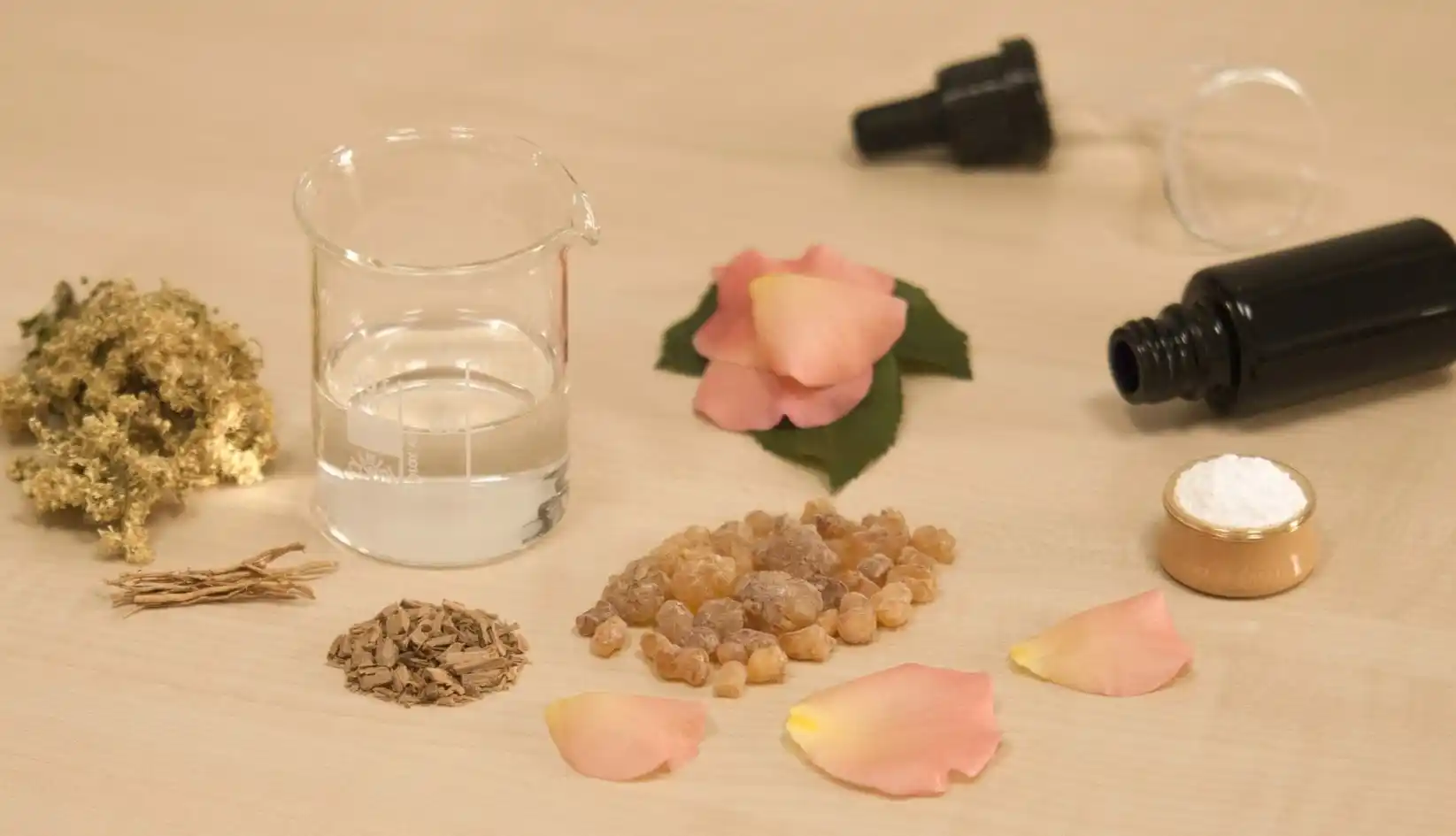
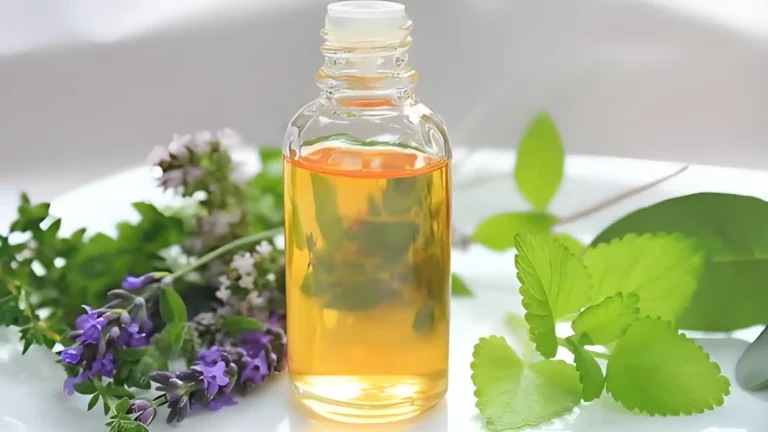
Natural oils, like pure essential oils and absolutes, come directly from plant material. They carry a powerful marketing narrative. When you put “Made with Essential Oils” on a Personal Care product, you are tapping into a consumer demand for transparency and perceived wellness benefits.
The Client Pain Point: Trust and Transparency
Modern consumers don’t trust ingredients they can’t pronounce. They prefer what they see as “clean label” ingredients. This is why natural oils are the only option for many Health and Wellness products and Spa Centers.
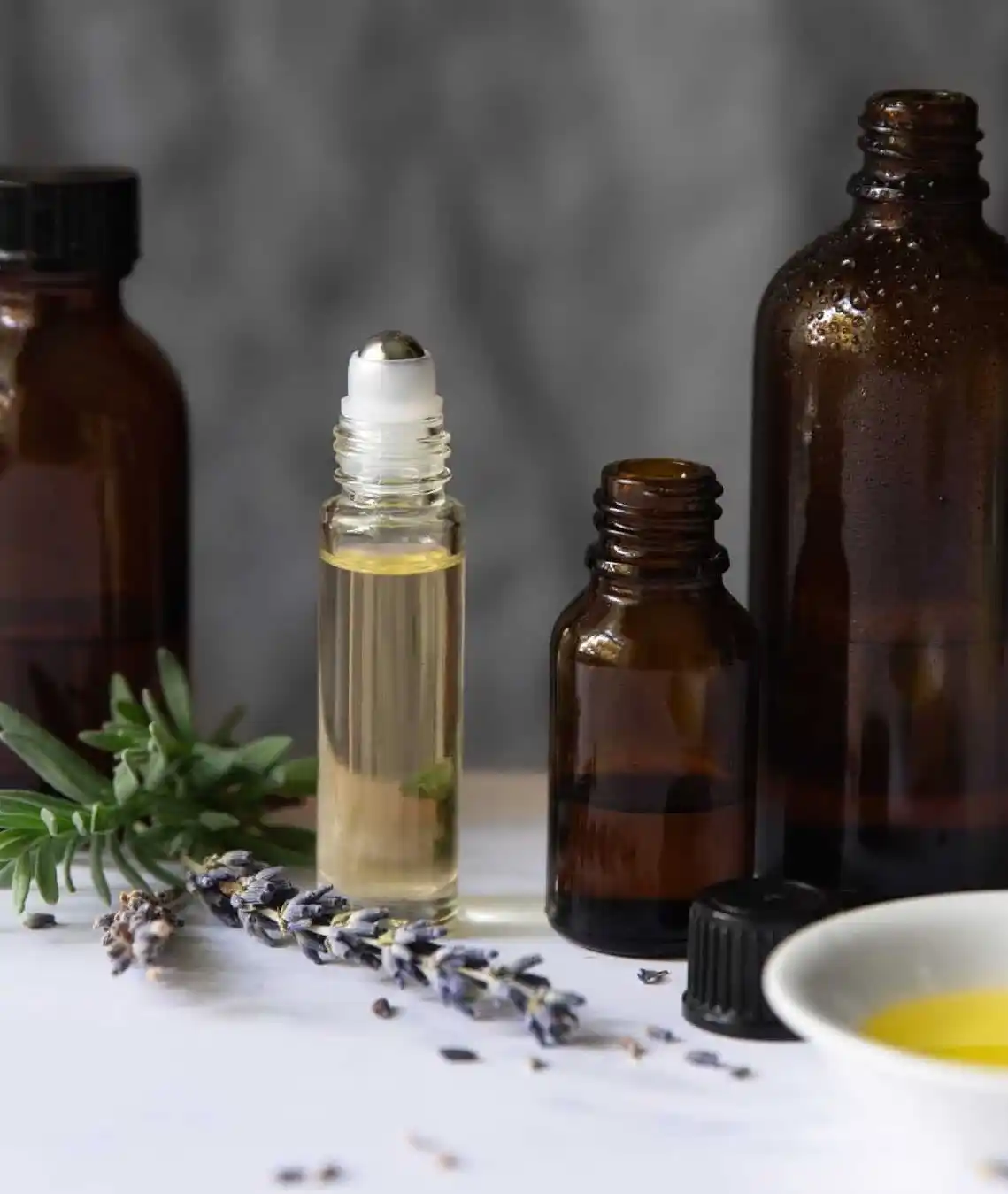
Aromatherapy Applications: Research consistently shows specific natural components—like linalool in lavender or limonene in citrus—have measurable physiological effects. You can market genuine aromatherapy benefits.
However, a natural oil is just a chemical cocktail made by a plant. It doesn’t mean it’s gentle. It simply means the plant did the chemistry instead of a lab.
Strategic Choice 2: The Need for Synthetic Stability and Innovation
You need a stable product that performs the same way in every bottle, whether it’s a Home Care cleaner or a Candle. Natural oils simply can’t handle the heat or the chemical environment of many product uses.
The Client Pain Point: Performance and Longevity
You can’t rely on a pure natural oil for scent throw in a candle or long-term smell in a high-pH soap base. The volatile molecules will break down or evaporate quickly. That meansyour expensive scent won’t last on the shelf, which is a massive product failure.
Synthetic Fragrance Oils (often called aroma chemicals) solve this problem. They are single, purified molecules that perfumers create to be stable, potent, and lasting.
Product Chemistry: For stability testing protocols (like UV exposure and heat cycling), synthetics are far more reliable. They let you design for a two-year shelf life without worrying about the scent fading.
Furthermore, you can’t make a scent like “fresh linen” or “ocean breeze” using only plant oils. You need synthetics for modern, abstract scent ideas. We use our massive library of over 40,000 formulas at I’Scent to help Perfume Manufacturers and Luxury Brands create truly unique, complex, and modern profiles. We do this because synthetic materials unlock unlimited scent versatility.
Strategic Choice 3: The Strategic Balance of Mixed-Base (Hybrid) Oils
This is where the professionals land most of the time. A hybrid oil (or mixed-base) gives you the best of both worlds. It allows you to leverage the natural marketing story while securing the synthetic performance you require.
The Client Pain Point: Cost, Compliance, and Consistency
Pure natural oils for products like Rose or Sandalwood are incredibly expensive. The cost is too high and the supply is too unstable for mass-market products. On the other hand, 100% synthetics might limityour clean-label marketing.
The Hybrid Solution:We create a cost-effective, high-performing oil by starting with a core of stable synthetic molecules and blending them with natural isolates. This is how you get a high-impact scent that is budget-friendly.
The blend also helps with safety. All oils—natural and synthetic—contain regulated allergens (like Linalool). A pure essential oil can have a very high, unregulated concentration of that allergen. We use synthetics and blends to precisely control the concentration, ensuring the final product is IFRA-compliant and safe for yourSkincare Brands and Hair Care customers. We want you to meet those IFRA Standards easily.
The Commercial Reality: Why Turnaround Time Matters
Choosing the right oil isn’t the end of the process. You need the scent fast. You can’t wait months for a sample. The time it takes from concept to bulk production directly impacts your cash flow and speed to market.
The I’Scent Advantage: Speed and Accuracy
We believe in accelerating your business. You need an OEM/ODM partner who treats speed as a core use case.
Rapid Sampling:We complete samples in just 1-3 days. This lets you test quickly and move the project forward.
Fast Production:We offer mass production in 3-7 days. That’s industry-leading speed.
Low Barrier to Entry:We set a low MOQ of 5kg for stock fragrances, with custom scents starting at 25kg. This helps smaller Perfume Retailers and Soap Manufacturers launch products without huge up-front costs.
We do this because we have over 20 senior perfumers and a 40,000+ formula library. We matchyour target scent with 98% accuracy because we have the systems and expertise to manage complex projects. You are choosing a partner who has the resources to make your project a success, fast.
Strategic Summary: Making the Right Choice
The decision between natural, synthetic, and hybrid oils is a puzzle. You must balance the marketing story with the chemical reality of your product base.
We put the key considerations into a clear table so you can see the trade-offs:
Main Argument: Strategic Choice
Client Pain Point Solved
Oil Type / Use
Source & Credibility
Authenticity and Consumer Trust
“Dirty” Ingredient Perception. Modern consumers demand transparent, plant-derived ingredients for personal care and wellness products.
Natural Fragrance Oils. Provides genuine aromatherapy benefits and the strongest “clean label” marketing narrative.
Aromatherapy Science: Research consistently links specific natural compounds (e.g., in lavender, citrus) to measurable physiological effects.
Scent Longevity and Stability
Natural Scent Instability. Essential oils often evaporate quickly or break down in hostile product scenarios (high heat, high/low pH).
Synthetic Fragrance Oils. Offers superior scent throw, stability, and longevity, making them necessary for products like candles, soaps, and certain detergents.
Product Chemistry Benchmarks: Stability testing protocols prove synthetics are far more reliable for long-term shelf life, vital for Air Care Companies.
Cost and Scalability
Prohibitive Ingredient Cost. Many rare or low-yield natural oils (Rose, Sandalwood) are too expensive or difficult to source consistently for mass-market production.
Mixed-Base or Synthetic Oils. Allows for the creation of complex, high-impact scents at a manageable price. This enables scalable, consistent production for large Beverage Manufacturers.
Global Commodity Data: Pricing volatility in agricultural markets directly affects natural oil costs, making consistent profit margin difficult to predict.
Safety and Regulatory Compliance
Allergen Labeling Risk. 100% natural oils contain high, unregulated concentrations of specific allergens (like citral, limonene, linalool).
IFRA-Compliant Synthetics/Blends. Allows perfumers to precisely control allergen levels, minimizing labeling burden and maximizing consumer safety for Food and Drink Makers.
IFRA Standards: The International Fragrance Association strictly limits the concentration of both natural and synthetic allergens to protect the consumer.
Scent Innovation and Versatility
Limited Palette. Natural oils don’t allow for many modern or abstract scent uses (e.g., “fresh rain,” “new car”).
Synthetic/Hybrid Technology.You can create any scent profile imaginable, allowing your product to stand out in a crowded market.
Perfumery Industry Trend: Modern, award-winning perfumes almost always rely on a blend of natural isolates and innovative aroma chemicals.
You need a partner who understands this balance. You should choose a manufacturer like I’Scent. We provide the expertise, the speed, and the Halal, GMP, and ISO certifications you need to succeed globally. You get total peace of mind because we track every batch with an advanced ERP system, ensuring high consistency. We make the right scent choice for your brand and your budget. Don’t guess.
Our team of 20+ senior perfumers leverages a vast library of 40,000+ formulas to deliver expert customization and scent replication with up to 98% accuracy. As premier perfume oil manufacturers, we bring your most complex fragrance concepts to life with precision.
Industry-Leading Speed
We empower your business with industry-leading speed. Samples are ready in just 1-3 days, mass production takes only 3-7 days, and our low 5kg MOQ allows you to test the market quickly and without risk, solidifying our role as agile fragrance oil suppliers.
Certified Quality & System Assurance
Our quality is built on trust and technology. We are fully certified with IFRA, ISO, GMP, and Halal, and our advanced ERP system guarantees complete traceability and batch-to-batch consistency, making us your reliable perfume raw materials supplier.