If you’ve ever walked past a café and felt your mood change before you even ordered, you already get the power of scent. Brands get it too. That’s why more teams now treat fragrance like a bridge—from coffee to shampoo, from runway to body wash, from dessert to candles.
This isn’t about “cute collabs.” It’s about memory, habit, and conversion. And if you want it to work in the real world, you’ve gotta make the scent survive different bases, different regulations, and different customer expectations. That’s where most launches fall apart.
Below are real, public collab patterns you can learn from, plus a practical way to build your own lineup with I’Scent.
Native x Dunkin’ collaboration
Native and Dunkin’ pushed donut-inspired scent profiles into personal care. The big move wasn’t the brand name. It was the translation: they turned a food-memory smell into formats people use every day.
What this case teaches
Borrow a smell people already recognize. Donut + coffee notes trigger fast recall.
Ship the same scent idea across multiple formats. That’s how you turn “one drop” into a routine.
The ops reality (where brands win or lose)
A deodorant base doesn’t behave like a body wash base. If your perfumer doesn’t tune the formula, the scent can go sharp, thin, or “chemical-ish.” Customers won’t say that politely. They’ll just bounce.
Dove x Chamberlain Coffee Plant Milk Cleansing Collection
Dove and Chamberlain Coffee leaned into a simple truth: coffee is a daily habit, shower is a daily habit. They connected those rituals with a treat-style scent story and real-world activation.
What this case teaches
Habits beat hype. You don’t need people to “care about fragrance.” You need them to repeat a ritual.
Cross-sense moments stick. When a scent reminds you of a drink, it feels more real than a poster ever will.
And yeah—this is basically “brand world you can touch.” It’s not complicated. It’s just executed well.
Milk Bar x Bath & Body Works
Milk Bar and Bath & Body Works leaned into dessert-coded comfort. That sounds fluffy, but it’s actually smart packaging for the brain: dessert notes are easy to explain, easy to gift, and easy to re-buy.
What this case teaches
Menu language sells. “Cake / sprinkle / vanilla” is more shareable than technical perfumery talk.
One vibe, more touchpoints. Home scent + body scent = the same story in more scenes.
If you’re chasing LTV, this is a clean play: make it easy for customers to “collect” the scent across their day.
Maison Margiela pop-up cafe
Maison Margiela used a café pop-up concept to turn fragrance into an experience. People don’t just sample. They hang out. They take pics. They connect smell with a place and a taste.
What this case teaches
Turn a launch into a location. A café is basically an experience container.
Taste + scent = faster memory lock. It’s hard to forget a smell when you paired it with a drink moment.
Nina Ricci Nina Illusion Café
Nina Ricci built an experiential café around a fragrance launch with signature drinks and share-friendly elements. It’s fashion-branded immersion, done in a way that’s easy for the public to “get” in 5 seconds.
What this case teaches
Make the brand world walkable. If the space looks like the bottle smells, you’ve got content for free.
Travel retail works because people have time, they’re already browsing, and they’re open to treats. A themed café inside that flow turns fragrance into a stop, not an ad.
What this case teaches
Use “in-between time.” Airports, malls, pop-ups—places where attention is available.
Tie scent to a journey. That’s the real emotional hook.
Multi-sensory marketing
Here’s the through-line: these collabs don’t rely on one channel. They stack senses.
Visual world (fashion codes, packaging, space design)
Smell (the product itself)
Taste (café tie-ins, dessert cues)
Touch (sampling, personalization, merch)
When those cues line up, people remember the brand without trying. When they don’t line up, people feel the mismatch fast. Like, fast.
Scent congruence
This is the rule nobody can skip: the scent must fit the place and the product.
A donut scent works with a donut brand. A laundry scent works when it still reads “clean.” If your “coffee” note turns sour in shampoo, you don’t have a vibe. You have a returns problem.
Quick congruence checks teams actually use:
Does it match the brand’s tone (playful, luxe, minimal)?
Does it match the setting (café, bathroom, runway, hotel)?
Does it stay pleasant in the base (surfactants, wax, high pH cleaners)?
If any answer is “kinda…?”, fix it before you launch. Please.
Daily rituals
The best collaborations aren’t one-time stunts. They hijack habits:
morning coffee
shower routine
hand soap at the sink
laundry day
home diffuser at night
That’s the real media buy: frequency. No extra ad spend required.
One scent in multiple SKUs
This is where brands quietly print money (and where weak suppliers get exposed).
A cross-category collab works best when you build a scent system:
Faster trial because the smell story is instantly understood
Dove x Chamberlain Coffee
Coffee ritual ↔ shower ritual
Habit stacking + “treat” positioning
Higher repeat exposure through routine, not ads
Milk Bar x Bath & Body Works
Dessert → body + home
Menu-like naming, giftable scents
Bigger basket size across scenes (body + home)
Maison Margiela pop-up cafe
Fashion fragrance → café
Place-based sampling + drink tie-in
Turns launch into content + footfall
Nina Ricci Nina Illusion Café
Fashion fragrance → café
Visual world + personalization moments
Social sharing + emotional attachment
Miss Dior Café at Changi Airport
Travel retail → café
Journey-based discovery
Captures attention where people already browse
What brands mess up: base compatibility, stability, and batch consistency
This is the part influencers don’t talk about.
A scent that’s perfect on a blotter can die in:
high surfactant load (shampoo, body wash)
high pH formulas (cleaners)
hot wax burn (candles)
long storage (color shift, separation, off-notes)
If you’re running cross-category, you need a supplier who can do performance tuning, not just “nice smell.”
IFRA compliance, traceability, and fast sampling
Cross-category collabs move fast, but paperwork still hits you. You’ll want:
IFRA-aligned formulas for the right end-use category
SDS / COA ready for manufacturing and export
batch traceability so you don’t get random drift between lots
I’Scent is built for this kind of work. We’re an OEM/ODM fragrance oil and perfume raw materials manufacturer, and we support custom development and fragrance duplication with a large formula library (40,000+), a team of 20+ perfumers, and high replication accuracy (up to 98%). We also run with IFRA, ISO, GMP, and Halal compliance, plus an ERP system for full traceability and strong batch-to-batch consistency.
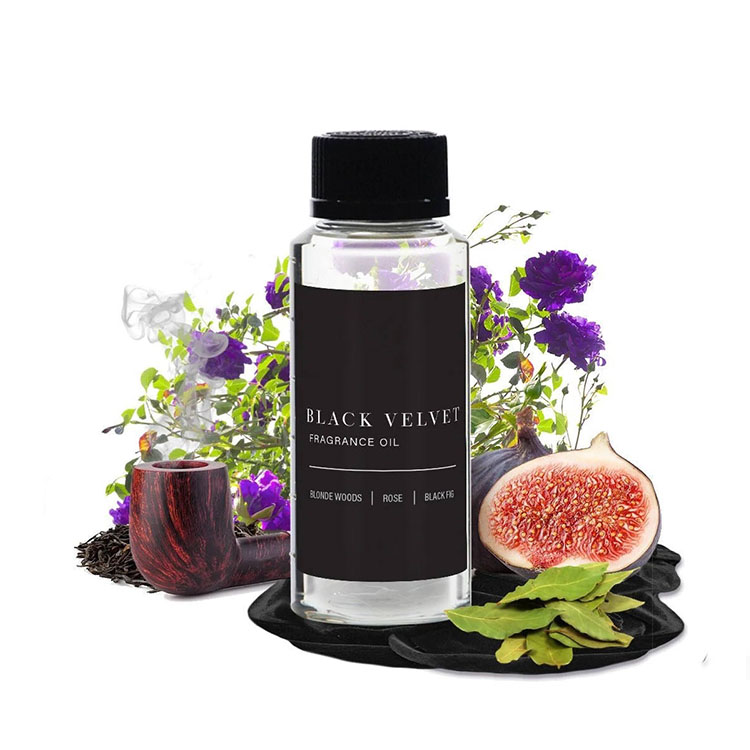
And if you want to browse categories fast: Fragrance Oils
Why this matters to your launch calendar
Speed is a competitive edge in collabs. Sampling in 1–3 days and production in 3–7 days can keep you inside the hype window instead of missing it. Low MOQs help too, because you can test without overcommitting.
(And yeah, sometimes briefs change mid-way. It happen. Fast iteration saves you.)
A usable brief template for your next collab
Here’s what you tell your fragrance partner so you don’t waste 3 weeks on vague feedback:
Scenes: body wash + deodorant + candle + detergent (pick what fits)
Performance asks: stability, throw, base fit, malodor control
Compliance: IFRA category + export docs required
This is how you make a cross-category scent collab feel intentional, not messy.
Closing: make the scent travel
Cross-category collaborations work when they do two things:
they plug into real habits, and
they keep the scent DNA consistent across scenes.
If you already have a smell people love, don’t trap it in one product. Let it move—from café mood to bathroom routine to home air. That’s how you build recall, retention, and a brand that feels like a world.
And if you need a team to turn that scent concept into a production-ready system—personal care, home care, air care, fine fragrance—then I’Scent is the kind of partner you want in your corner. Not loud. Just reliable, fast, and seriously dialed-in.
Our team of 20+ senior perfumers leverages a vast library of 40,000+ formulas to deliver expert customization and scent replication with up to 98% accuracy. As premier perfume oil manufacturers, we bring your most complex fragrance concepts to life with precision.
Industry-Leading Speed
We empower your business with industry-leading speed. Samples are ready in just 1-3 days, mass production takes only 3-7 days, and our low 5kg MOQ allows you to test the market quickly and without risk, solidifying our role as agile fragrance oil suppliers.
Certified Quality & System Assurance
Our quality is built on trust and technology. We are fully certified with IFRA, ISO, GMP, and Halal, and our advanced ERP system guarantees complete traceability and batch-to-batch consistency, making us your reliable perfume raw materials supplier.