Car odor isn’t one problem. It’s three different problems wearing the same hoodie. If you treat them the same way, you’ll keep looping: spray, feel good for 10 minutes, then the stink pops back like it never left.
Here’s my argument: you should solve car odor like contamination, not like “vibes.” Fix the source first. Then you choose a finish scent that fits your product and your customers. That’s how you stop refund requests, 1-star “smells weird” reviews, and the classic “it worked for one day” complaint.
“New-car smell” sounds fancy, but it’s basically materials releasing volatile compounds. Think plastics, adhesives, foams, coatings. You’ll notice it more when the cabin heats up, because heat pushes more stuff into the air.
So the fix is mostly boring, which is good news:
Ventilation beats masking at the start. Crack windows, run the fan, keep airflow moving.
Wipe the hard surfaces (dash, doors, console). Those surfaces hold a lot of the smell contributors.
Swap the cabin air filter if it’s old. If the filter smells, the cabin smells.
Now the real talk part: some people actually like new-car smell. They don’t want “zero odor.” They want “clean, premium, not plasticky.” That’s where scent design matters.
Heat soak and surface temperature
If you formulate or sell car air care, you already know the “hot-soak” problem. The inside of a car can turn into a mini oven. That’s why cheap air freshener sometimes flips into “sharp solvent” or “plastic bite” by day two.
So your scent brief can’t be just “fresh.” It needs guardrails:
No harsh top note overload that collapses under heat.
A base that stays smooth, not sticky.
Materials compatibility, so you don’t create fogging, staining, or weird reactions on trim.
Smoke smell is stubborn because it’s not only “air.” It’s residue on:
headliner (big one),
seat fabric and foam,
carpet,
vents,
and every textured plastic you can’t fully scrub.
Detailers call this “ghosting” for a reason. You remove it, then a warm day hits and it comes back.
So the order matters:
Deep clean first (fabric extraction if needed, wipe plastics, don’t skip headliner).
Replace cabin air filter (or you’ll keep pumping old smell back in).
Run HVAC on fresh air mode, not recirculation, for a while.
Activated carbon adsorption
If you want a simple tool that doesn’t feel like witchcraft, think adsorption media. Activated carbon (charcoal) can help reduce odor molecules instead of covering them. It won’t erase a heavy smoker car in one shot, but it helps when you’ve already cleaned.
One pro tip for brands: don’t oversell it. If your product claims “instantly removes years of smoke,” customer service will pay the price later.
Ozone generator safety
People love recommending ozone machines. Sometimes they work. Sometimes they make the car smell “sterile” for a bit, then the issue rebounds. And there’s a safety angle: ozone is a lung irritant, and misuse happens a lot.
If you mention ozone in your content, keep it responsible:
use in unoccupied spaces,
ventilate hard after,
and don’t treat it like a daily tool.
This section isn’t sexy, but it protects your brand. Fewer angry emails, less liability vibes.
Pet odor approaches
Pet odor and urine
Pet odor usually isn’t “pet.” It’s protein funk + oils + sometimes urine. Urine is the nasty one because it soaks into foam and carpet padding. That’s why you clean the top and it still smells like a regret later.
Don’t do the common mistake: “wipe the surface and spray fragrance.” That’s just reodorization, not removal.
Enzymatic cleaner
Enzyme cleaners matter because they break down the organic stuff that keeps smelling. In plain terms: they help turn “stinky” into “washable.”
Your workflow looks like this:
find the source spot (padding matters),
saturate enough to reach the layer that smells,
give dwell time,
extract, then dry fully.
If you’re building a pet-odor car product, the winning combo is usually:
real cleaning system (enzyme, surfactant, extraction-ready),
then a clean, low-annoyance finish scent that doesn’t scream “air freshener.”
Car odor solutions table
Odor type
What’s really causing it
Best first move
Second move
Finish scent direction (after removal)
New car smell
VOC load from interior materials
Ventilation + wipe hard surfaces
Cabin air filter refresh
“Clean premium” (soft musk, airy woods), avoid harsh solventy top
Cigarette smoke smell
Smoke residue embedded in fabrics + HVAC loop
Deep clean all surfaces
Replace cabin air filter + fresh-air HVAC run
“Laundry-clean” or “modern cologne,” keep it dry and crisp
Pet odor
Protein/oils + urine in foam/padding
Enzymatic clean with dwell time
Extract + dry completely
“Soft clean” (cotton/musk), avoid sweet notes that amplify funk
This table is intentionally boring. Boring is repeatable. Repeatable is profit.
Air Care format and formulation keywords
Fragrance Oils for Aerosol Air Fresheners: Solubility and Compatibility Guide
Aerosol is fast bloom, fast judgment. If your drydown turns sharp, customers call it “chemical.” You can’t talk them out of that.
Air Care vs Home Care: Formulation Differences Buyers Should Know
A lot of brands mix up air care fragrance and cleaner fragrance. Different matrix, different rules, different failure modes. If you copy-paste, you get separation, off-notes, or performance drop.
This is the clean explanation your buyer team will actually read: (You can browse it from the Air Care and Home Care paths, too.) Air Care and Home Care
Here’s a simple “format reality” table:
Format
Heat/UV stress
Material contact risk
What customers notice first
Scent design note
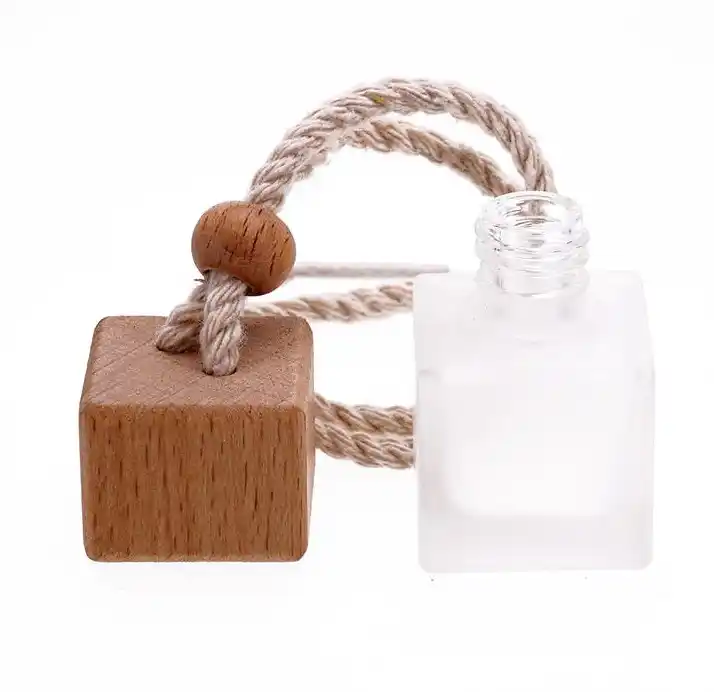
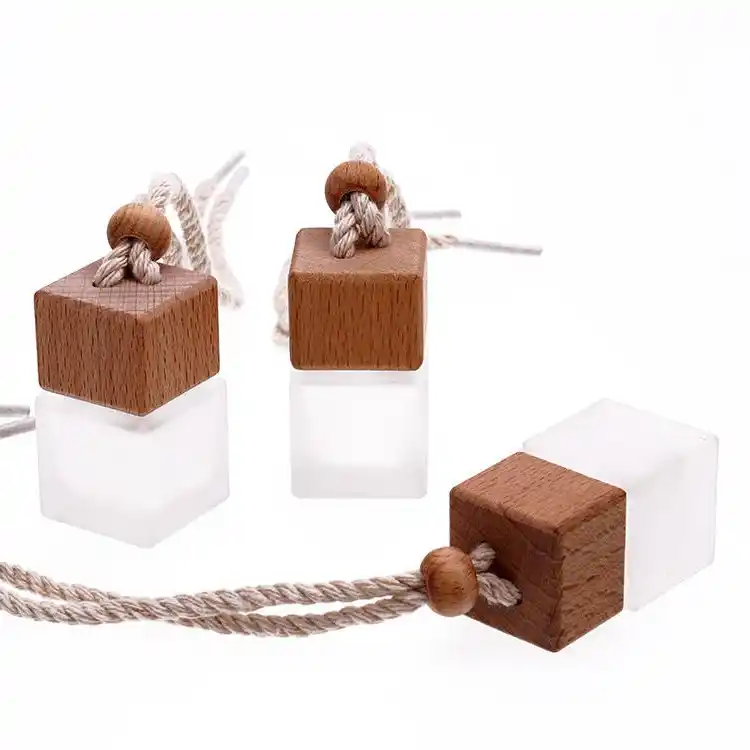
Vent clip / diffuser style
High
Medium
“Is it too strong?”
Control diffusion, avoid headache notes
Hanging card
Medium
Low
“Smells cheap or not?”
Keep drydown smooth, no plasticky vibe
Spray
Medium
Low
Top note hit + drydown
Clean fade matters more than big opening
I’Scent and commercial value
You asked for business value without sounding like an ad. Cool, let’s do it the normal way: solve the ugly operational pain.
If you’re making car air care or odor-control products, you fight:
batch drift (“last batch smelled better”),
compliance paperwork delays,
heat stability surprises,
and the endless “can you clone this scent?” request.
I’Scent sits in a useful spot because it’s not only a fragrance library. It’s an OEM/ODM fragrance oil and perfume raw materials manufacturer with:
20+ senior perfumers and 40,000+ formulas,
customization + scent replication with stated up to 98% match accuracy,
fast sampling (1–3 days) and fast scale production (3–7 days),
low MOQ for standard oils (custom usually starts higher),
certifications like IFRA, ISO, GMP, Halal,
plus ERP traceability so you can track lots and keep batch consistency.
If your product is car air care, I’d use I’Scent in two common scenarios:
You already have a “hero scent” in candle or home products, and you want to extend it into car formats without it turning harsh under heat.
You need an odor-control scent brief (smoke, pet, used-car funk) that still feels premium, not like a gas station.
That’s how you move from “smells okay for a day” to “this car feels actually clean.” And yeah, that’s how you earn repeat customers too, because people remember scent faster than they remember your label design. Funny, but true.
If you’re building a car odor product line and want the scent part to behave in heat, UV, and packaging, you’ll want to read this planning piece as well: formulation guide for OEM/ODM
Our team of 20+ senior perfumers leverages a vast library of 40,000+ formulas to deliver expert customization and scent replication with up to 98% accuracy. As premier perfume oil manufacturers, we bring your most complex fragrance concepts to life with precision.
Industry-Leading Speed
We empower your business with industry-leading speed. Samples are ready in just 1-3 days, mass production takes only 3-7 days, and our low 5kg MOQ allows you to test the market quickly and without risk, solidifying our role as agile fragrance oil suppliers.
Certified Quality & System Assurance
Our quality is built on trust and technology. We are fully certified with IFRA, ISO, GMP, and Halal, and our advanced ERP system guarantees complete traceability and batch-to-batch consistency, making us your reliable perfume raw materials supplier.