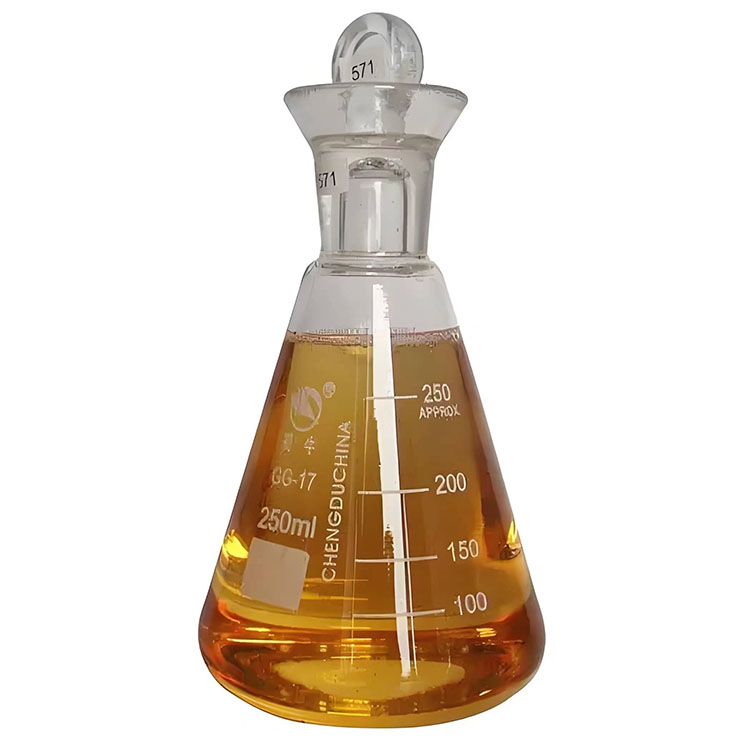
Application of Fragrance Oils in Home Cleaning Products
Fragrance in cleaners is not decoration. It shapes the consumer’s idea of “clean,” affects repeat purchase, and can also trigger stability failures, VOC headaches, labeling issues, and needless cost. Here is the blunt version of what works.
I have watched too many cleaning brands treat scent like frosting, when in reality fragrance is doing three jobs at once: signaling hygiene, covering base odor, and creating a memory that makes a buyer reach for the same bottle again instead of the cheaper one sitting beside it. Why do smart teams still act surprised when the perfume brief ends up driving the margin story?
On the product side, the logic is obvious. A solid home care fragrance oils program is built for detergents, softeners, and cleaners that have to survive harsh chemistry, while the site’s page on fragrance oils for laundry detergent and softener manufacturers makes the commercial point clearly: laundry and home-care scent is sold by application, not by fantasy. That is the right framing, and I wish more suppliers were this direct.
Here is my unpopular view. Most “clean scent” briefs are lazy.
They usually ask for fresh, premium, natural, long-lasting, and low-cost in one breath, then collapse the minute surfactants, alkalinity, oxidizing conditions, or packaging stress start doing what chemistry always does. The site’s piece on low-VOC scent design for eco cleaning brands gets this right: “clean” is an impression, not a raw material, and that difference matters when you are building a sellable formula instead of a mood board.
Table of Contents
Where fragrance oils actually earn their keep
Laundry is the volume game
In laundry detergent and fabric softener, fragrance oils are not there to smell expensive for five seconds. They need to survive dilution, heat, rinse cycles, fabric deposition, and the consumer’s expectation that “fresh” will still be there when the shirt comes out of the closet two days later. That is why laundry detergent fragrance oil is usually built around controlled freshness, soft musk effects, and a dry-down that reads clean rather than perfumey. I have seen brands lose repeat purchase because the top note was flashy but the fabric memory was dead on Day 2.
Surface cleaners are exposure products
A surface cleaner fragrance oil sits in a harsher spotlight. Spray cleaners, especially multipurpose formats, have to handle exposure route, allergen traceability, VOC pressure, and packaging compatibility long before anyone argues about whether the scent should lean lemon, linen, or herbal. That is exactly why the site’s multi-surface spray fragrance IFRA and VOC checklist is one of the best internal links for this topic: it forces the right questions first.
Dish and rinse-off formats need restraint
This is where amateurs get exposed. They overload bright citrus, think “more clean” equals “more fragrance,” and then wonder why the formula smells thin, sharp, or chemically hollow after use. I do not buy that strategy. A better surface cleaner fragrance oil uses less drama, tighter top-note control, and a base that leaves the impression of a rinsed surface, not a cheap room spray.
The chemistry bill always arrives
Pretty samples lie.
A fragrance can smell fantastic on a strip and still fail in-market because time, light, and temperature are not polite. The site’s fragrance stability test plan is right to hammer temperature cycling, light exposure, haze, odor drift, and packaging interaction; those are not lab-theater details, they are the exact places where customer complaints are born.
And the air chemistry problem is worse than many marketers admit. According to the California Air Resources Board, a CARB-funded study found that 12 of 21 tested cleaning and air-freshening products contained terpenes or other VOCs that react with ozone, with terpenes ranging from 0.2% to 26% of the product; those reactions generated formaldehyde (CH2O) and ultrafine particles under elevated ozone conditions. So yes, limonene-heavy “freshness” can become a technical liability, not just a scent choice.
I have seen this firsthand in briefs built around citrus sparkle. Limonene, C10H16, gives that instant “just cleaned” cue, but if the base, air, and packaging are wrong, the smell you approved is not the smell the consumer gets two weeks later. The site’s off-odor and re-odor deodorizing approaches says it bluntly: oxidation writes a second formula. That line is dead right.
VOC pressure, hand contact, package stress, fast evaporation
Sharp opening then chemical hollowness
Reduce flashy citrus and tighten the accord
Dishwashing liquid
Bright cleanliness, low residue impression
Water exposure, grease, rinse behavior, bottle stability
Sour top note or plastic-cap taint
Use cleaner citrus architecture and test cap interaction
Bathroom cleaner
Strong hygiene signal
Aggressive base odor, acids/alkali, heavy-use environment
Medicinal or stale re-odor
Fix the base first, then add deodorizing support
This is the hard truth. Fragrance cannot repair broken chemistry.
Compliance is not paperwork theater
The U.S. EPA does not treat fragrance like an afterthought in safer cleaning formulas, and neither should you. In its Safer Choice Criteria for Fragrances, EPA says listed carcinogens, mutagens, reproductive or developmental toxicants, PBTs, and respiratory sensitizers are not allowed in Safer Choice-certified products, and dermal sensitizers must be disclosed. Then, in September 2024, EPA moved acceptable fragrances out of the general Safer Chemical Ingredients List into a dedicated Fragrance Palette, which tells you exactly where scrutiny is heading.
California went further years ago, and the market still has not fully absorbed it. Under California’s Cleaning Product Right to Know Act, fragrance allergens tied to Annex III and the EU Detergents Regulation must be disclosed in designated products when present at or above 0.01% or 100 ppm, and the law explicitly covers general cleaning products, air-care products, and other chemically formulated consumer goods. That is not a niche compliance issue. That is the shelf.
The industry pressure is not only about toxicology. It is also about money and market power. Reuters reported on February 24, 2025, that four major fragrance makers had to face U.S. lawsuits alleging price-fixing in ingredients used in cosmetics, cleaners, and other household products, with plaintiffs pegging fragrance-ingredient sales at $9.1 billion in 2022. When a supply chain is that concentrated, buyers who ignore documentation and sourcing leverage are asking to be outplayed.
And regulators are still pulling products. On December 23, 2025, the UK’s Office for Product Safety and Standards published a report on Embark My Freedom and My Story perfumes, saying they presented a serious chemical risk because they contained butylphenyl methylpropional, or BMHCA/lilial, a prohibited substance under Regulation (EC) 1223/2009; the corrective action was destruction of the product. Different category, same lesson: fragrance composition is not a decorative choice once regulators get involved.
What professionals do differently
They ask earlier.
I do not approve fragrance oils for cleaning products until I know the intended use, the dose range, the VOC exposure risk, the expected shelf life, the packaging, and the target market. Anything less is just retail cosplay.
So what is the best fragrance oils for cleaning products question really asking? Not “Which scent profile is pretty?” The real question is: which fragrance survives the base, the law, the package, the climate, and the consumer’s nose without wrecking cost or claims? That is the adult version of the topic.
FAQs
What are fragrance oils for cleaning products?
Fragrance oils for cleaning products are concentrated scent systems, usually made from aroma chemicals, carriers, stabilizers, and sometimes natural isolates, that are added at controlled levels to detergents, sprays, dish liquids, and softeners so the product smells clean, masks base odor, and stays stable during storage and use. They work best when selected by application, not by strip-smell alone. Home-care products impose harsh chemical conditions, and EPA and California rules now make documentation part of the buying decision, not an optional extra.
How to use fragrance oils in cleaning products?
To use fragrance oils in cleaning products, you first match the fragrance to the exact format, base chemistry, packaging, and target market, then test it at realistic dose levels for stability, odor performance, VOC impact, and document fit before scaling production or making claims on-pack. I do not recommend adding fragrance by feel. The better path is to test for light, heat, temperature swings, haze, odor drift, and package interaction, especially in sprays and cleaners that face repeated consumer exposure.
What fragrance oils are best for homemade cleaning products?
The best fragrance oils for homemade cleaning products are low-drama, low-dose, application-aware scents that stay stable in the actual cleaner base, avoid obvious oxidation trouble, and do not lean too hard on terpene-heavy citrus or medicinal notes unless you understand the exposure, labeling, and air-reaction consequences. Homemade does not mean consequence-free. CARB’s indoor-air guidance on terpene reactions and EPA’s fragrance criteria both point to the same lesson: clean-smelling is easy, clean-performing is harder.
Are scented cleaning products regulated more than brands admit?
Yes, scented cleaning products are regulated through ingredient disclosure, hazard communication, VOC limits, and safer-chemistry programs in ways many smaller brands still underestimate, especially when fragrance allergens, designated chemicals, or misleading “clean” claims collide with state law, retailer review, or certification standards. California’s disclosure law, EPA’s Safer Choice fragrance rules, and recent enforcement and recall activity show the same pattern: fragrance is now a technical and legal file, not just a marketing flourish.
Your next move
Start smaller.
If you are building a new cleaner, do not begin with “best scent.” Begin with product class, base chemistry, package, target market, and document stack. Then brief the fragrance. Then test it in the real formula. That order saves money.
Our team of 20+ senior perfumers leverages a vast library of 40,000+ formulas to deliver expert customization and scent replication with up to 98% accuracy. As premier perfume oil manufacturers, we bring your most complex fragrance concepts to life with precision.
Industry-Leading Speed
We empower your business with industry-leading speed. Samples are ready in just 1-3 days, mass production takes only 3-7 days, and our low 5kg MOQ allows you to test the market quickly and without risk, solidifying our role as agile fragrance oil suppliers.
Certified Quality & System Assurance
Our quality is built on trust and technology. We are fully certified with IFRA, ISO, GMP, and Halal, and our advanced ERP system guarantees complete traceability and batch-to-batch consistency, making us your reliable perfume raw materials supplier.